
- Key Takeaways
- Why Create a Custom Jewelry Heirloom?
- The Bespoke Creation Journey
- What Defines Heirloom Materials?
- The Unspoken Language of Design
- Beyond the Jeweler’s Bench
- Mass-Produced vs. Master-Crafted
- Conclusion
- Frequently Asked Questions
- What makes a jewelry piece an heirloom?
- How long does a bespoke jewelry process take?
- Which materials are best for heirloom-quality jewelry?
- Can I redesign an existing family piece?
- How do I ensure ethical and sustainable sourcing?
- Why choose a master jeweler over mass-produced options?
- How should I care for an heirloom piece?
Key Takeaways
- Custom jewelry heirlooms encapsulate family legends and achievements into a wearable piece that transmits the narrative through generations. Schedule significant engravings, birthstones, or icons that symbolize your family’s path.
- Unsurpassed craftsmanship and the finest materials guarantee longevity and timeless style. Choose rugged metals and hard gems, and insist on extensive quality inspections prior to shipping.
- Through collaborative, intentional design, this creates a piece that aligns with your lifestyle and values. Work through sketches, CAD, and mock-ups to finalize specifics such as settings, finishes, and inscriptions.
- Ethical sourcing reinforces the power of your heirloom and the integrity of its creation. Request recycled metals, conflict stones, and open provenance information.
- Think ahead so your heirloom can grow along with your family. Facilitate resizing, stone replacements, or upgrades and maintain records for appraisals and insurance.
- With loving care, a custom jewelry heirloom remains beautiful and valuable for many decades. Keep it clean and inspect it regularly, store it in protective cases, and arrange for professional maintenance as necessary.
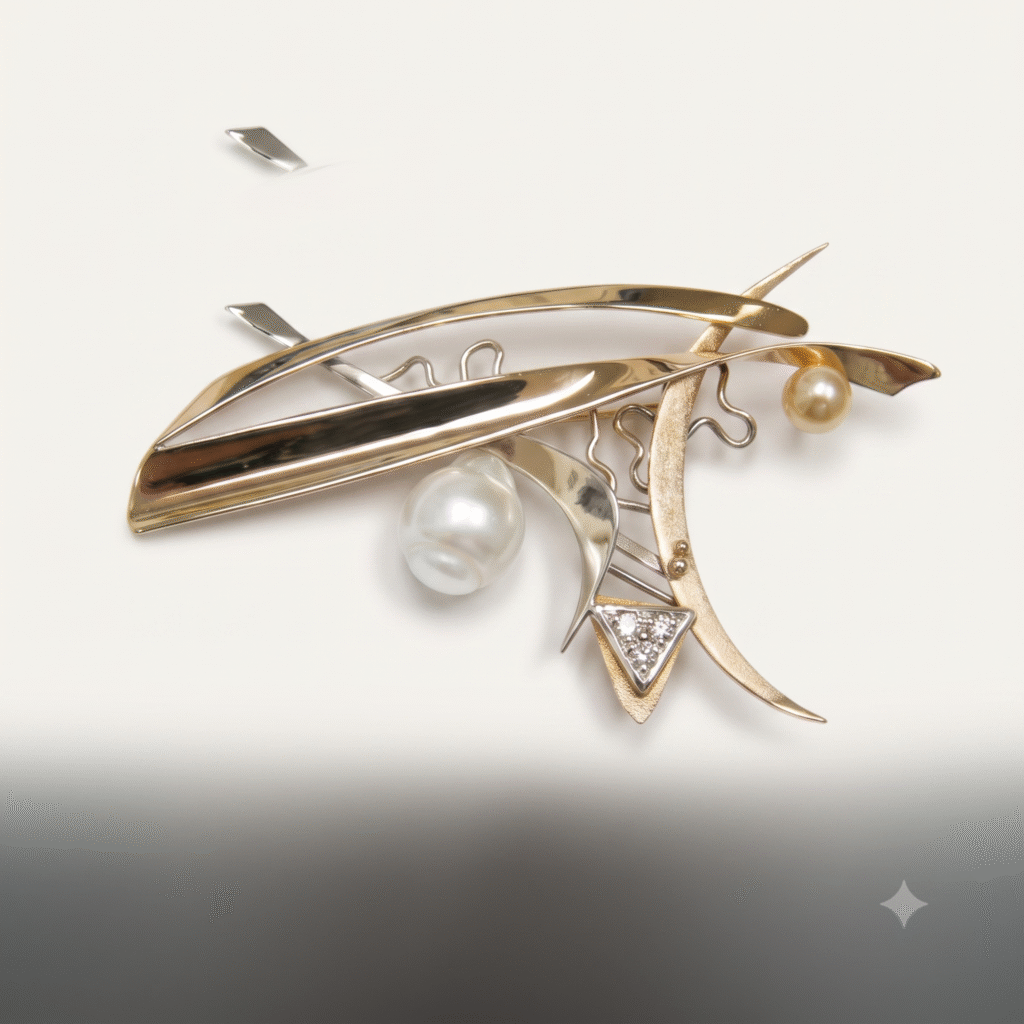
Custom jewelry heirloom refers to a one-of-a-kind piece designed to honor family history and pass down through generations. It frequently repurposes stones or metal from previous pieces, incorporates fresh design elements, and inscribes origin and dates for transparent provenance. Typical options are gold or platinum rings, pendants, bracelets, or brooches, featuring diamonds, sapphires, or birthstones. Most pieces commemorate milestones such as weddings, births, or cultural rites. Custom jewelry heirloom craft steps typically include design sketches, CAD render, wax model, and final setting and polishing. Care plans mention secure storage, mild cleansing, and repair regimens to maintain worth and wear life. To assist in planning a timeless piece, the following sections discuss design choices, price brackets, timelines, and maintenance advice.
Why Create a Custom Jewelry Heirloom?
Custom heirlooms transform milestones and family tales into a forever piece. They mean something, demonstrate beliefs, suit a lifestyle today, and remain timeless for generations.
1. A Personal Story
An heirloom custom made makes milestones intentional. A silver band etched with a date and a soft saying. A child’s birthstone set in a pendant. A map coordinate engraved on a bracelet from where two people met. Every detail references a genuine moment, not a fad.
Memories can come in the form of wearable art. Turn grandma’s ring into a low-profile bezel ring for everyday wear, or re-set a sapphire discovered on a trip into a contemporary necklace. Fuse two mini heirlooms, say, a brooch and a loose diamond, into one sleek, bold piece that reads fresh but grounded.
They span the generations. A signet with a family crest, a locket with initials, or a band with a repeating motif from a cultural pattern keeps traditions alive. The story is intimate and it’s transferable.
2. Unmatched Quality
Skilled jewelers handcraft custom work with care you can see and feel. Edges are smooth, prongs sit evenly, settings are secure, and the finish is crisp.
Quality metals and stones count. Opt for platinum or 18k gold for strength and patina and stones with trusted grades. Anticipate quality inspections on the design proof, wax or 3D model, stone setting, and last polish. There’s just something about the weight, the solid feel, and clean finish. It distinguishes it from items that are mass made.
3. Intentional Design
Collaborate directly with a designer to suit your taste and lifestyle, whether for everyday wear or special occasions only. Choose metals, stones, and settings that fit your lifestyle and preferences. Incorporate symbols, a family crest, or a motif from heritage art for added dimension. Keep it minimal for timeless wear, or select a bold shape that remains open and balanced.
4. Ethical Sourcing
Request recycled gold and conflict-free stones with traceable provenance for ethical sourcing. Make the piece resonate with family values so the legacy encompasses how it was created.
5. Future Potential
Think resizing, additional birthstones as the clan expands, or gemstone swaps when style shifts. Establish settings that support upgrades and maintain notes on measurements and origins. The design grows over years and the story keeps up.
The Bespoke Creation Journey
About: The Bespoke Creation Journey Anticipate organized workflows, complete openness, and consistent feedback from end to end, typically across weeks.
- Consultation and vision: Share ideas, symbols, and family history. Scan vintage pieces for refashioning or upcycling. Cover metals, gemstones, size, and wear requirements.
- Design development: Move from hand-drawn sketches to CAD and 3D renderings, then to wax or resin models.
- Material selection: Compare metals for durability and care. Choose gemstones and confirm sourcing.
- Pricing and timeline: Receive itemized quotes, options by budget, and a schedule. Custom work is typically eight to ten weeks from stone sourcing and up to twelve weeks post-design and gem lock.
- Craft: Skilled goldsmiths build, set and finish the piece using both classic and modern methods.
- Quality and delivery: Final checks confirm fit, finish and structural strength before handover.
The Consultation
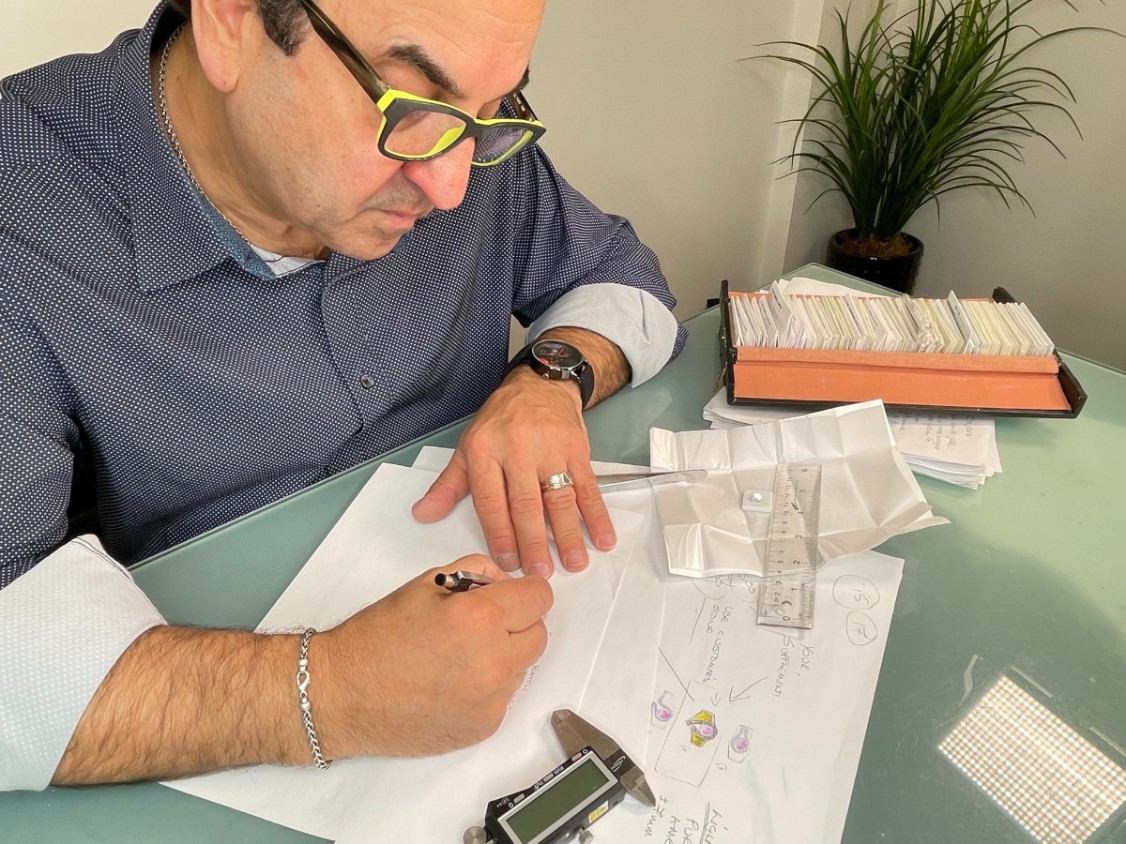
Bring heirlooms or old jewelry in for consideration. A tattered ring may be just a band. Loose stones from a brooch can be used to make stud earrings. When a piece is particularly sentimental, the jeweler can retain original hallmarks or etching.
Explore your metal options — platinum for maximum durability, 18k gold for an ideal combined strength and color, or 14k gold for active lifestyles. Consider gemstone hardness and care, diamond (10 Mohs) to sapphire (9 Mohs). Clarify timeline: bespoke projects take several weeks. Customized designs with stone sourcing are usually 8 to 10 weeks.
We’ll guide you on ring comfort, prong style for grip, and safe heights for stones. Receive a defined project roadmap with milestones and approvals.
The Design
Work through hand-drawn sketches to pin down form and feel. CAD and 3D renderings verify that curves, seats and profiles will translate from paper to metal precisely.
Go over stone layout, prong or bezel type, rail thickness and any engraving. Sign off on digital mock-ups and ask for alterations. The goal is beauty that wears well: smooth edges, balanced weight, and secure settings for daily use. Once you give us final sign-off and gemstone confirmation, it can take us up to 12 weeks to produce.
The Craftsmanship
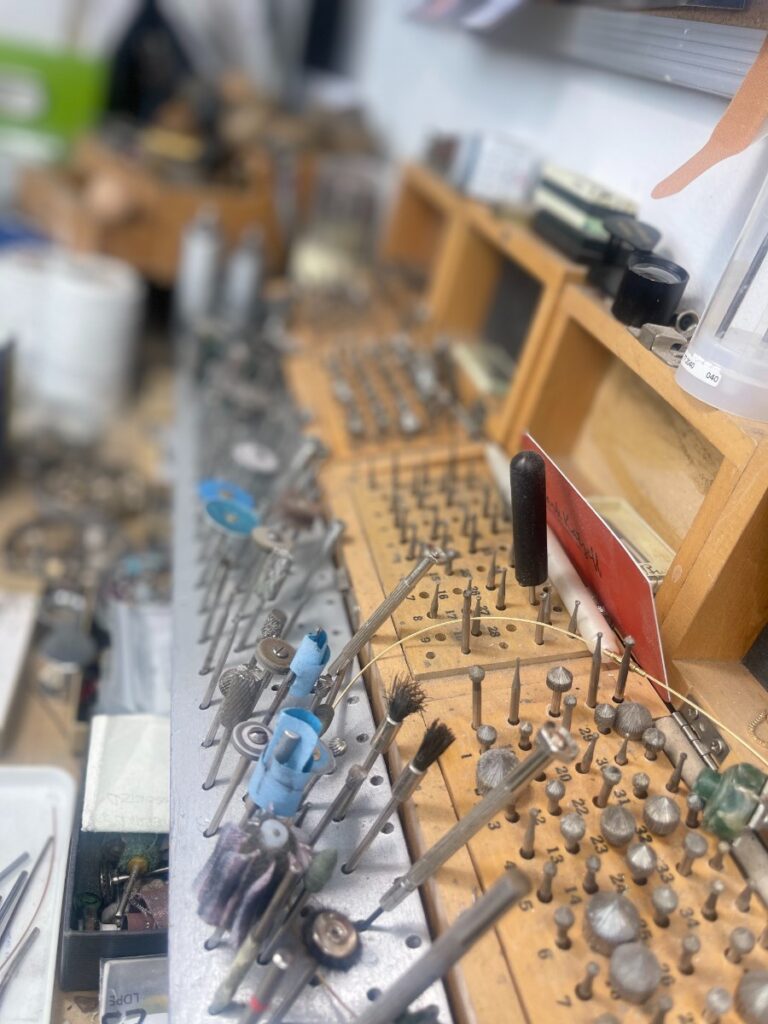
Working with master artisans who form the metal, hand-file seats and hand build settings, then apply precision tools for tight tolerances. Photo updates or quick studio visits keep you in the loop as raw stock becomes your piece.
Every component matters: gallery, claws, bridge, and clasp are checked for fit. Its polishing steps run from coarse to mirror. Prior to dispatch, a comprehensive evaluation assesses stone fixation, surface consistency, and hallmarking.
What Defines Heirloom Materials?
Heirloom materials are selected for their strength, beauty, and enduring significance. They utilize precious metals and timeless gems that age gracefully, carry stories, and can be reset or handed down. Antique is over 100 years old, while vintage is somewhere around 10 to 100 years. Most heirlooms reflect a time long since past with details not often seen any longer.
| Material/Gem | Key Traits | Why It Endures | Notes on Ethics/Story |
|---|---|---|---|
| Yellow/White/Rose Gold (solid) | Dense, workable | Repairs well over decades | Recycled or family gold adds meaning |
| Platinum | Very durable, hypoallergenic | Holds stones securely | Often higher cost, dense feel |
| Sterling Silver | Classic, repairable | Can tarnish slowly, easy to polish | Hallmarks aid provenance |
| Diamond | Hardness 10 (Mohs) | Daily-wear safe | Conflict-free or lab data matters |
| Sapphire/Ruby | Hardness 9, rich color | Minimal wear over time | Traceable origin valued |
| Emerald | Hardness ~7.5–8 | Iconic, needs care | Clarity treatments should be disclosed |
| Pearl | Natural pearl luster | Timeless, soft wear | Origin and maintenance determine longevity |
Noble Metals
Choose from yellow, white, or rose gold, platinum, and sterling silver. Solid gold and sterling silver are classic heirloom picks because they hold up to wear and can be repaired or resized over time. Platinum withstands wear and holds prongs firmly for stones that are worn every day.
These metals patina. Gold and platinum are impervious to corrosion. Sterling silver requires minimal maintenance to control tarnish. Hallmarks and assay stamps assist in dating a piece and contribute to provenance.
Up-cycled metals and family gold preserve history while reducing ecological footprint. Nothing like melting down an old wedding band to make a new ring to keep the legacy close.
Pick a metal and finish that suits how the piece will live. High-polish suits formal wear. Brushed, matte, or hammered finishes conceal light scratches for everyday rings or watches.
Enduring Gemstones
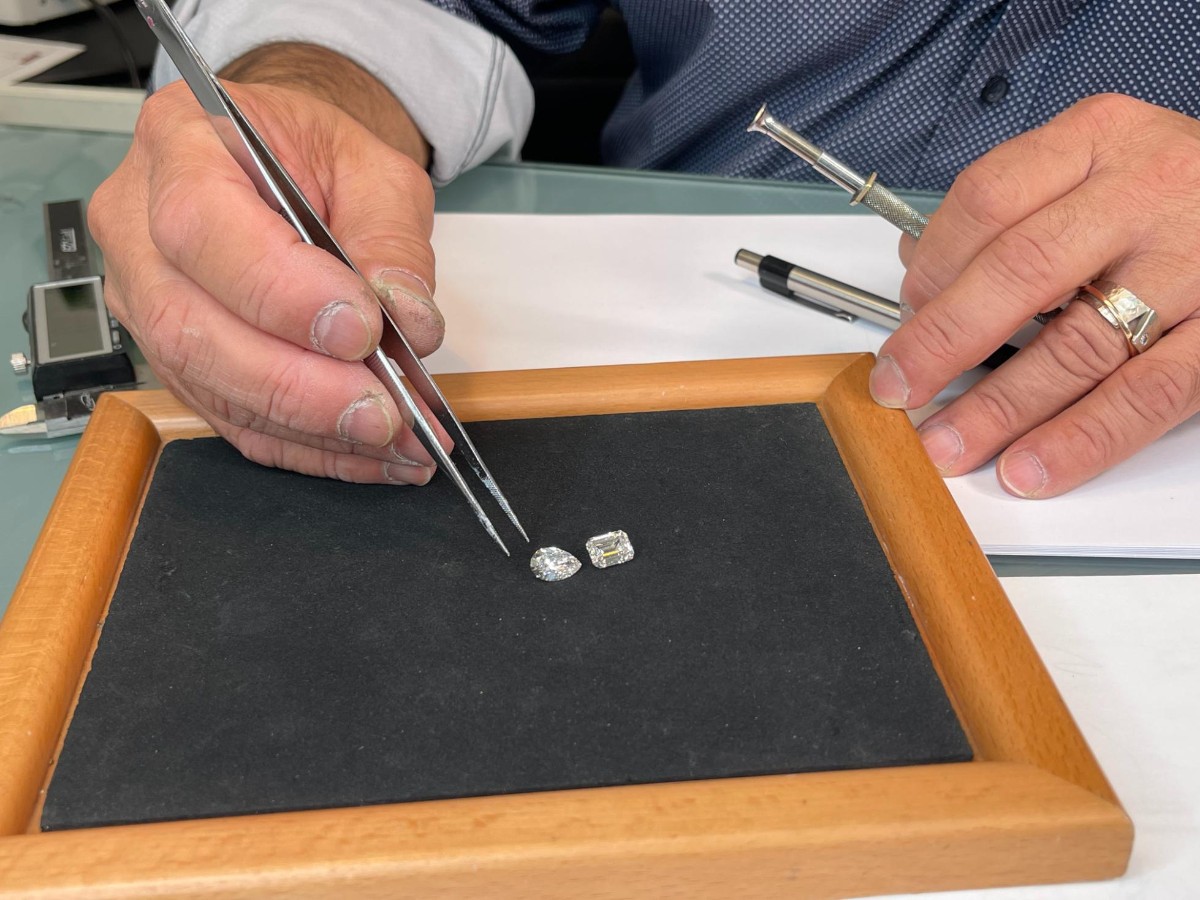
Birthstones and sentimental hues provide a personal stitch, perhaps a sapphire for September or a jade cabochon connected to family lineage. Many heirlooms mix gems, with diamonds flanking a ruby center and seed pearls lining an art deco bracelet.
Protect stones with sturdy settings: bezels, low prongs, and platinum heads for diamonds and sapphires. Soft seats and silk knots are for pearls. Inspect claws during aging.
Provenance is important. Inquire about origin when you can, conflict-free or fair-trade sources, and what treatments are disclosed. Capturing this creates heirloom quality and worth, both emotional and financial, over time. Heirloom pieces, rings or watches, can be reimagined with the story preserved.
The Unspoken Language of Design
Design talks silently. In custom jewelry heirlooms, every line, curve, and space can harbor remembrance. Colors, shapes, and textures establish mood and indicate meaning. Negative space fosters peace and concentration. Even typeface picks for the engraving veer in mood, from traditional serif stateliness to crisp sans-serif austerity. This silent design language dictates how a piece looks at first impression and ages beautifully over decades of use, telling a hushed narrative of affection, connection, and collective history through the family tree.
Symbolism
- Gemstones by value: sapphire for wisdom, emerald for hope, ruby for courage, diamond for resilience. Birthstones denote months and milestones.
- Colors: Deep blue for trust, green for growth, red for devotion, and white for renewal. Pair hues in triads to balance moods.
- Shapes: Circles for eternity, knots for unity, triangles for strength, laurel leaves for honor.
- Metals: platinum for endurance, yellow gold for warmth, rose gold for affection. Mixed metals can mirror blended families.
- Dates and initials: wedding day, adoption date, set in a serif font for heritage tone. Coordinates for a birthplace in a delicate micro-engrave.
- Layout cues: symmetrical settings signal order and unity. Asymmetry implies uniqueness in a unity.
Utilize stones or enamel in 2 to 3 colors, no more, to maintain clarity. Cut in a brief phrase, no more than 25 characters for reading at 1 to 2 mm tall.
Cultural Tributes
Celebrate roots with motifs such as Celtic knots, West African Adinkra, Islamic geometry or Mehndi-inspired filigree. If a symbol is sacred, check with a cultural expert to be safe.
Pull from antique cuts, Victorian lockets with hairwork, Art Deco step cuts, or sailors’ signet rings. A bezel recalling a family crest can surround a contemporary cut stone.
Blend old and new: a princess-cut diamond in a granulated band, a sleek oval pendant etched with traditional script. This balance keeps everyday wear effortless and story-rich. Passing these cues on the body—at the wrist, neck, or finger—keeps language and craft alive in plain sight.
Hidden Details
Conceal a micro-charm in a locket or an inner band embedded with miniature birthstones. A matte under-gallery can bear a line from a family song that is only seen with the ring off.
Add underside textures: a woven pattern that nods to a homeland craft or a petal grid beneath a solitaire.
Work in quiet winks to family lore: a jasmine motif for a grandmother, a tiny “E” tucked in the gallery for a father’s name.
Build a quick table to plan: person, symbol, place on piece, size in millimetres, and font or finish. Keep hidden details at a depth of 0.8 to 1.2 mm for durability.
Beyond the Jeweler’s Bench
Custom heirlooms live beyond designer and maker. They require maintenance, foresight, and documented history to remain significant and adornable for generations.
Proper Care
Just clean them every few months with mild soap, warm water and a soft brush. Rinse well and pat dry. Look for wear by inspecting prongs, clasps and links for play or snags. Little repairs today save stone loss tomorrow.
Keep them in soft pouches or lined boxes, each in a separate slot to prevent scratches. Avoid heat, chlorine, and harsh cleaners. Take off jewelry before sports, gardening, or lifting.
Book a professional check once or twice a year. Request prong tightening, re-tipping, re-rhodium on white gold and pearl restringing. A master jeweler sees problems you don’t.
Provide explicit handling rules to the family. Demonstrate how to put on pieces over soft surfaces, close clasps, and where to lay down items post-wear.
Future Redesign
Create a checklist: goals for the new piece, items to reuse, finger or neck size, metal color, budget, due date, and who will inherit next. Include lifestyle and wear habits notes.
Collaborate with our talented team to transform broken chains, lonely earrings, or a grandma’s ring into brand new wearable works of art. Redesigning heirloom jewelry breathes new life into a grandmother’s ring or a gem discovered on your adventures, reflecting you as you’ve become. Many people melt old gold into stackable daily-wear bands. Wedding rings from mom or grandma are frequently transformed into easy-to-stack bands.
Maintain original stones or metals to retain the emotional heart of the piece as you transition the style. Mix heirlooms together in one ring, bracelet, or pendant to share an even bigger family tale.
Keep a record of each redesign — sketches, metal and stone weights, before and after shots, dates, makers, care notes. The process usually consists of bouncing ideas off of each other, exploring styles and sitting with a designer as they create a unique piece. Anticipate a 50% deposit to order materials. Once the deposit and materials are received, the majority of projects are completed within approximately 2 weeks.
Passing It Down
- Coming-of-age events include 18th or 21st birthdays and graduations.
- Partnerships: engagements, weddings, vow renewals.
- Family moments: births, adoptions, naming ceremonies.
- Milestones: first home, major career steps, retirement.
- Memorials: anniversaries of loved ones.
Bring younger members to listen to the piece’s tale and view its papers and care actions. A studio visit can soothe jitters. Crafting from heirloom metals is exciting but nerve-racking, and a master jeweler’s advice breeds confidence.
Commemorate special occasions by presenting or lending the piece, accompanied by written instructions for its care and a plan for its return if necessary.
Mass-Produced vs. Master-Crafted
Knowing the difference between the factory and the studio helps you select items that mean something and endure.
| Aspect | Mass-Produced Jewelry | Master-Crafted Jewelry |
|---|---|---|
| Production | Machine-led, assembly lines, uniform molds | Hand-built by skilled artisans, small-batch or one-off |
| Uniqueness | Standard designs, high repetition | One-of-a-kind details, personal design input |
| Materials | Mixed alloys, plated metals common | Solid metals, traceable gems, long-wear settings |
| Craft Methods | Speed and cost efficiency | Traditional techniques, bench tools, time-intensive |
| Quality Control | Broad tolerances, visual checks | Tight tolerances, iterative fitting and finishing |
| Sourcing | Often opaque supply chains | Ethical sourcing, recycled metals, responsible mines |
| Price | Lower upfront cost | Higher upfront, stronger lifetime value |
| Longevity | Prone to wear, hard to repair | Built for service, repairable, designed to age well |
| Sentiment | Generic style, minimal story | Personal story, custom symbols, family intent |
| Investment | Limited resale potential | May retain or gain value over time |
It’s the high quality materials that separate heirloom pieces. Typically, artisans work in solid gold or platinum, use nicely cut diamonds or colored stones with transparent grading information, and select robust bezel or channel settings for everyday wear. Most put a premium on ethically sourced gems and recycled metals and disclose supplier logs, mining areas or lab source for lab-grown stones. This provides transparency about where metals and gems originated and were mined, cut, or cultivated. That kind of proof is rare with mass-market lines.
Custom work adds features that suit real use. A ring meant to be worn every day might have a low-set center stone, rounded edges and a comfort-fit band. For example, a pendant designed to be engraved later can have a thicker back plate and room for dates in three to five millimeter text height. A bracelet for tiny little wrists may have micro-adjust links at two millimeter increments. They’re tiny, but they define the piece’s day-to-day character and durability.
Heirloom value evolves out of design and story. You can insert a parent’s diamond into a new bezel, add side stones for each child’s birth month, and have initials inscribed in a handwriting style that matches a family letter. Not a trend piece, it is a record you can leave behind. Over time, fine work frequently remains repairable, retains market value, and accrues family value that mass output cannot compete with.
Conclusion
There’s real weight in a custom jewelry heirloom. My story is quite clear. Real craftsmanship. Ethical origin. Each decision defines how a piece endures. Metal type sets experience and the stone cut sets light and mood. Tiny dings give it character. Care plans maintain sparkle and integrity. Makers are important. Tools, skill, and time shine in the finish.
To transfer value through time, establish straightforward principles. Remember the source of each component. Maintain documentation. Store and clean carefully. Pass the tale onto the next donor. A ring from a 10 km walk. A pendant reserved for a new job day. These seconds bring evidence.
Ready to design your own heirloom? Begin with a sketch, a stone, or a memory. Consult a trusted maker for next steps.
Frequently Asked Questions
What makes a jewelry piece an heirloom?
An heirloom combines excellent craftsmanship, quality materials and sentiment. A custom jewelry heirloom is meant to last for generations. Details such as conflict-free gems, solid bullion and classic style increase not just durability, but worth and sentiment.
How long does a bespoke jewelry process take?
Most custom projects take 4 to 8 weeks. Intricate designs or uncommon materials can increase delivery times. Transparent communication, rapid approvals, and clear budgets keep the schedule humming.
Which materials are best for heirloom-quality jewelry?
Select solid gold (14k–18k), platinum or high grade titanium for durability. Choose natural diamonds or certified gemstones. Request source documentation, metal purity and lab reports.
Can I redesign an existing family piece?
Yes. An expert jeweler can reset stones, polish metal, or modernize the design without losing the emotion. It is the way we preserve history and enhance wearability, durability, and comfort.
How do I ensure ethical and sustainable sourcing?
Request written proof: mine-to-market tracing, Responsible Jewellery Council (RJC) certifications, or recycled metals. Think lab-grown diamonds with disclosures. Clear records establish confidence and enduring worth.
Why choose a master jeweler over mass-produced options?
Master-crafted pieces provide finesse, custom fit and repairability. You receive higher-quality settings, thoughtful design and long-term service. It cuts down on future expenses, boosts durability and safeguards sentiment.
How should I care for an heirloom piece?
Clean with a warm, mild soap and water. Keep away from strong chemicals and excessive heat. Keep in a separate compartment so it doesn’t scratch other pieces. Have it professionally inspected for prong checks, polishing, and secure settings every 6 to 12 months.
Looking for something else? Discover Mark Katzeff’s expert guides and resources on creating timeless custom jewellery.
Goldsmith Designs and Crafting
You may also find these resources helpful:
Historical Canadian Jewellery Maker