
- Key Takeaways
- How Corporate Jewelry Builds Brand
- Strategic Applications
- The Art of Design
- The Unspoken Message
- Measuring Your Investment
- Navigating Key Considerations
- Conclusion
- Frequently Asked Questions
- How can corporate jewelry strengthen my company’s brand?
- What types of corporate jewelry work best for businesses?
- How do I align corporate jewelry design with my brand identity?
- Is corporate jewelry suitable for employee recognition programs?
- How can I measure the return on investment (ROI) of corporate jewelry?
- What should I consider when choosing a corporate jewelry supplier?
- Are there etiquette or cultural concerns with corporate jewelry?
Key Takeaways
- Corporate jewelry takes your brand and makes it wearable, combining logos, colors, and high-quality materials into a powerful expression of identity. Begin with a targeted selection of rings, pins, and pendants that unmistakably evoke your visual identity and ethos.
- Considerate jewelry gifts foster emotional connection by recognizing impactful moments, service, and accomplishments in an intimate fashion. Add engraving, names, dates, and custom messages to go deeper and make every piece feel truly earned.
- When they are made with top-notch materials, ethically sourced, and crafted with care, it builds value and trust for your organization. Select metals and stones that fit your budget, sustainability mission, and the statement you want to make about your brand.
- For example, strategic use of corporate jewelry across employee milestones, executive gifting, client loyalty, and sales incentives all work together to promote retention, motivation, and long-term relationships. Match particular jewelry to defined business objectives so each one drives a quantifiable result.
- Measurement and feedback are necessary to demonstrate ROI from brand recall and social amplification to employee satisfaction. Measure, gather anecdotes and promote sharing to see how your jewelry programs evolve.
- Defined rules for design, brand integrity, copyright and global logistics support consistency and protect your brand as you scale corporate jewelry projects. Create text policies, collaborate with trusted partners and regularly audit policies to facilitate seamless and dependable delivery globally.
Corporate jewelry refers to jewelry worn in the workplace that fits office dress codes but still expresses individual style. I see people wearing these all the time to provide a clean, put-together look that doesn’t scream for attention. Plain metal bands, tiny studs, thin chains, and understated watches generally slide under most corporate guidelines. A lot of workplaces use corporate jewelry, such as logo pins or cufflinks, to designate rank, award, or years of service. In certain areas — law, finance, client-facing jobs — smart jewelry can assist you in constructing a crisp, altogether appearance. The following sections cover common styles, style rules, and shopping tips to keep your selections savvy, understated, and within corporate guidelines.
How Corporate Jewelry Builds Brand
Corporate jewelry transforms intangible brand concepts into tangible, wearable, sharable, memorable signifiers. When done thoughtfully, it connects identity, recognition and culture in a manner that is useful and intimate.
1. Tangible Identity
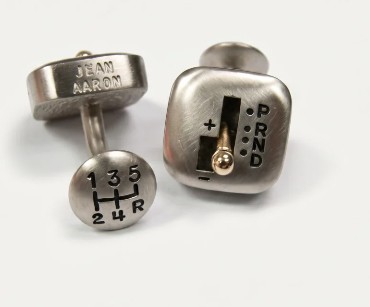
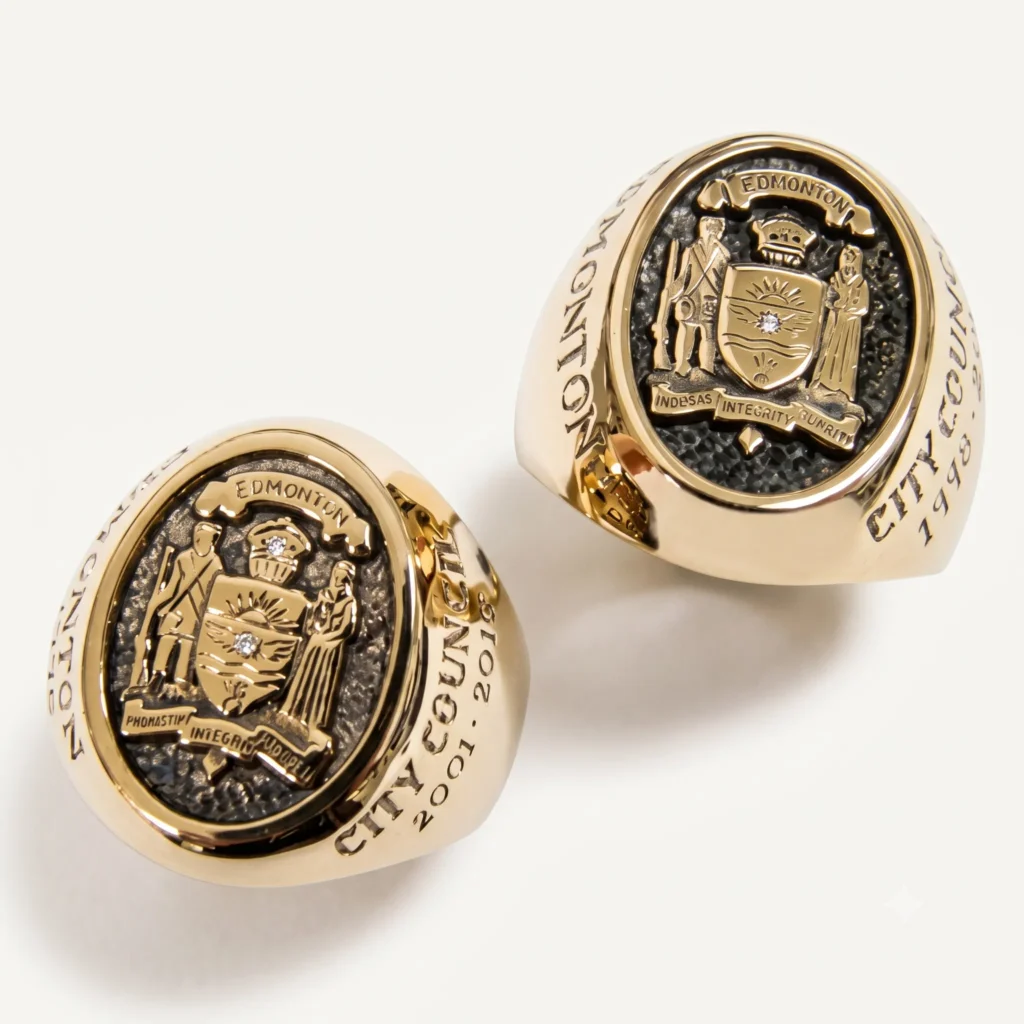
Corporate Jewelry gives your brand a body something as simple as a ring, pendant, lapel pin or tie bar can carry your logo, your colors, or a key icon from your visual system. When those details align with your brand standards, each becomes a little portable billboard of your identity. A tech company could utilize clean lines and brushed steel, whereas a healthcare group might rely on softer shapes and warm colors.
PL about how corporate jewelry builds brand, and a full collection helps large teams stay aligned. Distinct departments can have pieces that fit their function but all have a common design language. Sales could be cufflinks, field staff badges or pins, and leadership signet-style rings, all distinct and visibly of the same family.
There’s something about custom championship or award rings that makes accomplishments tangible. These work well for big sales wins, long term projects or sports-style internal competitions. Whether it be the year, project, or product icon, these details transform each ring into a mini archive for the brand’s tale.
Packaging plays its role, too. A nice little box, soft insert and clean logo print increase the perceived value. When someone unwraps that box as part of a promotion or opening ceremony, that initial impact says this brand means business.
2. Emotional Connection
Service awards — an easy way to create devotion. A five-year pin, a ten-year pendant, and a twenty-year ring all paint a vivid path of growth and commitment. As the years go by, employees and partners can witness their path in a tiny, tangible collection of bling.
Personal touches further strengthen the connection. Names, years of service, or a little message on the back personalize the jewelry so it feels crafted for one individual, not ripped from a generic warehouse. This typically works better than a higher price point with no customization.
For highest performers, distinctive designs that combine company values with the individual’s function can be strong. For instance, a personalized pendant that melds the brand mark with an engineer’s initial patent number pays homage to both the individual and the company’s mission.
3. Lasting Impression
Great brand jewelry begins with quality raw materials and meticulous craftsmanship. Solid metals, clean settings, and smooth finishes all say respect for the wearer and respect for the brand itself. A flimsy pin or peeling plating says exactly the opposite.
Modern CAD tools help secure quality. Precise 3D renderings allow teams to review scale, logo legibility, and color before a single thing is produced, minimizing mistakes and making it simple to stay on brand.
A digital-first curation process bolsters international teams. Comprehensive product images, transparent close-ups and collaborative virtual design boards enable decision-makers in various locations to simultaneously explore options and provide input, all without leaving home.
A lot of organizations treat corporate jewelry as an investment, not just a fast freebie. A consistent line of pieces, year after year, can influence how people perceive the brand more than a one-off campaign.
4. Perceived Value
Metal selection establishes the mood. Platinum and top-karat gold befit high-end leadership or executive honors. Mid-range items like 9K or 14K gold, or really well-finished pewter and stainless steel, will keep things in check and still look serious and polished when you have large teams.
Limited runs bring in even more of a rarity factor. Numbered editions for best performers, founding teams or big anniversaries say to people, ‘Not everyone gets this.’ That rarity tends to increase how much the wearer appreciates the item.
Diamonds and colored stones should reflect the brand’s role and budget. Distinct standards on sourcing, cut, and color maintain the line’s consistency. Even tiny stones can appear luxurious if the setting and metal work are immaculate.
Close checks in the last production phase count. Clean logo edges, straight engraving and secure clasps all reinforce the message that this company cares about the details in all that it does.
5. Internal Culture
Custom rings and pins can help retention by providing individuals with tangible evidence of their development. When staff witness their peers sporting five, ten, or fifteen-year pieces, they can envision their own future with the company.
Special editions may pay tribute to various generations or familial connections within the company. A founder’s series for the first employees or a family edition for cousins who work at the same company can honor the brand’s heritage without alienating other recent employees.
Awards that represent expertise and consistent effort influence standards. A ‘craft’ ring for technicians who finish advanced training or a pin for mentors with numerous successful apprentices transforms sought-after actions into tangible badges.
Jewelry can back mentoring and career pathways. Senior staff could hand down a pin or charm a junior colleague’s bracelet at the close of a program. These little touches, supported by an obvious design scheme, cultivate a communal feeling of ownership.
Strategic Applications
Corporate jewelry is best when it connects brand, people and data. It can serve recognition, gifting and loyalty programs and feed digital channels, UX and long term customer insight.
Employee Milestones
Employee milestones provide a nice, defined method to purposefully employ jewelry. Companies love to celebrate 3, 5, 10 or 20-year service with custom rings, pendants or watches that feature the logo, values or subtle brand motif. With CAD design, these pieces can scale across markets while still enabling small alterations, such as metal type or engraving, to correspond with rank or years of service.
Retirement gifts are perfect when they come off personal, but still on brand. A gold or platinum watch with the employee’s name, start year, and finish year can commemorate their legacy in a subtle manner. Others combine a traditional pendant or bracelet with a digital message wall on the site, which enhances UX and showcases the culture to potential candidates.
Promotions and major project wins can employ lighter pieces, like lapel pins or small pendants with project names or icons. These will photograph beautifully and can appear in internal news, social feeds, and annual reports, providing visual evidence of appreciation.
- 3–5 years: stainless steel pins, charm bracelets, or cuff links
- 10 years: silver or gold‑plated rings with engraved dates
- 15–20 years: fine watches or solid gold pendants
- Retirement: premium watches, heritage rings, or family‑ready heirloom sets
Executive Gifting
Executive gifting, for example, often relies on higher-end materials, such as 18k gold, platinum and high-grade diamonds, to communicate an explicit message of trust. Most companies contract a tiny suite of items, including cuff links, tie bars, bracelets, or necklaces, that utilize the same design language as their logo but keep it subtle. Armed with CAD programs and customer research data, design teams can try out proportions, stone size and finishes prior to finalizing production, which reduces rework.
Personalizing an executive gift with their initials or a short inscription keeps the emphasis on the person, not just the company. A board chair may get one bold statement piece while senior leaders get matching but more subdued designs from the same line. You can save these sets in your CRM so future gifts remain consistent in style and value, which is a big deal in long-term relationships and across global offices.
Client Loyalty
Client loyalty programs add even more impact when rewards seem real and permanent. Jewelry featuring a discreet logo or signature print—think of a bespoke emboss or color pattern—allows customers to recall the brand without feeling like they sport a billboard. Limited edition pins or pendants for top clients can signify major deals, annual reviews, or partnership anniversaries in a subtle but unmistakable way.
Less but useful things, like letter openers with metallic inlays or slender logo pins, can operate in the course of contract signings, product launches, or joint events. When logged in a CRM and connected to ERP and accounting tools, teams can view which gift tiers correspond to renewed contracts, cross-sales, or referrals. Data-driven decisions, over time, help fine-tune which lines of jewelry remain, which expire, and how discounts, such as 50 to 60 percent below traditional diamond prices using lab-grown stones, affect margin and loyalty.
The Art of Design
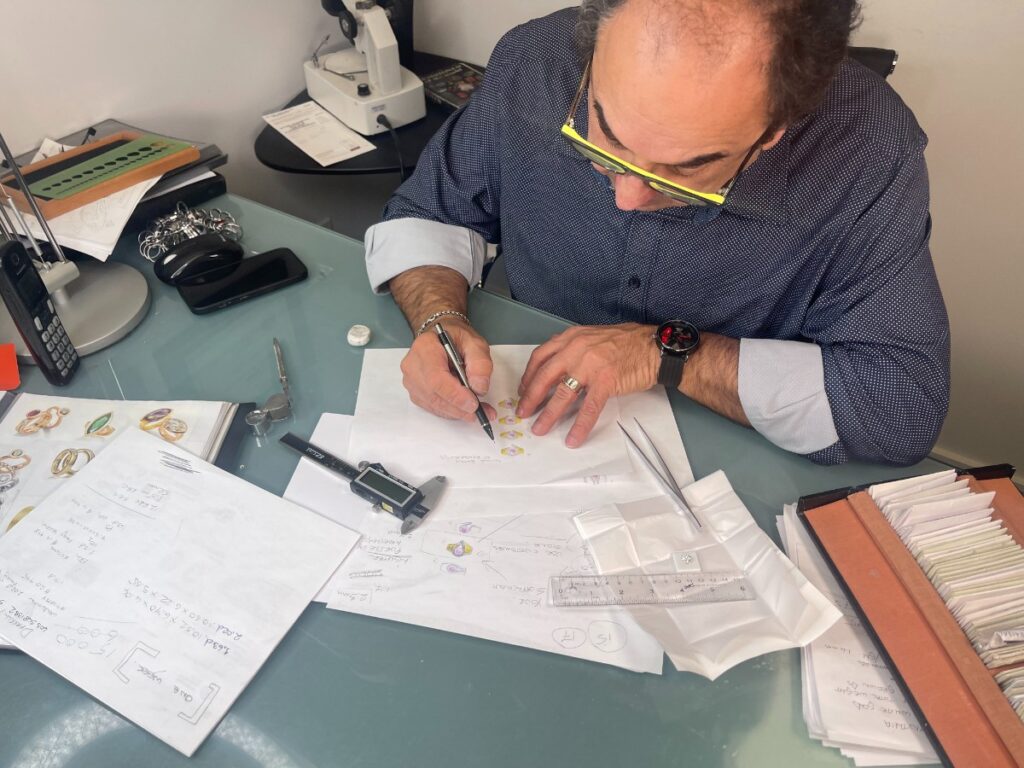
Corporate jewelry design connects brand strategy with exquisite craftsmanship. It marries marketing objectives with visual identity and wearability in a single language of design that scales from one-off executive gifts to large recognition programs.
Collaboration lies at the center. Most companies have master jewelers, master designers, and master artisans who understand both high jewelry and “really cool but commercial” pieces that incorporate expensive stones but do not feel too blingy. These specialists assist in offsetting logo utilization, stone scale, and steel weight, so pieces seem excellent and still fit daily wear in workplaces, seminars, or customer meetings. Tough projects tend to unite branding teams, HR, and jewelry studios, so design decisions reinforce actual business objectives, not just beauty.
A nice design process typically progresses in defined stages, from doodles to final renderings. Studios may use drawing systems similar to those taught in classic jewelry-design books: one page of text explaining form, balance, or stone setting, facing a full-page color rendering that shows the idea in practice. Some of these guides are over 220 pages long, with 20 to 30 subsections that focus on settings, proportions, metal treatments, and drawing techniques like detailed, fully rendered perspectives. These resources can seem academic at first, but a closer inspection quickly reveals very practical takeaways for corporate projects, such as how a 5 mm logo stone reads compared to a 3 mm one at arm’s length.
Digital tools complement this traditional art. Designers employ CAD software and 3D rendering of designs to verify scale, surface finish, and stone placement, reducing rework and accelerating approvals. Virtual prototypes assist brand teams in viewing how a pendant lays on a shirt collar or how a cuff link plays with a typical 10 to 12 millimeter shirt cuff. This blend of hand-sketched concept art, inspired by centuries-old European and German luxury commercial traditions, with contemporary software renders jewelry design a serious, learnable craft. This transforms disorganized genius into a succinct, actionable direction for company work that feels deliberate, cohesive, and production-ready.
Material Symbolism
Material choice makes a silent yet powerful statement in corporate jewelry.
Many brands now opt for recycled or sustainably sourced gold and platinum, or ethically sourced diamonds, to demonstrate an actual commitment to responsibility. It’s a decision that can support ESG objectives and resonate with employees and customers who value traceability.
Others incorporate colored diamonds, sapphires, or rare metals like palladium to indicate innovation. A tech company could utilize cool-toned metals and blue stones to reflect a digital, forward-facing identity. A heritage firm might rely on warm yellow gold to convey dependability and confidence.
For big award programs, pewter or inexpensive gold alloys help maintain cost per piece without seeming cheap. Thoughtful packaging, firm clasps, and heavy mass might still lend an air of significance when you place thousands of orders a year.
The fundamental law is fitness of message to material. If you’re looking to pay tribute to long service, chunky bits in hard-wearing metals seem appropriate. If the objective is to demonstrate nimbleness and fresh thinking, more lightweight solutions with hybrid materials can align more appropriately and sense more relevant.
Design Elements
Design takes intangible brand attributes and transforms them into something tangible, something people can hold as they walk down the aisle.
Logos, brand colors and signature motifs are often the foundation. A logo could be a discreet relief in the interior of a ring or an emblem on the back of a pendant, with a more classic design on the front. Color can emerge via enamel in brand colors, palette-matching stones or even complementary metals that reflect brand imagery.
Shape and texture contribute an additional layer. A financial firm might prefer clean lines, geometric forms, and high-polish finishes that register as precise and organized. A creative agency might have organic curves, brushed surfaces, or mixed finishes that catch light in a less corporate way.
All of this still needs to be consistent with wider marketing and design principles. Style sheets and digital mockups, think brand guidelines for print and web, maintain consistency in how fonts and logos are placed and how colors are used on rings, pins, cufflinks, and watches. This prevents a 10-piece set from appearing like it was sourced from 10 different vendors.
Personalization
Personalization makes regular old corporate stuff into items that people want to hold on to.
Certain designs include engraving for names, dates, award levels, or brief messages on pendant backs, ring bands, or watch case backs. It maintains a clean front with an item that feels personal.
Several of the companies provide a menu of styles, metals, and stones, so a recipient can select the version that best aligns with their personal taste or cultural preferences. CAD-based visual mockups assist in displaying these options crisply prior to production, so there are fewer shocks.
Common personalization options include:
- Name or initials engraving
- Service year or award-level engraving
- Choice of metal (for example: steel, silver, gold)
- Choice of stone type or color
- Optional company motto or short message
- Varying chain lengths or ring sizes of a given design.
The Unspoken Message
Corporate jewelry talks before anyone reads a brochure or clicks on a link. The selection of paper, finish, and packaging subconsciously blares the message of how a company treats people, cares for details, and lives its values each day at work.
Ethical Sourcing
That’s the unspoken message in a company’s choice to use responsibly sourced diamonds and metals. RDI diamonds and traceable stones from vetted mines, for instance, demonstrate that the brand values who is behind each piece — not just how it appears in a case. That care, in turn, tends to reflect the way the company thinks about vendors, employees, and customers.
Morality minimizes risk. Gold or silver connected to war zones or risky labor can ruin a brand incredibly quickly, particularly when customers are international and savvy. Transparent sourcing policies, third party audits, and shared supplier lists demonstrate the company isn’t concealing the narrative of its materials.
Telling that story counts. Whether it’s short cards in the box, QR codes linking to mine-of-origin data, or a quick sourcing note in a client pitch, these things help people connect the dots between the jewelry and the company’s larger commitment to human rights and the environment. This turns every award pin or client pendant into a token of trust and affection, not just a luxury item.
Sustainable Craft
How the jewelry is produced crafts the unspoken message. Workshops that source recycled gold, purify scrap, and select minimal impact plating techniques prove that excellence and attention can go hand in hand with less waste. A client ring made from melted down metal from an old HQ building makes recycling into a tangible narrative of legacy.
Smaller runs, numbered editions, and made-to-order pieces keep unsold stock low and make each piece feel less generic. This feeling of restraint frequently translates as confidence and rigor in the broader brand. When a company communicates its energy use objectives, its material recovery rate, or the number of packaging changes in plain language, it links the object on hand to genuine, current action — not a one-off green boast.
Generational Legacy
Corporate jewelry can tell the unspoken message of a company’s growth. A family-owned firm could print a limited run of cuff links depicting the founder’s original logo beside the current mark, expressing both roots and evolution in a tiny expression. Each one is a silent testimony to grit and vision, qualities numerous spouses seek.
Getting different generations involved in design makes the jewelry not feel stuck in one time period. Senior leaders may insist on timeless shapes while younger staff incorporate subtle modern lines or mixed metals. That equilibrium might reflect how the firm combines expertise with innovation.
Jewelry that signifies succession, like a pendant presented as a new CEO steps in or pins exchanged at a leadership transition ceremony, communicates confidence to employees and customers. It demonstrates that the company looks forward and respects those who laid the foundation. In years to come, these artifacts can create a palpable timeline of the brand’s purpose and culture through decades of transitions in both people and market.
Measuring Your Investment
| Metric | What to Track | Sample Impact Range* |
|---|---|---|
| Brand recall | Logo recognition, event visibility, survey scores | 10–25% lift in unaided recall |
| Employee retention | Turnover rates, tenure after awards | 5–15% lower turnover in awarded groups |
| Social amplification | Posts, shares, reach, click-through | 2–4× engagement vs. standard recognition posts |
| Asset value of jewelry itself | Appraisal value, resale potential | 15–20%/year for vintage; up to 30% gemstones |
*Illustrative ranges, not guarantees.
Brand Recall
Brand recall begins with frequency and location of jewelry exposure. Record the number of senior leaders, sales reps, and client-facing teams wearing branded pieces at conferences, trade shows, client meetings, and in panels, keynotes, and media interview settings.
Measure the tie to brand recall with quick surveys at your events, asking partners or prospects if they remember your logo or design theme. Test against groups who have been exposed to the jewelry in use with groups who have not and look for shifts in unaided recall and brand association words.
Gather feedback from recipients through quick forms: ask if the piece feels subtle or loud, premium or basic, and how it shapes their sense of your company. That allows you to tweak materials and design, such as plated metal to 925 sterling silver or 18K gold for higher-value audiences.
Experiment: Invest and then measure. For instance, a collectible lapel pin from a recognized designer, purchased or handed out with complete records and certificates, might have more robust memory and higher rates of perceived appreciation than a generic emblem, particularly if the market develops preferences for retro or understated designs.
Employee Retention
To gauge the impact of jewelry on retention, measure turnover and average tenure for employees who receive milestone awards, like 5-year or 10-year 18K gold pins, versus those who don’t. Segment the numbers by team and location to understand where the impact is most significant.
Run short, anonymous surveys. Did the piece make them feel seen? Did it feel like the right time? Did the award shift how they see their future at the company? Make the questions simple and combine them with HR data. This way, you can observe if increased motivation correlates with reduced turnover.
Consider the awards themselves worth of the prizes. Fine silver 925 stamped “Sterling” with country of origin or 18K gold (75%) seems to fare better in value and wear and tear. When you measure your investment in terms of cost per year of service acknowledged, such materials frequently pay dividends.
Where possible, document success stories. For instance, a long-tenured manager who stayed through a tough year cites a well-timed, well-crafted piece backed by an independent appraisal and insurance as one reason they felt the company was truly invested in them.
Social Amplification
Social amplification makes every piece of jewelry a tiny media channel. Ask recipients if they’d be willing to post pictures of their award on LinkedIn or other professional networks, and give easy posting instructions along with a campaign hashtag that suits your brand tone!
Monitor user-generated content with that hashtag and evaluate reach, impressions, and engagement versus your typical company posts. Keep an eye out for posts that showcase limited edition pieces or rare gemstones, as these can attract a lot more attention, especially if the market is on your side for that particular style or time period.
Connect up with online events like webinars, virtual awards ceremonies or behind the scenes at how the pieces were designed. Take these pauses to discuss workmanship, vintage, purity, and how 18K or vintage design can add lasting value.
Maintain appraised values on high-end or vintage pieces, particularly when these have been experiencing 15 to 20 percent per year appreciation or rare stones going up to 30 percent in robust markets. Post certain testimonials where clients or staff talk about the emotional experience and the financial care, being given a piece with all the certificates, independent gemologist report, straightforward insurance advice, and so on. This combination of validation and sophistication helps build trust and amplify your coverage.
Navigating Key Considerations
Corporate jewelry, in essence, hits the intersection of branding, law and logistics, so working it well is as much about the planning as the design. Smart guidelines safeguard the brand, get product on planes and boats, and maintain consistency without leaving employees boxed in when it comes to expressing individual flair on the job.
Brand Integrity
Brand integrity in jewelry begins with tight control over how your logo, colors, and shapes appear on every piece. Distribute exact vector files, color codes, and size and placement rules, so a lapel pin in Berlin resembles the bracelet in Singapore. Have vendors sign agreements that restrict logo usage to approved projects and prohibit resale or redesign without written permission.
Quality control is according to your general brand standards, not the lowest quote. Determine metal types, stone qualities, and finishes that can withstand everyday use because desk jewelry is worn frequently and needs to appear shiny, not beaten down. Basic, neutral bits that transition from workday to evening, such as brushed-metal tie bars, slim bangles, and small logo earrings, often work across more roles and cultures.
Guidelines for style and etiquette as well. For more traditional offices, you could recommend subtle or remove piercings whilst on the clock, and guide employees towards timeless stones like diamonds, sapphires, or pearls that enhance an outfit without demanding attention. In more creative offices or on casual Fridays, employees can explore more daring corporate pieces and combine them with their own. This is where you can demonstrate how clever accents—framed bags, skinny belts, and crisp shoes—complement jewelry to create a polished, prepared-for-anything style.
Copyright Protection
Copyright is protected even prior to making the first sample. Copyright original jewelry designs, logos, and pattern families where you can and store date-stamped files that document the design process. This comes in handy if someone down the line copies a signature charm or branded bracelet clasp.
For instance, add explicit copyright notices on 3D renderings, design decks, and style sheets, and request that suppliers keep such files confidential. On the final works, employ subtle stamps or labels that indicate ownership and assist in tracking sets if prints show up on eCommerce sites.
If you work with outside artists or studios, contracts should specify who owns the final design, what can be shared in portfolios, and which territories are covered. Have attorneys who know jewelry and brand law so clauses are simple but powerful.
Internal awareness counts. Quick tips or training can articulate why ripping off another brand’s signature bottle shape is dangerous and why your own designs should stay out of side projects. Ensure teams who process online product photos, social media, or catalogs apply the right names, notices, and attributions every time.
Global Logistics
Global roll-outs present logistical challenges. Business jewelry is tiny but worth a lot, so secure packaging, tamper-evident seals, and padded, unbranded outer boxes prevent loss or theft. Materials need to appear professional but survive travel and long days. Stainless steel, well-plated brass, and tough synthetics tend to wear better than delicate, porous metals.
Pick logistics partners with tracked, insured shipping and jewelry or other regulated goods experience. Time your production calendars to coincide with major events, award cycles, or product launches, including buffer time for customs checks and local holidays.
Being prepared is essential to making cross-border relocations go smoothly. Coordinate with your vendors to prepare invoices, origin certificates, and customs codes that correspond to every kind of material and stone. Review regulations for things containing natural pearls, specific gemstones, or metals, as a few borders consider these greater danger or higher responsibility.
To the end user, tracking and support are in the brand story. Provide shipment information, transparent return policies and expeditious assistance if a package gets lost or a clasp breaks upon delivery. Navigate key considerations. Link jewelry programs to wider dress rules, reminding employees that shoes and other accessories form the total impact, and professionalism typically beats hipness when selecting workwear.
Conclusion
Corporate jewelry does real work for a brand. It can celebrate milestone wins, recognize tenure and create collective pride within teams. A well-fashioned pin or bracelet can speak for the company in a hush-hush yet powerful way. It can demonstrate thoughtfulness, style and definite values.
Slick corporate jewelry! It can aid in hire loyalty, client trust, or brand recall. The secret is fitting with values, clear intent, and consistent wear.
Prepared for a next move? Just start small, with a single obvious project, such as a new hire kit or an award piece. Test the response and then iterate the design and rollout with more breadth.
Frequently Asked Questions
How can corporate jewelry strengthen my company’s brand?
Corporate jewelry makes your logo and values into something people can wear and see. It builds brand affinity, reinforces a cohesive image and fosters community among your staff and affiliates.
What types of corporate jewelry work best for businesses?
Some of the favorites are pins, cufflinks, bracelets, necklaces, and lapel badges with understated branding. What’s best depends on your industry, dress code, and how frequently people will wear them: daily, events, or awards.
How do I align corporate jewelry design with my brand identity?
Take your brand colors, logo and values as a starting point. Pick materials, finishes and shapes that match your brand persona, such as modern, classic, or eco-focused. Collaborate with a corporate jeweler!
Is corporate jewelry suitable for employee recognition programs?
Yes. Awards, milestones, and performance recognition are often the reason for corporate jewelry. It provides a permanent, tangible symbol of accomplishment and allegiance, which can bolster drive and retention.
How can I measure the return on investment (ROI) of corporate jewelry?
Monitor usage, employee sentiment, event exposure, and social media activity. Contrast these with objectives like engagement, retention, or brand awareness. Think about immediate impact and brand recognition down the road.
What should I consider when choosing a corporate jewelry supplier?
Look at their corporate experience, design and materials, turnaround time and sourcing. Check out samples, customer feedback and guarantees to ensure dependability and quality.
Are there etiquette or cultural concerns with corporate jewelry?
Yes. Think about cultural and religious sensitivities, dress codes, and personal taste. Provide choices when you can and don’t go for designs that could be misinterpreted or offensive in other parts of the world.
Looking for something more tailored to your brand or story? Explore Mark Katzeff’s custom jewelry services, from concept to handcrafted completion.
Custom Jewelry Design and Crafting
Corporate Jewelry and Recognition Pieces
Interested in learning more about jewelry craftsmanship and materials? Browse these trusted resources for deeper insights: