
- Key Takeaways
- The Bespoke Creation Cycle
- Why Holiday Custom Orders Early?
- The December Deadline Trap
- Creative Freedom and Personalization
- The Hidden Production Economy
- Plan Your Custom Project
- Conclusion
- Frequently Asked Questions
- When should I place holiday custom orders to avoid delays?
- Why do makers need so much time for bespoke holiday creations?
- What is the “December deadline trap” for holiday custom orders?
- How much personalization can I expect with a custom holiday order?
- Why do custom orders sometimes cost more than ready‑made items?
- How can I plan a smooth custom project for the holidays?
- What if I missed the holiday custom order cutoff date?
Key Takeaways
- Start holiday custom orders as early as you can. Think September, so there’s time for consultation, sourcing materials, prototypes, and quality testing. Early planning contributes to a peaceful, organized process rather than last minute stress.
- We adhere to a distinct creation cycle that transitions from design consultation to material sourcing, prototyping, and quality control. Each phase brings expectations into alignment, the design into greater focus, and the final work into alignment with the initial vision.
- Leverage early timelines to lock in your favorite materials and finishes ahead of seasonal shortages and price hikes. This minimizes the potential for substitutions, delays, and additional rush fees.
- Allow time for several redesigns and dialogue with the artisan. This range of options provides for last minute, on-demand gifts.
- Skip the ‘December deadline trap’ of confined capacity, hastily made products and elevated costs. Late orders frequently miss holiday delivery windows and make you sacrifice design, materials, or craftsmanship.
- Think of your holiday custom order as a creative yet pragmatic joint venture. By beginning early and committing to each phase, you increase your flexibility, get great value, and end up feeling much more satisfied with the final custom piece.
Holiday custom orders are items or reviews created on demand during the holiday season to a buyer’s specifications. Buyers get them for gifts, corporate events, at home, or branded gear when the norm feels too generic. Whether it’s custom cookies and printed cards, engraved gifts, bulk merchandise, or tailored gift boxes. Sellers typically have early cut-off dates, limited stock, and plan shipping around peak demand from late November to late December. Buyers want to know definite timelines and what kind of proof options are available, small versus large run costs, and so on. The main body then walks through how holiday custom orders work, common types, timeline tips, and how to avoid last-minute stress.
The Bespoke Creation Cycle
Holiday custom order bespoke creation cycles run through interconnected stages that collectively span three to four weeks, plus shipping, on average. A transparent schedule, transparent constraints, and transparent communication make the work chill for both parties and minimize last-minute tension.
- Clarify the idea and purpose of the piece.
- Confirm budget, timeline, and payment terms.
- Source and confirm materials.
- Build and test a prototype, if needed.
- Produce the final piece with agreed details.
- Run quality checks before packing.
- Arrange shipping with realistic delivery windows.
All steps preserve quality and help prevent last-minute feverish work, overcharge, or burnout. Early-planning clients and savvy-limit-setting creators wind up with outcomes that feel deliberate, not coerced.
Concept Consultation

Concept consultation is the reality check for expectations. We regularly have clients wishing for 100% custom work in 10 days or less, which is almost never feasible, particularly during peak holiday months. A no-nonsense discussion, up front, about a 3 to 4 week cycle, plus shipping, for either local or international delivery holds the project down to earth.
In the meeting, review intention, design, and application. For instance, a bespoke gift box for food requires a different approach than a display piece or a ceremonial dress. Request reference images, color concepts, and ‘have-to-have’ and ‘love-to-have’ attributes. This speeds later decisions up significantly.
Establish a common deadline and one ‘customer due date’. The common due date is when the article has to be complete. It’s client deadlines that are earlier, so they have time to do things like double-check details, confirm shipping, and deal with any surprises. Establish payment terms here too. Some creators opt for full or high-percentage payment upfront to avoid holdups or disagreements.
Bespoke Creation Cycle www.chrisbrogan.com/metadata/0196/6.aspx Creators need to be honest about their own limits. Declining work well beyond one’s abilities or timetable prevents burnout, sleepless nights, and hurried outcomes.
Material Sourcing
Material sourcing can take about one and a half weeks, particularly if a client is after rare fabric, custom hardware, or engraved parts. Beginning this step early is crucial, as procrastination in this phase clogs everything that follows.
With holiday custom orders, it’s wise to communicate that certain colors, woods, metals, or trims may sell out. Offering clear options keeps trust high: clients can stick with their first choice and accept a longer wait, or switch to a similar, more available option. Ethical and high-quality sourcing requires time, as it can include verifying supplier standards, shipping windows, and backup vendors.
| Material type | Typical availability | Common alternatives |
|---|---|---|
| Natural fabrics | Usually in stock | Blends with similar texture |
| Specialty metals | Limited, may be pre-order | Standard alloys with close finish |
| Custom prints | Made to order, 1–2 weeks | Solid colors or stock patterns |
| Rare wood species | Seasonal or restricted | Certified, more common hardwoods |
If rush orders are asked, sourcing often ends up being the primary cost driver. These are the hidden costs, the additional costs that accrue including fees for express shipping, priority handling, or searching for quick replacements.
Structural Prototyping
Structural prototyping forces you to eradicate vague and transformation ideas into something you can try out and refine. It can be a paper mock-up of packaging, a basic fabric sample, or a 3D sketch of an ornament. The point is to check size, fit, and general structure before going into production.
This allows both parties to view scale and surfaces in physical space. For instance, a gift box that looks nice on screen might feel too small when printed, or a metal accent might upstage a minimal design. A fast prototype captures this before the production run.
Customer response is critical in this aspect. Short review loops, with direct questions such as, “Is this width sufficient?” or “Should the color be deeper?” accelerate decisions and reduce back-and-forth. It’s smart to schedule extra time for a round or two of changes instead of promising immediate changes that squeeze the rest of the schedule and drive staff overtime.
Quality Assurance
 Quality control is the safety net that keeps holiday custom orders from going awry in the last step. Inspections at critical milestones, once materials arrive, once the prototype is approved, mid-production, and before shipping, detect defects early and prevent remakes.
Durability, finish, and function all require testing. A bespoke bauble could be inspected for flaking paint or rattles. A printed card series could be inspected for color correspondence and sharp cuts. A wearable requires seams, closures, and comfort trials. If issues arise, they need to be addressed prior to proceeding, even if that seems sluggish.
A simple checklist makes this process clear and transparent:
- Materials match approved list
- Colors and finishes are consistent
- Dimensions fit agreed specifications
- Structural parts are secure and safe
- Personalization (names, dates, messages) is error‑free
- Packing protects the item during transit
Any problem that arises at this point should initiate a truthful client update, with a new delivery date if necessary. This can involve declining last‑minute rush jobs or charging a rush fee when overtime is genuinely necessary, preserving both artisan quality and the creator’s sanity.
Why Holiday Custom Orders Early?
Custom holiday pieces ordered in September give thoughtful design and careful production the extra time they truly deserve. Makers can plan their calendars, source the right materials, and pace the work instead of attempting to jam-fit complicated requests into a crowded schedule in November or December.
1. Uncompromising Craftsmanship
Early orders provide artisans the breathing room to decelerate and concentrate on the small touches that are often overlooked when the clock is ticking. Hand-stitching on a monogrammed stocking, engraving on a metal keepsake, or custom embroidery on table linens all require methodical, un-rushed craftsmanship. When the calendar is full, the first things that tend to slip are tiny refinements: cleaner seams, smoother edges, and better finish work.
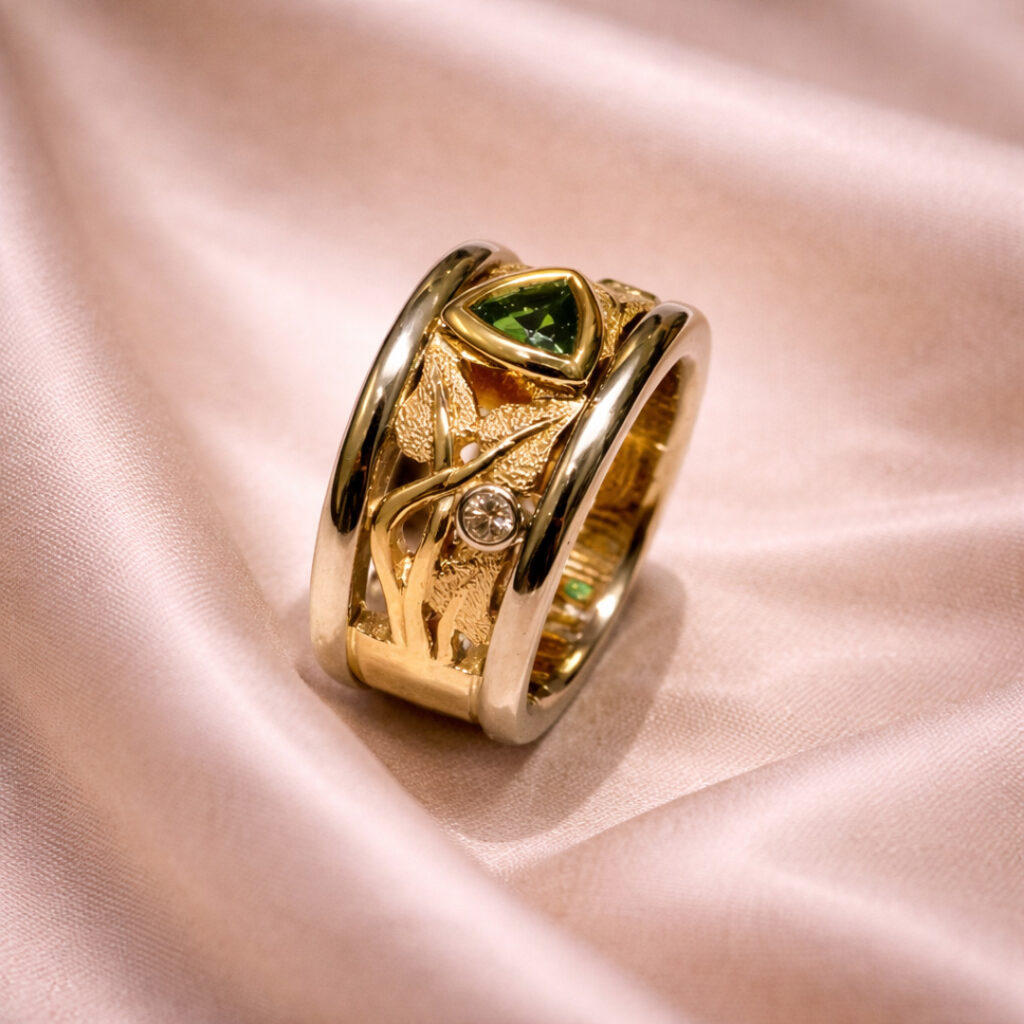
For a meaningful holiday gift that is designed around the recipient, explore our custom rings to see examples of individually crafted jewellery.
By starting in September, there’s less temptation to skip steps like additional sanding, re-measuring, or an additional quality check before shipping. Complicated requests, like a fully custom pattern, a family crest, or multi-language engraving, are more achievable when the maker isn’t cranking away during the last two weeks before Christmas, which is the craziest time for all shipping companies. This timing helps you avoid rushed work, where small mistakes or weaker joins reveal themselves only after the gift is unwrapped.
The value of a bespoke piece goes beyond the materials themselves; it also comes from the skill, experience and goldsmith craftsmanship involved in bringing the design to life.
2. Material Availability
Early ordering leads to first pick of fabrics, woods, metals, and specialty trims before holiday demand depletes inventory. Many seasonal colors and finishes, such as deep green velvet, gold foil paper, or small-batch ceramic glazes, sell out as online shopping spikes. Once an item is on backorder or discontinued, designs may have to shift and those shifts can disappoint if you had a vision.
With custom orders beginning in September, there is more time to find a desired shade, texture, or finish, or to approve a substitute when necessary. This minimizes the chance of the last-minute trade-offs that occur when all that’s left are the second-choice colors or lower grade materials. It reduces backorders waiting for restocks at just the time shipping networks are strapped and packages may be in transit longer than they were last year.
3. Iterative Revisions
Custom stuff gets better with a couple rounds of input. Starting early means the maker has time to send you design sketches or digital mockups, then tweak text, colors or layout step by step. A customer might decide to alter a name format, add a date, or swap an image after seeing the initial draft, and it’s far easier to accommodate when there’s breathing room in the schedule.
Once orders start arriving in late November, each revision chips away at an already narrow production and shipping window. This can shove delivery into the two weeks before Christmas time period, when shippers are overloaded and last-minute orders are particularly dangerous. By tracking every change in a straightforward revision log or table — version numbers, dates, approved edits — you keep both client and maker on the same page and minimize confusion. This then lowers the risk of refunds or complaints over a misunderstanding.
4. Logistics Buffer
Early custom orders build a buffer for things no one can fully control: shipping delays, supply chain issues, or severe weather. Production itself can simply take longer in the holiday season, as makers juggle multiple projects and carriers process massive volumes as online shopping rises. If a piece is completed and shipped well before December, it has more space to buffer a missed connection, customs hold, or local delivery backlog without missing the holidays.
This buffer helps enable more realistic holiday order deadlines. When a business can advertise, for instance, “custom orders close 30 November for pre-Christmas delivery,” it helps set expectations and reduces stress all around. Customers save the stress of refreshing their tracking code multiple times an hour, and artisans alleviate the strain to provide expensive rush work or overnight shipping to compensate for a tardy start.
Planning ahead is especially important when a gift has a firm delivery date, because shipping and handling times should be considered when selecting a delivery option.
5. Cost Stability
Holiday custom orders in September help us and you lock in the current prices before materials and labor costs go up for the season. At peak months, certain vendors increase prices, and lots of carriers put on surcharges, particularly for express. When work must be hurried or shipped with expedited services, clients are frequently left with an increased final invoice than anticipated.
The December Deadline Trap
The December deadline trap is what occurs when custom orders meet peak holiday demand and squeezed delivery windows. Makers and customers both bite the bullet, and even carefully scheduled projects slide. A distinct holiday order deadline is among the handful of things that legitimately aid in alleviating this stress and establishing reasonable expectations on all sides.
The main risks of waiting until the last minute for custom orders include:
- Limited stock of key materials or colors
- Longer production queues, even for simple items
- Rushed work that raises the chance of mistakes
- Higher prices for rush work or express shipping
- Riskier it won’t make it before the holiday.
- More stress and back and forth for both the buyer and seller.
When orders stack up in early and mid-December, each step grinds to a halt. Makers may require additional time to procure fabric, wood, or hardware. Carriers are frequently delayed, even on priority parcels, since they have far more volume than typical. Orders near the posted holiday deadline linger in the danger zone of what is feasible, so even a slight delay pushes them beyond the date. For this reason, lots of sellers inflate their regular lead times in December, even if their production averages appear fine in other months.
A holiday order deadline, well set and honored, helps you avoid a lot of these problems. Historical data on production times, shipping performance and past holidays can help guide this date. If a shop typically requires 5 days to craft an item and 5 days to deliver it, they may establish a holiday cut-off at least 14 to 16 days before the critical date, not 10, to accommodate unexpected delays. Extending that deadline to catch a few more last-minute sales often brings a different cost later: unmet expectations, late gifts, refund requests, and complaints from people whose orders arrive after the holiday.
Specific wording like ‘for best chance of Christmas delivery, order by 5 December’ provides a more truthful image. It cautions that late orders are accepted, but they’re on a ‘riskier’ basis. Clients seeking a made-to-order piece in time steer clear of a lot of this pressure when they schedule and initiate their project early — before the December deadline trap springs.
Creative Freedom and Personalization
Holiday custom orders create room for your own, little concepts and minutia and design authority that generic, off-the-rack artifacts scarcely provide. This freedom is exhilarating and a little overwhelming, so a well-defined skeleton keeps the process cool and fun.
Custom Finishes
Custom finishes allow you to customize how a piece feels at first touch. Clients frequently select stains, paints, and clear coats to manage warmth, depth, and sheen. A deep walnut stain on a wooden serving board complements a timeless table, and a matte white paint on a decor piece matches a crisp, contemporary room. These decisions assist in articulating individual style in an explicit and evident manner, which is why so many folks consider the outcome more significant and memorable.
It’s important to be able to match finishes to your existing décor for those holiday pieces that have to fit into your home, office, or event space! A candlestick could reflect a soft grey on the sofa, or a metal bauble could correspond to the brushed steel kitchen fixtures. Others arrive with swatches of fabric or computer color codes so the maker can match hues with love. Exact spacing and placement of color blocks, stripes, or borders may be important for more particular clients who want the resulting aesthetic to reflect a defined vision.
Specialty techniques introduce a third dimension of selection. Distressing can add that vintage vibe to a wooden advent calendar and just a hint of gilding around edges can coordinate back to other metallic tree accents. Hand-paint on names, dates, or short messages and a simple tray becomes a small family keepsake. These additional techniques can be explored via finish samples, which customers examine and sign off prior to final work beginning. That step shelters both parties from mismatched expectations and reduces stress when many possibilities could otherwise feel daunting.
Structural Variations
Structural modifications transcend pigment and texture, providing control over how something functions and fits. In the hustle and bustle of the holiday rush, this can be crucial with everyone shuffling around small houses, apartments, and multi‑purpose rooms. They can be customized and personalized. Dimensions can be adjusted so a gift or décor item rests perfectly on a narrow shelf or beneath a low ceiling. A 60 cm wreath can contract to 40 cm to fit through a doorway, or a serving board can stretch long enough to cover a given dining table.
Function can be a motivator for structure. With storage, lighting, and modular components, it transforms a decorative item into something that assists in everyday life. A bespoke centerpiece could conceal a narrow cabinet for candles and matches. A holiday display stand could have integrated LEDs so you don’t have to deal with loose cables or have modular sections that pack flat once the season is over. Being able to move, resize, and rearrange elements inside these skeletons — even late in the design stage — has a similar impact on satisfaction because users witness their concepts come to life without beginning from scratch.
Easy in / easy out and comfort are other frequent motivations to customize standard designs. Height modifications assist wheelchair users in accessing shelves on a bespoke holiday bar cart. Handle shapes are adjustable so elderly relatives with arthritis can grip them with less effort. Certain perfection-minded clients prefer millimeter-level spacing of shelves or hooks, which can make a difference when you’re hanging up stockings or ornaments in a straight, even row. Those little tweaks can be cathartic in their own way, providing a feeling of control and organization in a hectic season.
With so much to choose from, some folks like a tour guide. Makers frequently provide you with a couple of base layouts, like templates, that already appear balanced. From there, the client adjusts height, width, or layout zones instead of designing everything from scratch. It makes the creative work fun, avoids decision fatigue, and keeps motivation high. Digital renderings or hand sketches back this up, allowing clients to preview front, side, and top views and experiment with different configurations prior to production. When necessary, a professional designer can step in, walk through trade-offs, and recommend small tweaks that save time and frustration down the line.
Tailored Additions
 It’s these tailored additions that inject the fine detail that frequently transforms a good gift into something that feels personal. These are the elements that show thought: a certain latch style, a phrase in a chosen language, or a small hidden part that only the recipient knows about. Most of my clients discover that concentrating on such small decisions is actually calming. It is a very tangible way to consider the individual who will be wearing the piece and how they will wear it.
Possible add‑ons include:
- Custom engraving (names, dates, short messages)
- Decorative hardware (handles, knobs, hinges)
- Fabric or ribbon trims around edges
- Inlay work with metal, wood, or stone
- Hidden drawers, slots, or pockets
- Magnetic closures or secret latches
- Interchangeable panels or tags
- Integrated holders for cards, notes, or photos
Embedded goodies and mechanical pieces always pop in holiday custom orders. A box could incorporate a secret drawer for a note or little gift card. A wooden calendar could have magnetic tiles that swap and shift as plans do, tying back to that desire for easy editing without a total redo. They can rearrange placements, try new patterns, and even revert to older ones, all while maintaining the base piece. For others, the process of rearranging and perfecting these pieces is part of the seasonal tradition and provides a calm escape.
| Add‑On Type | Example Use Case | Main Benefit |
|---|---|---|
| Engraving | Name and year on an ornament | Clear personal link to the recipient |
| Decorative hardware | Brass knobs on a gift box | Adds visual weight and character |
| Fabric / ribbon trims | Edge trim on a stocking | Ties colors to existing décor palette |
| Hidden compartments | Secret slot for a message or key | Creates surprise and private meaning |
| Interchangeable parts | Swappable name tags on place holders | Easy to reuse with different guests |
| Magnetic elements | Moveable icons on a holiday planner board | Fast editing without visible damage |
How much guidance it provides here can vary by individual. Some desire total freedom to select each add-on. Others want a small selection chosen by the maker to keep it light. Either way, having the opportunity to customize these additional elements fosters a feeling of ownership and understated satisfaction in the completed work.
The Hidden Production Economy
That’s the hidden production economy sitting behind every holiday custom order. It’s the blend of planning, labor, inventory, and tiny daily decisions that most consumers never observe, but which influences cost, velocity, and excellence in a major way.
Advance orders allow makers to schedule their time and employees in a relaxed manner. When a workshop knows its volume by October for December holidays, it can map clean shifts, plan time off, and avoid screaming overtime. This is the case for most holidays, from Christmas to Diwali or Lunar New Year, when spending spikes and factories, printers, and small studios all experience the same push. These early indicators influence how much cloth a tailor orders, how many presses a printing house keeps humming, and even how many temp workers they hire for boxing or shipping.
Given sufficient advance notice, teams can batch like work and eliminate waste. A print studio can operate all red-ink cards together in one batch, rather than having to stop and clean the press 10 times a day. A baker could stir up one big dough ball for a batch of custom cookies, rather than numerous little ones. This sort of batching reduces waste, conserves energy, and optimizes every square meter of space. It helps prop up steadier holiday jobs in retail, warehousing, and delivery, rather than frenzied, unsafe rush work.
Early custom orders connect to more deliberate and frequently greener decisions as well. When brands aren’t trapped in last-minute mode, they can ship goods by slower sea instead of rush air or co-load freight with others. That reduces fuel consumption and reduces error rates, which is significant in an industry where holidays such as Valentine’s Day and Diwali can represent as much as 40% of annual spend in certain markets. It mellows the ‘borrowed time’ vibe of holiday buying, where consumers and retailers alike rely on income or credit down the road and can overlook price increases from inflation.
When production goes a little quieter, some of those two-earner gains can be passed back to early buyers — lower prices, free shipping, upgrades. That goes a long way toward relieving the economic anxiety so many of us experience anticipating overspending on travel, tourism, dining, and gifts every season — even as these very habits sustain local stores and under-the-table side work that stays under the table.
Plan Your Custom Project
Planning a holiday custom order begins with clear objectives, not speculation. Before selecting items or designs, consider your gift recipient and what would feel authentic, not contrived. A useful test is simple: would this person spend their own money on this item? If not, the present might feel wasteful, customized or not. Whether you’re shopping for one premium gift or bulk-size orders like corporate sets for an entire team.
Budget follows and it operates most effectively when established early. They make the rookie error of shopping first and budgeting later. That usually results in splurging or selecting gifts that are flashy but don’t fit the receiver or occasion. For groups, determine a concrete per-head figure first, for example, 3, 4 or 5 children per person and then use that as the anchor for all decisions. This simplifies your decision whether you’re selecting custom glassware, branded tech accessories or little holiday gift boxes.
Timeline planning is crucial. There is no universal cutoff date for bespoke work because each project has its own steps: design, mockup approval, production, and shipping. The clock begins with final approval and payment, not first email. Include buffer time for internal decision, design modifications, and shipping delays, particularly for big or international shipments. Early planning opens more doors: better stock levels, wider personalization options, and more control over delivery dates.
They design choices that make or break a custom project. Giant logos, weak contrasting colors, or artwork that doesn’t conform to the shape of the item can completely kill an otherwise great concept. Request a mockup with your quote so you can visualize what the design will look like in real life. This lets you verify logo size, placement and legibility before anything goes into production.
Meet with [Business Name] early for a quick, focused consultation. Tell us about your budget, headcount, timeline, and a few example pieces you love. Anticipate help with product picking, design adjustments, and timeline strategizing from initial concept to ultimate drop-off, so your personalized holiday order remains timely and on target.
When purchasing online, it is also worth reviewing the seller’s contact information, terms of sale, shipping policies, and return or exchange policies before completing the transaction.
Conclusion
Holiday custom orders require time, room, and definite plans. Shops turn quick in the high months. Crafters multi-task. Holiday shipping slows down. Last minute rush slashes selection and increases anxiety.
The earlier in the season you order, the more input you have on style, color, size, and little quirks. A parent can tweak a kid’s quilt. A pal can coordinate a mug with a home office. A partner can write a little note on a tag that remains with the gift for decades.
To schedule your next holiday custom order, lay out a rough budget, select a trusted artisan, inquire about lead time, and note key dates on a basic calendar. Get a jump on your holiday list and contact a maker before their slots are full.
Frequently Asked Questions
When should I place holiday custom orders to avoid delays?
Place your order 6 to 8 weeks in advance of your holiday date. This allows for design, revisions, production, and shipping times. Early orders bypass rush fees and last-minute stress and improve the likelihood your maker can accommodate your project.
Why do makers need so much time for bespoke holiday creations?
Custom work moves through a full creation cycle: consultation, design, approval, sourcing, production, and quality checks. All of these steps take time, particularly with peak season upon us. Makers often have multiple orders, so early booking saves your place in their queue.
What is the “December deadline trap” for holiday custom orders?
Holiday orders – December deadline trap – waiting too late to order. By December, most makers are booked solid, supplies might be running low and shipping is more sluggish. This always results in frantic decisions, additional fees, or not getting it in time for the holidays at all.
How much personalization can I expect with a custom holiday order?
You can generally personalize for size, colors, materials, message, and design elements. The sooner you order, the greater artistic license you and the artisan share. If it’s a last‑minute order, then you’re stuck with what we have or what is partially designed.
Why do custom orders sometimes cost more than ready‑made items?
Custom pieces have design time, one-on-one communication, prototypes, specific materials and careful finishing. Makers include buffers for revisions, waste and peak-season scheduling. It’s not just the materials you’re paying for; it’s the product and know-how behind it.
How can I plan a smooth custom project for the holidays?
Begin with a defined concept, budget, and timeframe. Submit reference photos and must-have specifics. Inquire with your creator concerning their schedule, deadline, and edit policy. Make sure you have it all in writing regarding delivery expectations, shipping method, and more before you pay the deposit.
What if I missed the holiday custom order cutoff date?
You’ve still got options. Inquire regarding semi-custom designs, minor tweaks to existing items or digital gift certificates. Lots of makers have “design now, make later” presents, so the giftee becomes part of the creative process after the holiday frenzy.