
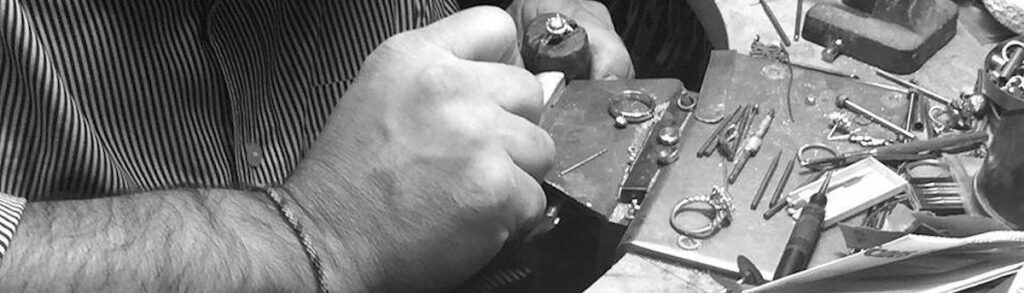
If you’ve ever found yourself staring at an old ring, a broken necklace, or a family heirloom that hasn’t been worn in years, you’re not alone. Many people own jewellery pieces that once held promise but now feel outdated, worn, or simply out of step with current style. The good news? Those pieces don’t have to sit untouched. You can repurpose jewellery, explore jewellery repair in Edmonton, or even redesign it into something fresh and meaningful. At Mark Katzeff Designer/Goldsmith Inc., we believe every piece—no matter how worn—can be given new life. Whether you’re thinking about a simple fix or a full‑blown redesign into custom heirloom jewelry, this guide walks you through your options, helps you decide what’s smart, and shows you how to make the most of what you already own.
Key takeaways
- You have three solid options for old or broken jewellery: repair, redesign, or sell (or some combination).
- Understanding condition, sentimental value, material worth, and fashion relevance helps you decide which route to take.
- When you choose redesign or repurpose, working with a skilled goldsmith like Mark Katzeff gives you artistic flexibility and superb craftsmanship.
- Repair isn’t just about making it wearable—it’s about ensuring durability, fit and renewed aesthetic.
- If you sell or melt down, knowing market value, fairness and your personal goals is vital.
- Planning ahead ensures that whatever you choose—repair, redesign or sell—you end up with a piece you’ll actually wear, love and pass on.
Why Do Something With Old or Broken Jewellery?
Old jewellery—whether broken, outdated, or simply stored away—is not just clutter. It holds material value, emotional value, and potential value. Let’s unpack why choosing one of these action‑paths (repair, redesign, sell) is genuinely worthwhile.
Material and aesthetic value
Even when a piece looks “tired,” the metal, stones and craftsmanship often still hold real value. A broken chain may only need a link replaced—but the gold remains. A faded pendant may just need a polish and re‑setting to shine again. Rather than letting a valuable asset sit, you can effectively breathe new life into it.
Emotional and heirloom value
Many pieces carry memories: a gift from a parent, something passed down, or a milestone treat. The emotional component often outweighs the purely monetary one. By repurposing or redesigning, you preserve that story while making the piece wearable again. It meets both the heart’s need and the eye’s need.
Sustainability and smart consumption
Instead of buying entirely new jewellery, repurposing or repairing draws on what you already have. This is a greener, smarter way to refresh your wardrobe. It sends the message that you care about your pieces, about craft, and about longevity.
Avoiding regret and waste
Walking away from old jewellery with no plan means you might lose the chance to use something meaningful simply because it seemed “too hard.” By deciding to act—either to repair, redesign or sell—you reclaim control. And with a professional like Mark Katzeff by your side, you avoid the “someday I’ll fix it” trap.
Option 1: Jewellery Repair
Repair is the simplest, most direct option. If you have a broken clasp, missing stone, bent prong, or a chain that snapped—repair might be all you need.
What counts as repair?
- Replacing broken clasps or jump rings.
- Soldering or replacing snapped chain links.
- Fixing or replacing prongs that hold stones.
- Re‑polishing and re‑plating jewellery that has lost finish.
- Tightening loose stones or resetting them.
- Straightening bent pieces.
When repair is the right choice
Repair is ideal when:
- The piece still fits your style and you want to keep it mostly as‑is.
- The cost of repair is reasonable compared to the piece’s value or your sentimental investment.
- The damage is limited and the piece is safe to wear after repair.
- You don’t want to redesign, just restore.
What to ask in a repair consultation
When you bring your piece to the shop (e.g., Mark Katzeff’s studio in Edmonton) ask:
- What exactly needs repairing? Get a breakdown of work needed.
- Is structural integrity affected? A bent ring or missing prong could risk stone loss or damage.
- How much will it cost vs. value? Make sure it’s worth restoring.
- What finish will it have after? Polishing, re‑plating methods, etc.
- Is there a warranty or follow‑up? Good craftsmen offer follow‑up.
- Will the piece still reflect my style? Make sure you’re happy with how it looks post‑repair.
Things to watch out for
- If a piece has multiple missing stones or is significantly bent, “repair” may only be temporary. You might end up paying more long term.
- When metals are worn thin (especially antique pieces), repair might require reinforcement—so the cost may rise.
- If the design is outdated and you’re unlikely to wear the piece again, repair alone might not solve your underlying issue (that you don’t like it or don’t wear it).
Option 2: Jewellery Redesign & Repurpose
This is where the creative fun begins. Instead of simply repairing, you take what you have and turn it into something entirely new, updated, meaningful. At Mark Katzeff Designer/Goldsmith Inc., this is a specialty. markkatzeffdesigns.com+1
What does redesign/repurpose involve?
- Taking gems or metals from an existing piece and creating a new setting (for example, a vintage diamond ring re‑set as a modern pendant).
- Converting multiple older pieces into one meaningful new piece (for instance, merging several gold chains into a layered bracelet or custom cuff).
- Applying contemporary design elements, using exotic/unique materials (Mark works with materials like mammoth ivory, meteorite, etc.) businessinedmonton.com+1
- Altering form: changing drop length, changing shape, adapting to current style while retaining sentimental or material value.
- Customizing entirely: working with a goldsmith to sketch, prototype and craft something brand‑new using your old materials or inspiration.
Benefits of redesign/repurpose
- You preserve sentimental stories while getting a piece you’ll actually wear.
- You get the best of both worlds: heritage + fresh design.
- It often costs less than buying a brand‐new designer piece while delivering unique style.
- You reduce waste and make meaningful use of what you already own.
- With a goldsmith like Mark, you get personalised service, high craftsmanship, and the option to participate in the design process. businessinedmonton.com+1
When redesign is the ideal choice
Choose redesign when:
- You have a piece(s) with sentimental or material value but you don’t wear them.
- You like the idea of something custom and personal.
- The piece’s original design no longer fits your style but the gems/metals are still worth something.
- You’re ready for a fresh look and want that unique piece you won’t find off the shelf.
- You’re working within a budget and want to maximise value.
Process overview
- Consultation: You meet (virtually or in person) with Mark at his Edmonton boutique. You bring the old piece(s), share your vision, budget, preferred materials.
- Design concept: Sketches or CAD model created. You look at options: maybe a pendant, maybe a bracelet, maybe a combination.
- Material review: We evaluate the existing pieces—gemstone quality, metal weight, condition.
- Work and fabrication: The goldsmith crafts the new piece, possibly tweaking stones, adding metal, refining design.
- Handover & styling: You see the finished piece, ensure you love it, get care & maintenance advice.
- Follow‑up: Good goldsmiths like Mark often provide service or adjustment later on.
Real‑life examples
- A grandmother’s vintage diamond brooch becomes a sleek, modern pendant you wear every day.
- Multiple broken gold chains melted and re‑configured into a bold cuff bracelet.
- A worn wedding band with fading gold reset into a mixed‑metal ring with added side stones—still sentimental but far more wearable and modern.
- An heirloom diamond from a broken ring reused as the centre stone in a newly designed custom engagement ring.
Option 3: Sell or Melt Down Old Jewellery
Sometimes repair or redesign isn’t the right path. Maybe the piece lacks sentimental value, is too worn, or you’re looking to unlock budget for new jewellery. In those cases: selling or melting down is a valid route.
What you need to consider before selling
- Market value: Precious metals and stones fluctuate. Know what your piece’s raw value is (e.g., gold weight, diamond specs).
- Sentimental vs market value: Emotional value may exceed what someone will pay. Be honest about expectations.
- Where to sell: Direct to buyer, through a jeweller, consignment, or scrap metal buy‑back.
- Costs: You may incur appraisal fees, cleaning, photography, listing.
- Tax or legal considerations: Depending on region and value, you may need documentation.
- Fair trade practices: Choose a buyer who is transparent.
- Alternative: melt down and reuse: If you’re working with a goldsmith like Mark, you may choose to melt down the metal and use it in a redesign—so you’re not “selling” it but repurposing internally.
When selling/melting is the smart call
- The piece is damaged beyond easy repair and redesign would cost more than its worth.
- The style is so outdated that you’re unlikely to wear it again even after redesign.
- You need the budget for new jewellery and prefer liquidating old assets.
- The sentiment is minimal and you have no plan for reuse.
- The piece’s materials are more valuable to you as raw metal or gem than the original design.
Tips for getting a fair sell/melt price
- Get multiple quotes—both from jewellery buyers and gold/metal recyclers.
- Get a professional appraisal especially if large gems or precious stones are involved.
- Clean the piece (if possible) to show condition.
- Keep any provenance or documentation (gemstone certificate, metal stamp).
- Compare scrap metal value vs. retail “jewellery in use” value—they differ.
- Ask about hidden fees or deductions (labour, cleaning, data).
- If using the metal in a redesign, discuss with your goldsmith how much value can carry over.
How to Decide Which Path: Repair, Redesign or Sell?
Choosing the right path means asking the right questions—and reflecting on your intentions, budget and style. Here’s a decision framework.
Step 1: Assess the piece
- What’s the condition? (broken, worn, outdated)
- What’s the material? (gold karat, platinum, diamonds, gems)
- What’s the style? (timeless or trend‑specific)
- What’s the sentimental value? (inherited, gift, milestone)
- What’s your budget and goal? (wear again, upgrade, sell)
Step 2: Review your intentions
- Do you want to wear this piece again? Or is it just sitting in a box?
- Are you attached to the current design, or open to change?
- Are you working to a budget?
- Do you want to keep legacy materials (metals/stones) or start fresh?
- Are you okay with “unlocking value” (selling) or is sentiment priority?
Step 3: Get professional input
Visit a trusted goldsmith like Mark Katzeff Designer/Goldsmith Inc. in Edmonton. He can evaluate the piece, show you what’s possible (repair vs redesign) and give you realistic cost estimates. Given his decades of experience and unique materials expertise, you’ll get an informed, honest assessment. markkatzeffdesigns.com+1
Step 4: Compare cost vs value vs enjoyment
Using the above, ask:
- Will repair cost X and result in a piece I’ll wear often?
- Will redesign cost Y and result in a custom piece I’ll love?
- Will selling give me Z dollars to reinvest in something I will love?
Step 5: Commit to the path and follow through
Once you decide, make the plan.
- If repair: schedule it, ask about timing and service.
- If redesign: book consultation, review sketches, materials, sign off.
- If sell/melt: pick buyer, clear documentation, transfer piece.
Tips and Insights for Working with a Goldsmith
Since redesign and repair are best done with a skilled artisan, here are some practical tips when working with someone like Mark Katzeff.
Bring photos and inspiration
Show the old piece, and ideally show images of jewelry styles you like. This helps the designer bridge “what you have” and “what you want”.
Be clear about budget
Good goldsmiths respect budget constraints. Mr. Katzeff mentions he works within clients’ parameters of style, size, budget. businessinedmonton.com Being upfront ensures the process stays smooth.
Consider material mix and uniqueness
If your old piece uses standard gold/stone, redesign might introduce unique materials—Mark works with unusual materials like meteorite, mammoth ivory—giving your piece an edge. businessinedmonton.com+1
Participate in the design process
Many clients enjoy seeing sketches or prototypes, giving feedback, and seeing the work in progress. This involvement increases satisfaction and ensures the finished piece matches your vision.
Ask about future service
Jewellery will wear over time. Ask about cleaning, drills, setting checkups. A goldsmith serious about craft, like Mark, offers after‑service care. businessinedmonton.com
Take good photos and record details
Before handing over your old piece, photograph it, note any gems/metals, get any certificates. This helps with insurance and peace of mind.
Case Study: From Heirloom to Wearable Treasure
Let’s illustrate with a hypothetical (but entirely plausible) scenario based on what Mark’s studio does.
The starting point
Sarah inherited her mother’s 1950s cocktail ring—yellow gold, slightly worn, a medium‑sized emerald surrounded by small diamonds. The ring had sentimental value, but Sarah rarely wore it: the design felt outdated, the band was slightly bent, the emerald looked dull next to her modern wardrobe.
The consultation
Sarah visited Mark Katzeff Designer/Goldsmith Inc. in Edmonton. They examined the piece: yellow gold band worn thin, prongs slightly open, emerald looked good but setting outdated. They discussed options: simple repair, or full redesign into a modern pendant. Sarah liked the idea of wearing something unique, daily. They decided on redesign.
The redesign process
- They extracted the emerald and diamonds.
- They chose to melt the old gold and reuse it (reducing material cost).
- Mark proposed a custom pendant with a brushed white gold base, emerald centre, diamonds trailing down a tapered line. The design incorporated a small meteorite accent (Mark’s signature material) to make it unique.
- Sarah approved a sketch and saw a wax model.
- Fabrication began on site; Sarah returned to pick up the finished piece.
The outcome
Sarah now wears the pendant every week. The emerald is still meaningful, the diamonds still shining, the design modern and wearable. She preserved the sentimental value, upgraded the style, and turned an “unworn ring in a drawer” into a favourite piece. The cost was reasonable because she reused materials and invested in a design she’ll wear.
Why it worked
- She had professional advice, craftsmanship, and a clear goal.
- She recycled what she already had—smart budgeting.
- The new piece matched her style and lifestyle.
- The process gave her ownership of the story and design.
Cost & Time Considerations
It’s realistic to ask: what will all of this cost and how long will it take? With a boutique studio like Mark’s, here are some general guidelines.
Cost drivers
- The extent of repair or redesign. More design elements = higher cost.
- Materials & stone condition: if stones are damaged or weak metals, extra work needed.
- Labour: hand‑crafting takes time; more complexity = more time.
- If you’re using exotic materials (meteorite, mammoth ivory), cost goes up.
- Custom design often starts higher than basic repair because you’re paying for creativity, uniqueness, and skill.
Typical ranges
- Simple repairs (chain fix, re‑clasp, pearl re‑string): modest ($50‑$300) depending on piece.
- Medium redesign (resetting stones in new setting, changing to pendant): modest to mid ($300‑$1,500+) depending on materials.
- Full custom one‑of‑a‑kind redesign (unique materials, large stones, elaborate design): can reach several thousand.
- Selling/melting often yields value based on material weight and gem value; cost is minimal but yield may be moderate.
Timing
- Repairs may take days to a few weeks.
- Redesigns typically take several weeks—design, approval, fabrication, polishing.
- Custom high‑end redesigns might take a month or more.
- Always ask for realistic time frames during consultation.
Value perspective
Remember: the value isn’t just cost. If you end up with a piece you’ll wear, love and that carries meaning, the “wear‑per‑dollar” value improves dramatically. A cheap piece you never wear loses value. A well‑done redesign becomes part of your story and wardrobe.
Common Myths & Misconceptions
Let’s bust a few myths so you’re more informed.
Myth: “If a piece is old, it’s worthless.”
Truth: Even if a piece looks worn, the metal and stones often retain value—both monetarily and sentimentally.
Myth: “Repairing is cheaper than redesigning so I should always repair.”
Truth: Not always. If the piece is outdated or has structural issues, repair may cost more in the long run or you may never wear it. Redesign could be smarter.
Myth: “Selling is the same as melting down—I’ll lose all value.”
Truth: Selling to the right buyer or refurbishing gives you options. If you choose to reuse metals in another design, you retain material value and sentimental value.
Myth: “Custom design is only for very rich clients.”
Truth: While custom can be high end, many studios (like Mark’s) offer redesign or repurposing services at accessible price points by reusing existing materials and working within budget. businessinedmonton.com
Myth: “Once jewellery is broken, it’s hopeless.”
Truth: Most jewellery damage is repairable or repurposable. The key is to act with professional input.
Why Choose Mark Katzeff for Your Jewellery Transformation
When you’re dealing with old jewellery—repairing, redesigning or repurposing—you want a goldsmith who combines artistry, experience, and personal service. That’s exactly what you get at Mark Katzeff Designer/Goldsmith Inc. in Edmonton.
- He’s an award‑winning goldsmith with decades of experience. businessinedmonton.com+1
- He works with unique materials and custom design concepts, not just “off‐the‐shelf” fixes. markkatzeffdesigns.com+1
- He offers restoration and redesign services alongside brand new creations. markkatzeffdesigns.com
- He emphasises client involvement—sketching, approving, participating in design. businessinedmonton.com
- He is highly rated and trusted by clients. Reddit+1
In short: whether you’re repairing a broken chain, redesigning your grandmother’s ring, or melting down old gold to create something new—you’re in good hands.
Summary & Next Steps
So here’s your action plan:
- Gather your old or broken jewellery. Take stock of what you have, note condition, metals, stones, sentimental value.
- Decide your goal. Do you want to simply repair and wear again? Or redesign into something fresh? Or sell/melt and reinvest?
- Book a consultation with Mark Katzeff. Bring your pieces, your inspiration pictures, your budget. At his Edmonton studio you’ll get the professional guidance to decide.
- Choose your path. After the consultation, pick repair, redesign or sell—make the commitment.
- Enjoy the outcome. Whether you’re wearing a repaired piece, a new custom redesign, or you’ve sold and reinvested, you’ll feel better knowing you acted and leveraged what you had.
At the end of the day, old or broken jewellery doesn’t have to hold you back. It can push you forward—into something beautiful, new‑life, meaningful. And working with someone like Mark Katzeff makes the transformation not just possible, but enjoyable and inspiring.
FAQs
Can all jewellery be repaired or redesigned?
Most jewellery can be repaired or redesigned, but some pieces may have structural issues, very worn metals, or stones that are too damaged. A professional evaluation determines whether repair is safe, redesign is practical, or whether sale/melting is more sensible.
How much will redesign cost compared to buying new jewellery?
It varies widely, but redesign often uses your existing materials (metal/stones) which reduces cost. Plus, you get unique design rather than off‑the‑shelf. Though custom work does carry a premium, many clients find it delivers better value in wear‑life and uniqueness.
Does selling my old jewellery mean I lose everything?
Not necessarily. If you sell, you free up resources for something you’ll use. If you choose to melt down and reuse the metals, you retain material value. Either way, making a conscious decision is better than ignoring the piece.
How long does redesign typically take?
From initial consultation to finished piece, redesign often takes several weeks—depending on complexity, materials, and workload. Repairs can be quicker. Always ask your goldsmith for estimated timeline.
Will my redesigned piece still hold value?
Yes. A well‑made piece by a skilled goldsmith retains material value and often carries more wear‑life and meaning. The sentimental and aesthetic value may far exceed what the original piece offered.
What if I don’t like the repair or redesign when I see the finished piece?
Good goldsmiths include review and approval phases (sketches, prototypes). Make sure you’re satisfied at each stage. Ask about revision options and final sign‑off to ensure you end up with something you love.
Conclusion
You own jewellery that tells a story—whether that story’s been paused or worn out, it doesn’t have to end there. You can repurpose jewellery, explore jewellery redesign, or opt for jewellery repair in Edmonton—whatever best fits your goals and budget. Each piece, no matter how old or broken, carries potential. With the craft, artistry and personal approach of Mark Katzeff Designer/Goldsmith Inc., you’re not just repairing or redesigning pieces—you’re revitalizing memories, creating new favourites and investing in something you’ll treasure.
If you’re ready to act, book your consultation today, bring your pieces, and let the journey begin. Your jewellery deserves that second chance.Next step: Reach out to Mark Katzeff’s studio in Edmonton, schedule a no‑obligation consultation, bring your old or broken jewellery, and unlock the possibilities.
We also offer an extensive collection of custom and stock rings:
- Engagements Rings
- Wedding Rings
- Ladies wedding rings
- Men’s wedding bands
Let Mark Katzeff help you find what you want that not only inspires you but meets your budget. Call for a free consultation today!
Out Of Town Custom Jewellery Store Customers
Mark Katzeff attracts clients from all over the world to visit his unique jewellery store in Edmonton, here are some of his top links in staying here when meeting with our team, try some of the other attractions!!