
- Key Takeaways
- Why Choose Custom Class Rings?
- The Custom Class Rings Design Process
- Sentimental Symbols and Personal Details
- Wearability, Ergonomics, and Materials
- Shift Toward Everyday Heirlooms
- Mark Katzeff Designer Goldsmith
- Conclusion
- Frequently Asked Questions
- How long does it take to design and receive a custom class ring?
- What can I customize on a class ring?
- Are custom class rings comfortable for everyday wear?
- What materials are best for a lasting custom class ring?
- How do personal symbols add value to a custom class ring?
- Can a custom class ring become a family heirloom?
- Why work with a designer goldsmith like Mark Katzeff for a class ring?
Key Takeaways
- Custom class rings transform graduation jewelry from a trite adornment into a personal symbol of accomplishment, school pride, and memories. They assist in encapsulating the individuality of every student’s path in an enduring, wearable medium.
- A structured design process from initial consultation and concept sketches to 3D rendering and handcrafted production ensures every detail is tailored to the wearer. Planning early allows enough time for revisions, material selection, and careful craftsmanship.
- With customization options including heritage crests, contemporary designs and secret engravings, these pieces have beautiful symbolism. Graduates can select school crests, favorite activities or private messages that keep special people and moments close each day.
- Considered materials and ergonomic design make them comfortable and strong for everyday wear. Our readers can emphasize long-lasting metals, balanced ring proportions, and proper sizing to design a piece that is beautiful and comfortable for years to come.
- Including sustainable sourcing, like recycled metals or lab grown stones, lets buyers match their class ring to their values. Being curious about good practices and ethical certifications helps support more sustainable jewelry making.
- When you make your custom class ring an everyday heirloom, you’re embracing a long-term mindset well beyond the day of your graduation. By collaborating with expert designers and beginning the process early, readers can design a ring that honors the moment and transforms into a treasured family heirloom in years to come.
Custom class rings are individualized bands that signify a school, year and course of study in a vivid and permanent manner. Typical styles incorporate metal such as gold, silver, or stainless steel and include school logos, diamonds, and inscribed names or mottos. Most students select icons representing sports, clubs or academic disciplines, so the ring serves as both identification and personal narrative. Custom options typically include ring shape, stone color, side panels, and finish, allowing everyone to coordinate the ring to either everyday wear or occasions. In the following sections, the guide breaks down major decisions, price ranges, and long term care, so buyers may weigh their options and select a ring that suits style and budget.
Why Choose Custom Class Rings?
Custom class rings signify a distinct point in life. They transform years of toil, frustration, and minor victories into one cohesive, tangible chunk you can touch and sport. Unlike a picture that languishes on your phone, a ring remains on your hand in your line of sight every day.
A custom ring can display the complete form of your scholastic journey. You can select the stone color to coordinate with your school, include your major, your sport, a club you’re in or a cause you support. With more than 1,000,000 ways to customize, little decisions pile up quickly. Let’s say you’re an engineering student. You could select a basic band featuring a gear icon and a sapphire. A student in music may opt for a swirly script typeface and a treble clef on the side. Both rings are from the same school, but each one tells a different tale.
Mass‑produced class jewelry looks the same from student to student. It usually tracks a single base style with small modifications, like a date or name. Custom class rings shift the emphasis from just the school to the individual who traversed those halls. You can tailor the ring to your style, from a thin, simple band you wear every day to a flamboyant design with engraved sides and a massive stone. For some, they want a ring that doesn’t clash with the suit and tie at the office. Some want one that pops in a group shot. Both are legitimate and simple to schedule.
Custom class rings connect to a grand tradition! Class rings have their roots in the 19th century, where they began as a collective emblem of school spirit and responsibility. Now, custom design maintains that legacy but allows you to mold it to your lifestyle. The design process itself can be part of the memory: choosing symbols with friends, checking sizes, and seeing the design turn into metal. Crafted with all-solid, time-resistant materials, a quality ring can endure for decades, maintain its density and serve as a subtle reminder of the effort it took to obtain.
The Custom Class Rings Design Process
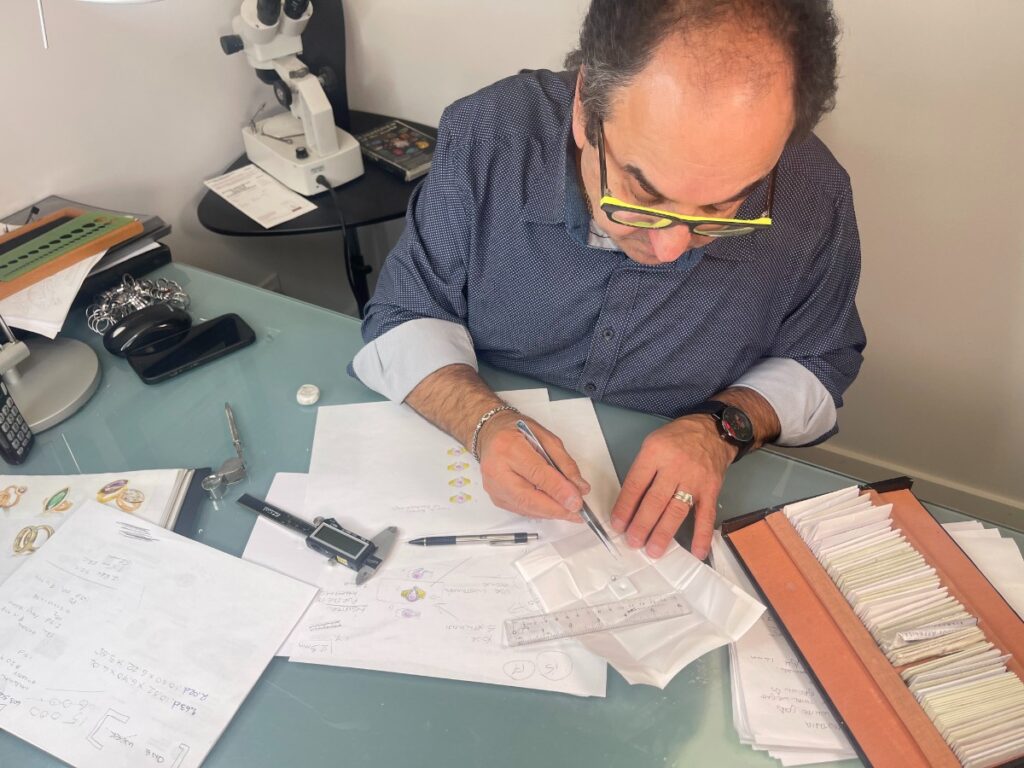
Our custom class rings’ design process goes from initial concept to timeless heirloom in distinct steps. Every step introduces options for text, icons, metals, stones and finish, so your ring represents a very specific school, year and story.
1. Initial Consultation
The initial phase is a dedicated meeting with a jeweler or design consultant, whether in person or virtually. You provide the school name, graduation year, and any official crests, as well as your personal style choices — bold, minimal, vintage, modern.
You then walk through core options: metal type, stone shape and color, engraving on the inside and outside, and side details like mascots or program emblems. None are allowed to bring sample trays and computer catalogs to most studios, featuring some timeless signet-style college rings, military-style bands, or thin bands for everyday wear.
It’s when you peruse past collections and classic designs for inspiration. A few graduates duplicate an existing family ring, while others choose obscure insignia or personalized emblems. The jeweler assists you in aligning those concepts with what’s doable.
The consultation finishes with delineated goals for price, timeline, and essential elements like a class crest on one side, initials on the interior, and the graduation year beneath the bezel.
2. Concept Sketching
Once the brief is established, artists and CAD designers translate it into hand sketches and computer generated outlines that display the general appearance of the ring. They mix school colors, major symbols and interests, like a music note, engineering gear or medical icon, all into one design that still reads clearly from a distance.
We discuss a few ideas, from traditional oval stones with carved shoulders to square bezels with a flat top or thin bands with a small insignia. Here you finalize the band shape, stone setting style, and if you want side accent stones so that the next step is laid out on a solid foundation.
3. 3D Digital Rendering
You can tune gem size for comfort, adjust engraving locations so text remains legible and change ring profiles from bulky to low-profile styles. The rendering allows you to compare metal finishes, stone colors, and layouts for custom text or logos before any metal is cast.
Only after you approve this 3D digital model does production proceed. This minimizes errors and assures that the finished ring will look exactly like what you saw on-screen.
4. Material Selection
With the digital design in place, you select the physical materials. Popular metals are white gold, yellow gold, sterling silver, and platinum, with different weight, shine, and wear over time. Some clients inquire about harder alloys that can resist scratches for everyday wear.
For stones, you have the option of birthstones, school-color gems, or more neutral alternatives like clear cubic zirconia or diamonds. Accent stones can line the band or nestle in the school crest. A lot of makers these days will share where metals and stones are sourced, so you can opt for recycled metals or ethically sourced gems if that’s a priority for you.
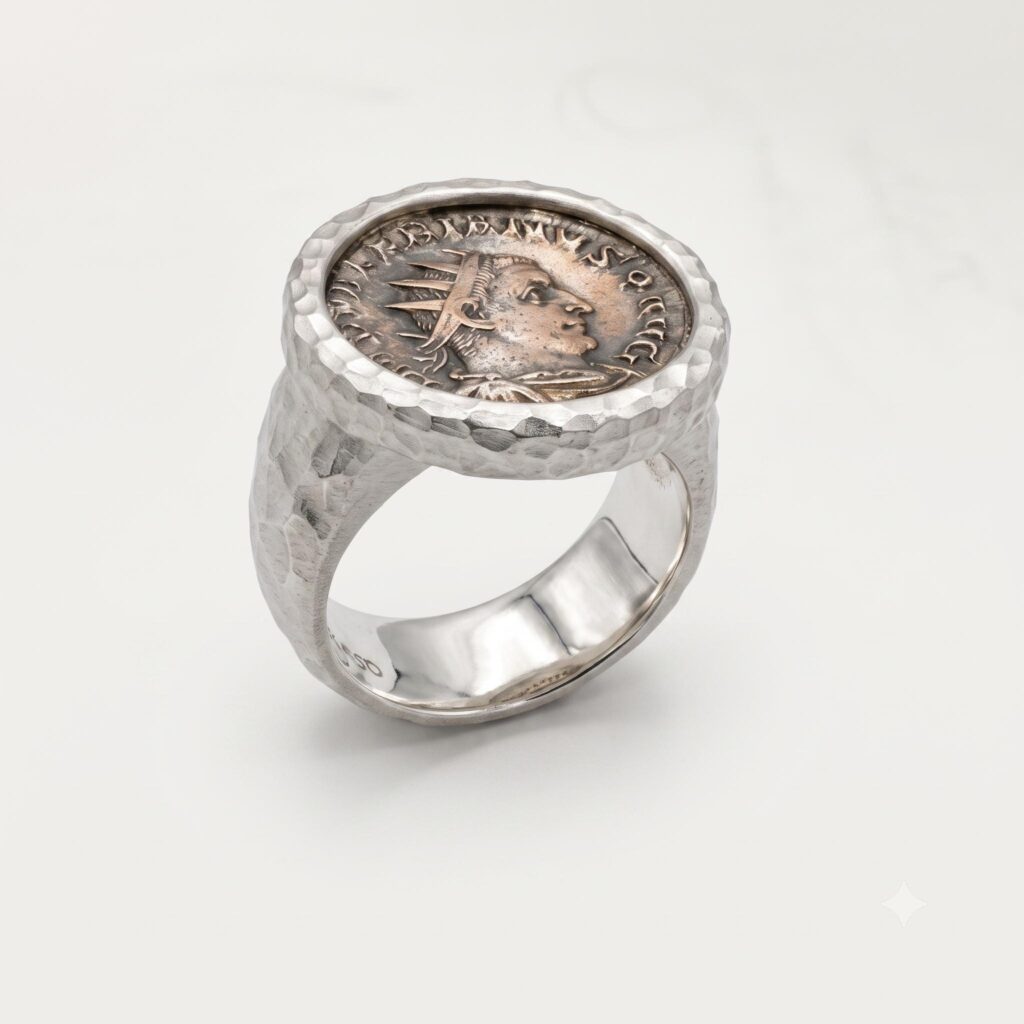
You choose additional accents, like colored enamel to display team colors, tiny diamond bezel accents or one-of-a-kind coin-ring style tops that encircle a seal. With so many factors involved, it’s not unusual for a workshop to provide you with more than 1 million possibilities of metals, stones, engravings and layouts.
5. Handcrafted Production
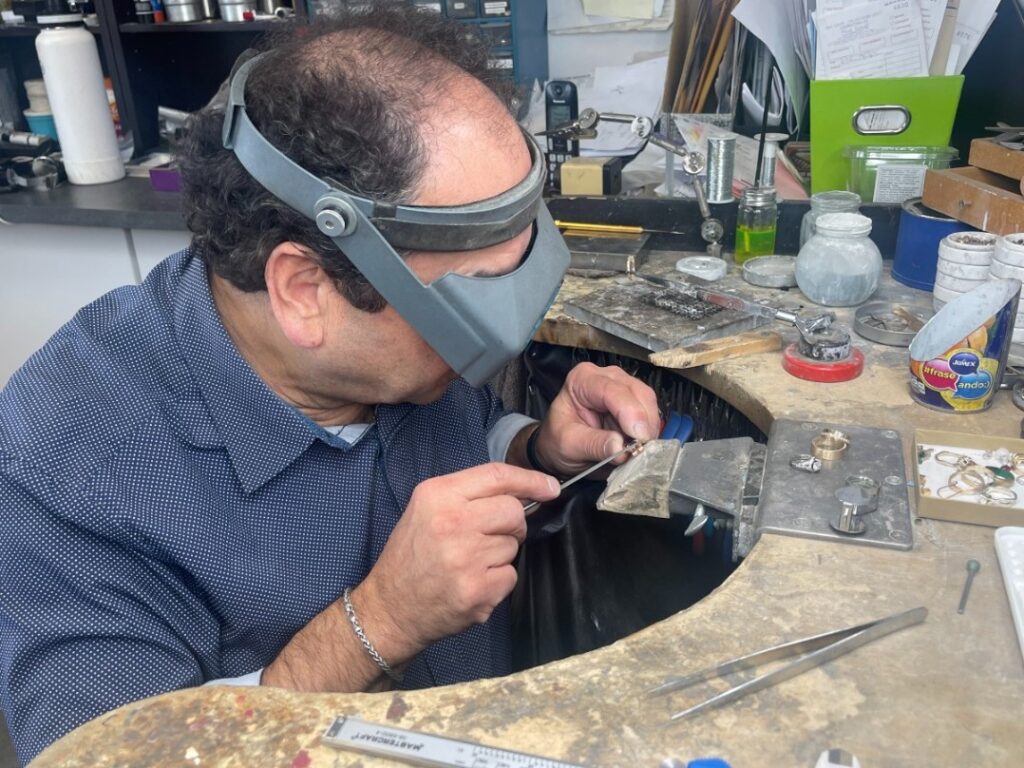
Manufacturing begins by establishing or revising master patterns, frequently wax-carved by master jewelers utilizing a combination of magnification devices and delicate hand tooling. These masters shape a multi-piece mold: two sides, an insert for the inner band, and a removable top section with the bezel design cut into it, which lets the foundry cast fine details like crests and text. People sometimes think this work is purely the domain of “perfect eyesight” but in reality, it mixes tools, training, and meticulous sampling at each step.
Molten metal fills the mold, then the coarsely cast piece is cleaned, sized, and polished. Stones are hand set, and engravings such as class year, initials, or quotes are applied inside or outside the band. Logos, mascots, and other symbols are cut or cast into place, so that no two rings are exactly the same. Quality checks ensure secure stone setting, readable text, and smooth edges, as this piece is destined to be worn and cherished for years to come.
Completed rings are typically backed by a lifetime structural warranty and accent stone loss coverage, with a presentation box and ‘metal and year’ paperwork. The end product is a personal artifact of a particular class and era, constructed through an intricate process of design and craftsmanship.
Sentimental Symbols and Personal Details
Custom class rings are often more sentimental than they are based on cost or metal. These small decisions, such as symbols, engravings, and stones, transform a standard template into a personal chronicle of study, sweat, and community that can accompany you for decades or even be handed down as a family heirloom.
Heritage Emblems
Sentimental symbols and personal details. Most begin with formal insignia – college crests, society seals, faculty emblems, as these symbols demonstrate the connection of the wearer to the larger community. School seals, graduation years, and major emblems often carry layered meanings. They point to your field of study, your cohort, and your place in a long line of alumni.
Others incorporate symbols for academic achievement, military service, or campus traditions. A law student might combine the scales of justice with the university crest, whereas a graduate who enlisted in the service could include a little branch insignia. These elements allow the ring to communicate not only accomplishment but individual personality as well.
Mixing heirloom motifs with contemporary lines prevents the ring from becoming too old-fashioned. You could inset a traditional crest into a slender, minimalist band or distill an ornate emblem down to a minimalist contour. Referencing official school logos or class crests is crucial. This keeps designs authentic and tasteful, which counts when a ring is supposed to represent an institution as well as an individual achievement.
Modern Motifs
Modern motifs move from tradition to contemporary taste. Others pick sleek bands, geometrics or engagement ring-inspired settings, especially if they will wear their class ring day-to-day on the right ring finger as is customary in the US.
Color is a big part of it. Colored stones, enamel in school colors, or a beloved birthstone can add a personal touch. A lab-grown stone from a parent’s ring reset in a class design can be both strongly sentimental and keep your style current. For those who’d rather not wear rings, these same motifs translate beautifully in a pendant or chain setting worn close to the heart instead of the hand.
| Interest / Activity | Modern motif idea |
|---|---|
| Coding or tech clubs | Circuit-inspired engraving, pixel-style icons |
| Theater or drama society | Mask symbols, spotlight-shaped stone setting |
| Environmental groups | Leaf outline, recycled metal band |
| Music or favorite bands | Subtle soundwave line, tiny note or guitar icon |
| Competitive sports teams | Angular bezel like a shield, engraved scoreline |
Hidden Inscriptions
Secret writing adds a more subtle element of symbolism. Sentimental symbols and personal details engraved on the inside of the band can hold initials, a graduation date, or a brief notation that a personal goal was reached, such as finally completing a degree after years of part-time study. They don’t alter the ring’s outward appearance, but they do alter the ring’s experience for the wearer.
Some people use inside engravings to fix shared memories: a short motto from a close friend group, coordinates of the campus, or a note from a parent who gave the ring as a graduation gift. Others commemorate family ties, particularly if a ring is intended to be inherited sometime down the road. A diminutive family crest or the first letters of each generation can transform the ring into a miniature family archive.
These personal notes allow the ring to serve as a constant reminder of dedication and advancement. Whether worn on a finger or a chain, or kept safe and brought out on special days, the combination of symbols, metals, stones and words can encapsulate both your own personal effort and a feeling of being a part of a bigger institution or community.
Wearability, Ergonomics, and Materials
Wearability, Ergonomics and Materials – Custom class rings best when they look meaningful yet still feel easy to wear every day. That balance is born from intelligent decisions regarding metal, fit, heft and longevity.
- Determine when and how frequently you intend to wear the ring, whether daily, on weekends, or only for special occasions.
- Finger rings should be measured at various times throughout the day for wearability. You want to avoid a ring that feels tight in the heat or loose in the cold.
- If the band is wide, around 8 mm or more, size up half for comfort.
- Opt for a band shape that is smooth and touches adjacent fingers.
- Make its top design low-profile so it doesn’t snag on clothes or bags.
- Wearability, Ergonomics, Materials. Match the metal to your lifestyle and work environment, not just your style.
- Check clean and maintenance requirements so care remains realistic long term.
Metal Longevity
The material of the ring influences both wearability and longevity. White gold, yellow gold, and platinum tend to be the most common for custom class rings because they do not bend easily even after years of wear. Stainless steel provides robust scratch resistance at a more affordable price point, while sterling silver shines bright but can tarnish if not cleaned frequently.
Many graduates struggle with heavy traditional gold designs that clash with active jobs or uniforms. Modern alloys and even stainless steel offer thinner, lighter bands that still keep the symbolic crest or seal. Some brands add rhodium plating over white gold to slow dullness or protective coatings to cut down on fine scratches.
| Metal | Pros | Cons |
|---|---|---|
| Yellow gold 14K | Classic look, good durability | Softer than steel, can scratch |
| White gold 14K | Neutral color, widely available | Needs rhodium re‑plating over time |
| Platinum | Very durable, naturally white | Heavier, higher cost |
| Stainless steel | Very hard, scratch‑resistant | Harder to resize, fewer custom finishes |
| Sterling silver | Bright, easy to work with | Tarnishes, less suited for daily wear |
For a significant, long-term investment, it is worth inquiring about warranty, polishing, and resizing options if you anticipate wearing the ring for decades.
Everyday Comfort
Daily ergonomics counts more than most people initially realize. Wearability, ergonomics, and materials The weight and design of a ring alter how it feels when you type, lift, or commute. Others consider any ring a nuisance, particularly when typing at a keyboard, where a tall or hefty top can jingle the keys or poke into your hand.
Fit, first and foremost! A ring on the right or left ring finger (your tradition) should slide over the knuckle with slight resistance and sit snug, but not tight. Testing sample rings or plastic sizing bands helps in verifying this prior to placing a custom order.
Shape is next. A tapered shank that tapers under the finger and a rounded “comfort fit” inner surface both reduce pressure during everyday activities. Skip the bulky, high‑set models that can catch on pockets or sports equipment, particularly if you’re hands‑on at work or in your hobbies. These days, many buyers opt for lighter, more minimalist ring tops that still display school insignia and rest closer to the hand.
Silicone-based selections add another way. A few new designs feature silicone bands with petite 14K gold settings and authentic gemstones layered on top. They retain their sentimental and aesthetic worth while remaining bendable and cushiony, which is useful if metal bands seem too stiff or heavy.
Sustainable Sourcing
Sustainable sourcing adds additional value without altering the wearability of the ring. It can alter the emotional value of ownership. Ethically sourced metals and gemstones look to reduce damage in mining areas and enhance laborer security. Recycled gold and lab-grown diamonds are common options. Both decrease the need for new mining and still provide that same essential aesthetic and lasting quality.
Conflict-free stones, such as lab-grown sapphires or colored gems, serve as a substitute for mined gems in school colors. Most jewelers these days are actually posting sourcing policies, traceability, or third-party certifications. When you talk to a designer, inquiring upfront about where metals and stones come from frequently tells them that these standards matter to you.
If sustainability is important, it’s great to be able to frame it as a baseline, not an add-on. You can start with recycled or responsibly mined metal, conflict-free or lab-grown stones, and a design that remains practical in daily life. This keeps the ring in tune with your principles yet still emphasizes comfort, fashion, and durability.
Shift Toward Everyday Heirlooms
You can definitely sense a shift toward everyday heirlooms — rings that feel personal and meaningful rather than generic or stiff. Graduates want a ring that fits their own story, not just their school’s logo. That could translate to a clean 14k gold band with a little stone in the school color, or a flat-top ring with a crisp emblem and their major engraved on the interior. Ideally, something that works at a job interview, a lazy Saturday, or a fancy dinner without being out of place or overblown.
For Shift Toward Everyday Heirlooms, this raises the bar on materials and build. They’re a little more conscious about durability and quality since they intend to wear the ring every day. Premium metals, solid settings, and polished edges all matter more when a ring goes from your finger to the soap sink, to the airport and back through that 12-hour workday. A stainless steel ring with a comfort-fit band, for instance, can withstand daily wear better than a delicate, ornamental one that gets caught on sweaters. Thoughtful design means the ring is easy to clean, feels good on the skin, and ages well instead of fading or bending.
For some, the class ring represents the work they put into their studies and connection to a school or program. It can frame late nights studying, friends, mentors and big exams in a way a digital photo can’t. Because of that, some are already planning for their ring to be a hand-me-down. A daughter or grandson may not attend the same institution, but they might appreciate a band that reflects mommy or grandpa’s journey. A basic crest, a grad year, or even a little symbol for a major can all transform a personalized class ring into a tiny keepsake of an individual’s path.
Mark Katzeff Designer Goldsmith
Mark Katzeff, an Edmonton-based designer goldsmith, handcrafts custom class rings and graduation jewelry for clients craving something more heartfelt than your average catalog piece. He infuses decades of bench experience into every project and handles a class ring with the same tenderness as an engagement ring or heirloom redesign.
He operates a one-to-one, consultative process. First, he chats you up about your school, program, and what this milestone means in your life. That can be your academic discipline, a sport or hobby, your heritage, or an anchor that connects you to the earth. For instance, an engineering graduate might request a sleek band with understated gear accents, whereas a music major might desire a delicate, etched staff line on the interior shank. Mark sketches by hand, polishes up the details with your input, then hones the design to one you completely approve before any metal is poured or stones set. You’re involved from initial concept to last buff, so the ring doesn’t feel mass produced or mass purchased.
He is both a designer and a goldsmith, which means he actually does his own metal work. Mark works in precious metals such as gold, silver, and platinum and can tailor-make the metal to your taste and budget. He sources stones, from rare gems and fancy colored diamonds to sustainable options when that is important. If you want a birthstone, school-color stone, or tiny diamond set flush into the band, he can steer you on cut, clarity, and durability, as he does for custom engagement and wedding rings. His style is often vintage-inspired, with subtle engraving, balanced proportions, and legible, honest design over trend weight.
It’s important to get started early. A true custom ring requires design time, metal work, stone setting, and finishing. The schedule can extend if you require appraisals or stone sourcing. Starting months prior to graduation allows space for measured decisions and subtle design tweaks, so that the end ring feels considered and prepared for the moment you earn your diploma.
Conclusion
Custom class rings carry some serious clout in everyday life. They commemorate hard work, late nights and authentic victories. They can bear little tokens of home, a sport, a major or a cause that still resonates. A ring that fits, feels good and reflects genuine care in every detail can remain on your hand for years. It can go with you to new jobs, new cities and new plans.
To design your own ring, begin with what’s important. Consider one or two defining moments, icons, or names. Then consult with a trusted artisan such as Mark Katzeff and mold a design that rings authentic to your tale, not just your academy.
Frequently Asked Questions
How long does it take to design and receive a custom class ring?
Once you approve the design, most custom class rings require 4 to 8 weeks before they are delivered. The timeline varies based on design and material complexity and the current shop queue. A skilled jeweler will provide a transparent schedule up front and keep you posted at milestone points during production.
What can I customize on a class ring?
You can often customize metal type, gemstone, engraving, school name, year and personal symbols. Plenty of designers will allow you to incorporate initials, career symbols, or symbolic motifs. A talented goldsmith then assists you in merging these elements into an elegant, wearable composition.
Are custom class rings comfortable for everyday wear?
Yeah, especially when they’re ergonomically designed. A great design takes into consideration band width, weight, inside comfort fit, and smooth edges. Quality materials and sizing make the ring feel secure and comfortable for everyday wear, not just special occasions.
What materials are best for a lasting custom class ring?
Hard metals like gold, platinum, or premium alloys are the most effective. These materials don’t wear out and can be resized or repaired years down the road. A good designer will suggest metals and settings appropriate for day-to-day use and lasting durability.
How do personal symbols add value to a custom class ring?
Personal symbols make a ring an heirloom. They can symbolize accomplishments, beliefs, community, or aspirations. These touches generate sentimental worth above the metal price and mark the ring as special for your narrative and heritage.
Can a custom class ring become a family heirloom?
Yes. With thoughtful design, durable materials and the option to personalize with engravings, custom class rings are the perfect heirlooms. They are something that can be handed down through the years, carrying with them both the original accomplishment as well as new family legends when they are designed by a master goldsmith.
Why work with a designer goldsmith like Mark Katzeff for a class ring?
A skilled designer goldsmith brings together craftsmanship and creativity. This aids in guaranteeing a comfortable fit, sturdy settings, and symmetrical design. Collaborating firsthand with an expert provides you insight on iconography, substances, and enduring use.
Looking for more inspiration? Discover how Mark Katzeff Designs brings new life to old pieces through custom jewelry design, repair, and handcrafted creations in Edmonton.
Want to learn more about jewelry materials and how they’re reused in redesign? Explore these helpful resources:
Guide to Gemstones and their Characteristics