
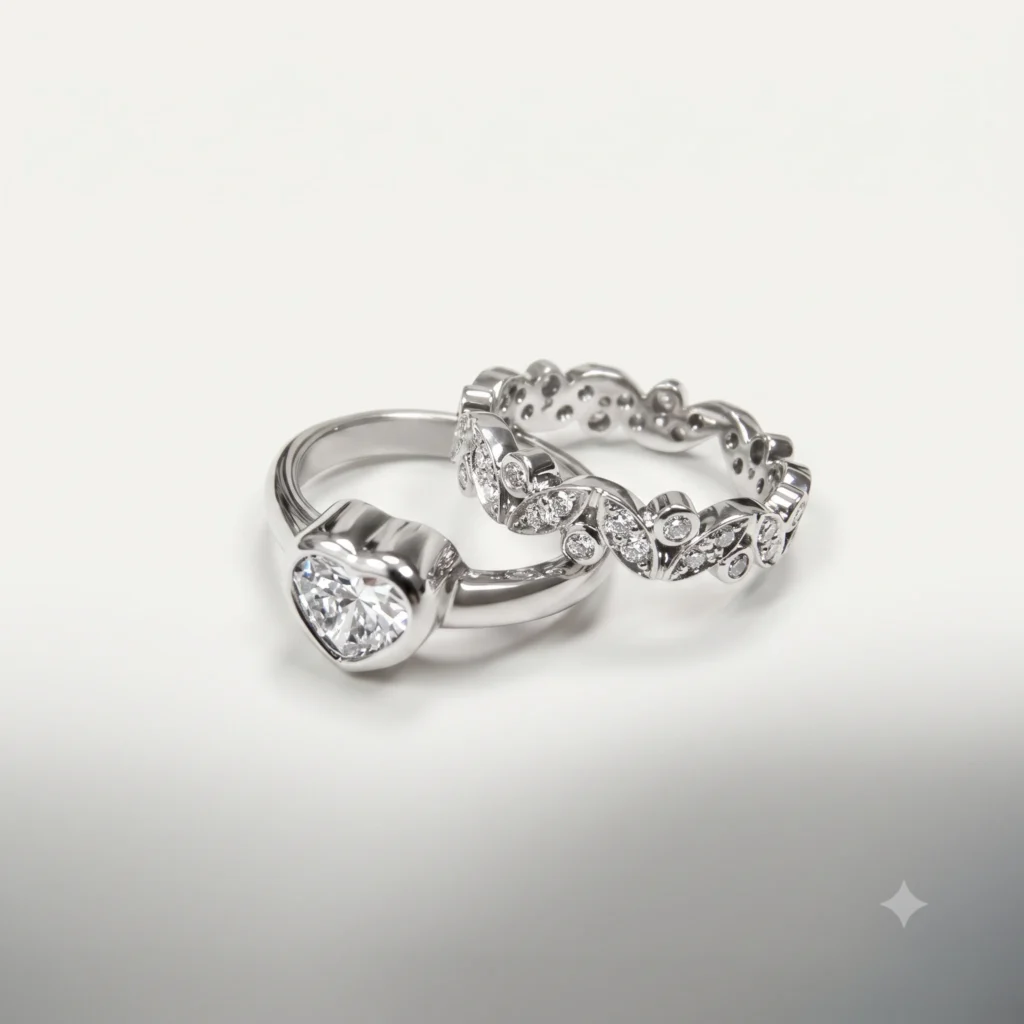
- Key Takeaways
- How to Choose Your Gemstone
- Understand Gemstone Quality
- Natural Versus Lab-Grown
- Gemstones and Ring Settings
- The Custom Design Journey
- Why Expert Guidance Matters
- Rely on experienced jewelers and custom design experts for sourcing, evaluating, and setting high-quality gemstones.
- Access comprehensive services, including jewelry valuation, hallmarking, and compositional analysis.
- Benefit from expert advice on gemstone selection, ring settings, and maintenance for lasting beauty.
- Book a person consultation or virtual appointment to start your custom gemstone ring journey with confidence.
- Conclusion
- Frequently Asked Questions
- How do I choose the right gemstone for a custom ring?
- What determines gemstone quality?
- Are lab-grown gemstones as durable as natural ones?
- Which ring settings protect softer gemstones?
- What is the custom ring design process?
- How do natural and lab-grown gemstones differ in value?
- Why work with an expert gemologist or designer?
Key Takeaways
- Complement your gemstone with your lifestyle for maximum sustained comfort and minimal upkeep. Opt for more robust stones and sturdy settings if you are rough and tumble, and anticipate ongoing maintenance for more delicate gems.
- Focus on durability, symbolism, color and budget to strike a balance between beauty and everyday practicalities. Use the Mohs scale and cost comparisons to narrow down stones that suit you.
- Evaluate quality through cut, clarity, and carat for maximum visual impact and value. Request detailed imagery and clear grading information before purchase.
- You can find natural and lab-grown options while still considering ethics and value. Check origin and sourcing practices and balance resale expectations with upfront savings.
- Match your stones with the perfect metal and setting for both protection and flair. Think platinum or low profile styles for everyday wearing and cleaning.
- Walk through our personalized custom design process from inspiration to completion. Share exact specifications, preview 3D visuals, and trust in master craftsmanship and quality inspections for reassurance.
Custom gemstone rings are crafted-to-fit gems that complement an individual’s taste, dimensions, and financial plan. They have a chosen gem—like sapphire, emerald, ruby, or moissanite—in gold, platinum, or sterling silver. Buyers select cut, carat, color, and clarity, then select a setting style such as solitaire, halo, or three-stone. Most designs incorporate recycled metals and lab-grown stones for reduced cost and traceable sourcing. Typical ring widths are 1.5 mm to 3 mm for everyday use, with prong or bezel settings for stone safety. Turnaround times range from two to six weeks, depending on design and maker. The subsections below discuss design decisions, cost factors, care, and how to check for quality and ethical sourcing.
How to Choose Your Gemstone
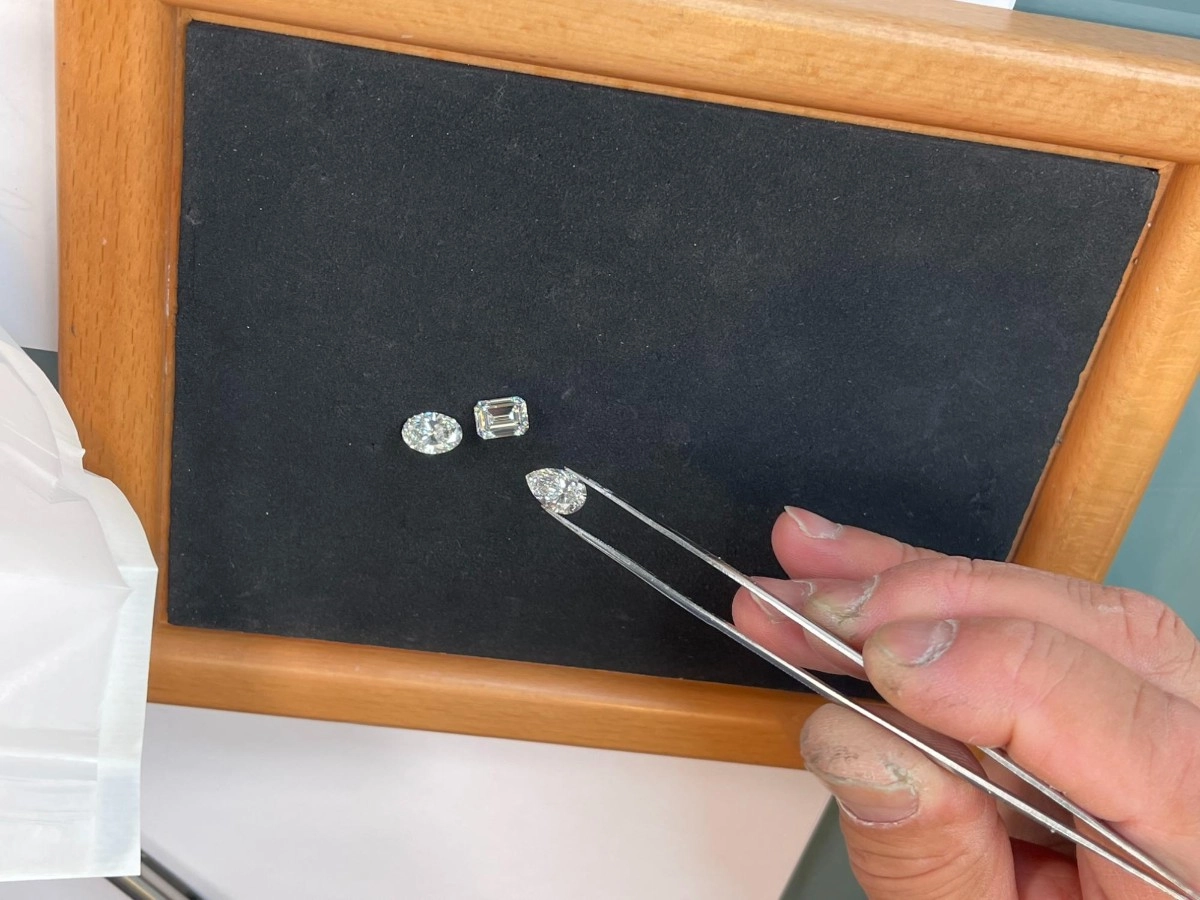
- Lifestyle: daily wear, hands-on work, travel, hobbies
- Durability: Mohs hardness, toughness, cleavage, treatments
- Symbolism: meaning, birthstones, milestones, cultural ties
- Color: hue, saturation, light change, metal match
- Budget: stone price, cut, carat, origin, setting, fees
1. Lifestyle
Tailor the gemstone to your hand habits. If you type, lift, or cook a lot, select hard, tough stones. Diamond (Mohs 10), sapphire, and ruby (9) are secure everyday options. They are scratch resistant and resist most bumps.
Active life with lots of bumps? Softer gems, opal, emerald, pearl, tanzanite, and kunzite require attention. Select bezel or halo settings that provide a metal rim or ring of pavé for a buffer. Lower-set profiles catch less on clothes and gym gear.
Jobs with chemicals or heat (salons, kitchens) can stress some gems and treatments. Just remove the ring or opt for stones that have solid stability. Clean with mild soap and water only.
2. Durability
Gemstone hardness quick view:
- Diamond: 10
- Sapphire/Ruby: 9
- Spinel: 8
- Emerald/Aquamarine: 7.5–8
- Tourmaline: 7–7.5
- Opal: 5–6.5
- Pearl: 2.5–4.5
3. Symbolism
Meaning can direct a selection that resonates as intimate. Sapphires typically associate with loyalty and trust, emeralds with growth and renewal, and rubies with courage and love. Birthstones and anniversary stones provide obvious connections, such as sapphire for September or alexandrite for June. Certain gems like alexandrite transition color in different light, providing a plot twist.
Weave the theme in with engraving, side stones or a hidden halo in a partner’s birthstone.
4. Color
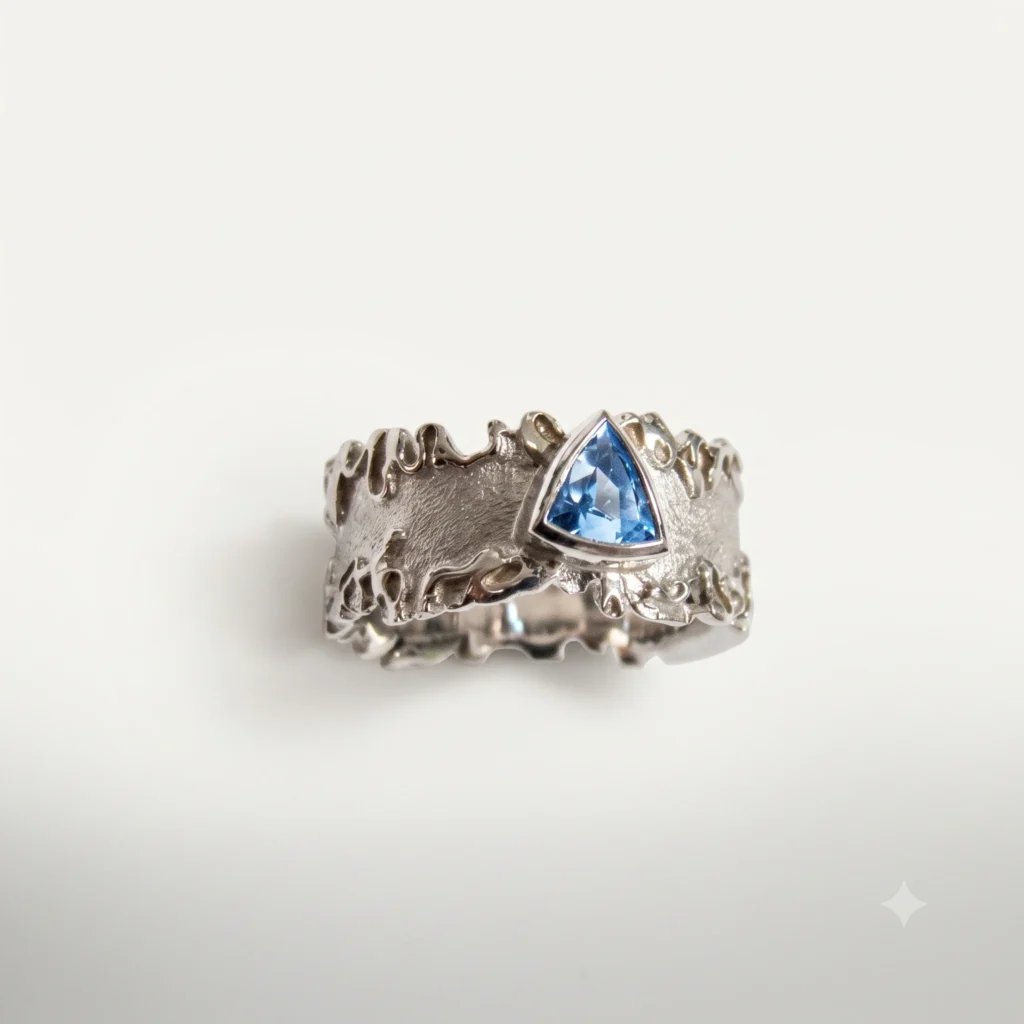
Color is the initial draw. Red and pink whisper of passion and romance. Blue signifies calm and trust. Green represents equilibrium. Yellow just feels bright and warm. Try rubies for deep red, spinel or tourmaline for pink, sapphires for blue, tsavorite or emerald for green, and citrine for gold!
Metal alters the appearance. Yellow gold warms reds and greens. White metals, such as platinum and palladium, cool blues and brighten colorless stones. Rose gold enhances pinks and champagne colors. A few stones glow or shift. Alexandrite changes from green to red. Sapphire can reveal teal or violet undertones. Cut and shape matter. Step cuts, like the emerald cut, flatter high-clarity stones. Brilliant cuts boost sparkle and hide minor marks.
5. Budget
Determine a range, first. Mined versus lab-grown diamonds versus color gems. Lab diamonds provide a diamond look for less per carat. Sapphires and spinels can pack some powerful color punch. Add metal, as platinum is more expensive than gold, custom design fees, and the complexity of the setting.
Price factors snapshot:
- Carat: The price rises with size and there are steep jumps above 1.0 carat.
- Origin: Kashmir sapphire and Burma ruby command premiums
- Quality: color saturation, clarity, cut precision
- Treatment: Heated sapphire is common and affordable, and unheated sells for a premium.
Understand Gemstone Quality
Quality begins with the four Cs—cut, color, clarity, and carat—plus durability and workmanship. Request hi-res photos or 50x magnification videos, and request independent certificates. A few jewelers grade liberally, so double check reports and examine specifics prior to ordering a bespoke ring.
Cut
Cut determines the light performance. To really know gemstone quality, bad angles leak light and deaden the face, even in bigger stones.
Match shape to design and gem type. Round and oval maximize sparkle in many stones. Emerald and Asscher cuts use step facets that reveal clarity and color, which is great for sapphire or emerald when the crystal is clean. Cushion and radiant add fire while softening corners. Pear and marquise elongate the finger but need protective tips. For softer gems, rounded shapes reduce chipping risk.
Quick guide by gem:
- Diamond: round for top brilliance, oval or cushion for spread and warmth.
- Sapphire/ruby: cushion, oval, or emerald to show rich color.
- Emerald (beryl): Emerald cut to showcase hue. Avoid razor-thin corners.
- Spinel/tsavorite: Brilliant or radiant for lively return. Your stone, too — well-cut stones pop in custom engagement rings and can appear larger than their carat weight.
Clarity
Less inclusions mean a cleaner look and harder sparkle. Typical terms are IF/FL (rarely used beyond diamonds), VVS–VS (hard to see under 10×), SI (eye-clean varies by stone), and I (visible). Colored gems tend to rely more on ‘eye-clean’ standards instead of rigid diamond-style scales.
Price travels with clarity and pairs it with cut and color. A flat and shallow cut means a flat and shallow color gem in sapphire. An eye-clean VS with great cut often beats a higher-clarity stone with weak proportions. A few inclusions reduce toughness in emerald and reject surface-reaching fractures in everyday rings. Ask for clarity notes on the lab report and treatment disclosures, such as oil in emerald and heat in sapphire. They tell what a gem is and what treatments it has, not how much it’s worth.
Carat
Choose a carat size that aligns with finger size, budget and design objectives. A 1.5 ct oval will face up like a 2.0 ct round in millimeters, so compare by diameter using mm charts or a 3D ring builder. The bigger the stone, the more robust the setting it demands, such as double prongs, bezels, or halos, and a balanced shank for comfort.
Consider durability for everyday wear. Mohs hardness and toughness vary. Sapphire and ruby, with a hardness of around 9, handle routine wear. Spinel, with a hardness of around 8, is solid. Emerald, with a hardness of around 7.5 to 8, needs mindful care. Opal, with a hardness of around 5.5 to 6.5, and tanzanite, with a hardness of around 6 to 7, suit occasional wear. Match carat and gem selection to your lifestyle to minimize chips and scratches.
Use this checklist: 4Cs, workmanship, durability, independent certification, magnified review, and setting fit.
Natural Versus Lab-Grown
Natural stones take millions of years to form in the earth. Lab-grown stones take weeks or months to form using HPHT or CVD. They have the same chemical, physical, and optical characteristics, and both are graded by the 4Cs. Prices differ most. Lab-grown options are roughly 30 to 70 percent less, while natural stones often carry rarity premiums.
| Aspect | Natural | Lab-Grown |
|---|---|---|
| Formation | Geological, millions of years | Weeks–months in controlled labs (HPHT/CVD) |
| Composition | Same as lab-grown | Same as natural |
| Appearance | Unique inclusions, one-of-a-kind | Fewer inclusions, more uniform |
| Price | Higher, rarity and origin premiums | 30–70% less |
| Ethics/Environment | Varies by mine and region | Generally lower impact, traceable |
| Grading | 4Cs | 4Cs |
Origin
Request proof of origin. For diamonds, those could be country of origin or chain of custody reports. For colored gems, ask for mine to market documentation or a source opinion from a trusted lab.
It can dictate color and value. Kashmir sapphire, Burma ruby, and Colombian emerald command significant premiums. Even within sapphire, Sri Lanka and Madagascar can change both color and cost.
Cross-reference claims with independent news reports if possible. Labs such as GIA or IGI can sometimes indicate origin for specific gems, but not all stones can be confidently assigned. Inquire how your jeweler obtains each stone and what areas they like to work with.
If narrative counts, purchase a mined stone with provenance or a lab-grown diamond with traceable batch info and growth technique specified. Both can imbue a custom ring with significance.
Ethics
Go with suppliers that adhere to rigorous labor regulations and more secure mining benchmarks. Seek out third-party audits, community investment, and less water and land use.
Lab-grown diamonds or sapphires frequently present less environmental footprint and more transparent supply chains. Most plants offer power reporting and employee protections.
Look for certifications that mention ethical standards like Responsible Jewellery Council membership, recycled metal hallmarks or lab reports indicating HPHT or CVD growth. Request written sourcing policies.
Value
Natural gems might command higher resale because of rarity, provenance, and collector value. Lab-grown gems have less resale value but offer more size and quality for less upfront.
Factor total cost includes warranty, routine care, prong checks, and potential resizing. A lab-grown 1.5 ct may suit a budget that only permits a 1.0 ct natural.
Use a quick check: budget, desired size, origin needs, and resale goals. Match the choice to what counts now and down the road.
Gemstones and Ring Settings
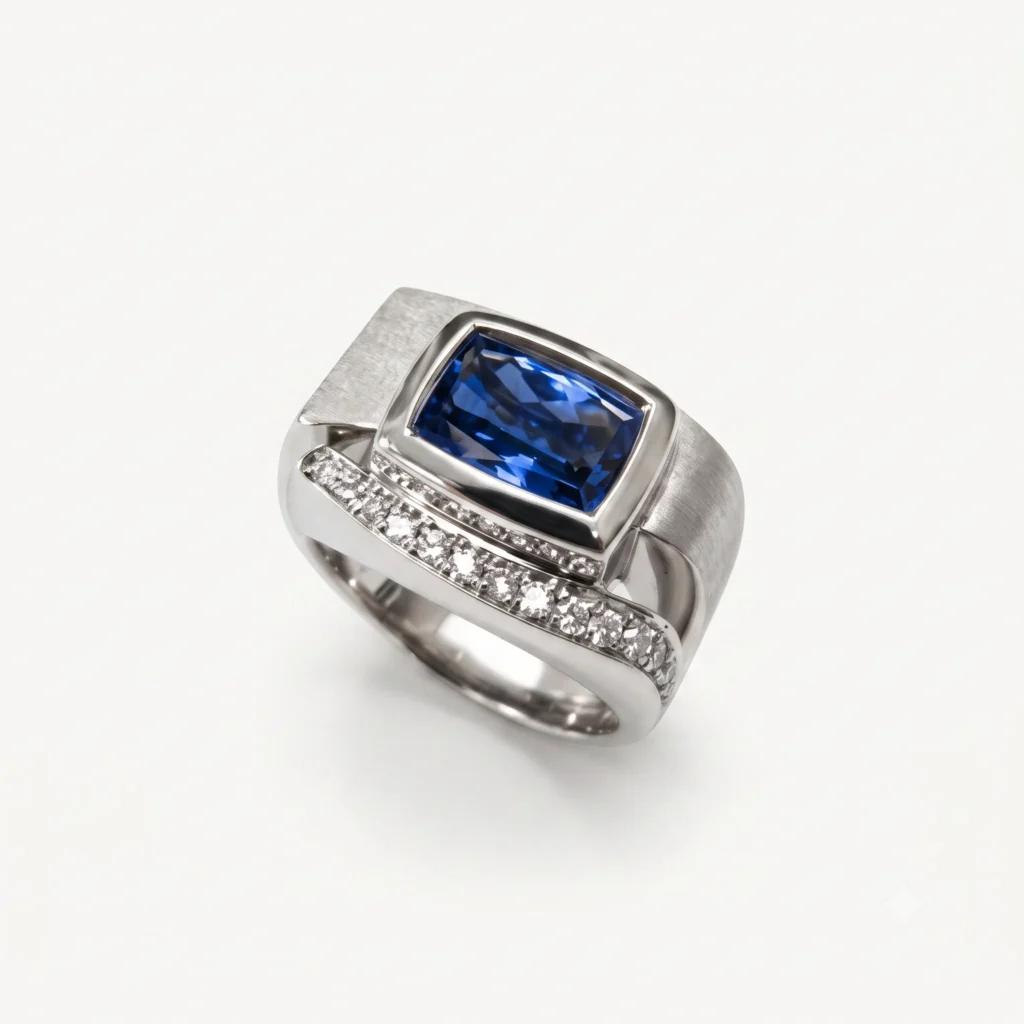
Gemstone, metal and setting cooperate. Color, hardness, and cut shape should lead the match so the ring appears balanced and remains secure, whether for a custom engagement ring or an everyday piece.
Metal Choice
Choose metal that complements the stone’s color and withstands wear. Yellow gold warms the cooler stones like sapphires and emeralds. It darkens ruby reds. White gold and platinum cool down warm stones, heighten contrast for colorless diamonds, and illuminate pastel morganite. Silver complements light, ethereal styles but requires more maintenance and can tarnish.
Consider durability and skin sensitivities. Platinum is dense, hypoallergenic and prong-retentive, and it ages with a soft patina, not thinning. White gold is harder than silver, lighter than platinum, and requires rhodium plating to maintain its bright tone. Yellow and rose gold (14k or 18k) strike the perfect balance of color and durability. The higher the karat, the richer the color but the softer it becomes. Request hallmark and assay standards to guarantee fineness, such as 750 for 18k gold and 950 for platinum, and verify country-specific marks if purchasing overseas. For sensitive skin, opt for platinum or high-purity gold alloys, where the mix is nickel-free.
Setting Style
Select a setting that secures the gem while exposing its form and brilliance. Hardness and clarity matter. Diamonds and sapphires, which have a Mohs hardness of 9 to 10, handle open prongs well. Softer gems like opal or turquoise do better in bezels. If you mix stones, match hardness so channel or pavé accents do not abrade a softer center.
- Solitaire: clean, focuses on the center, great for strong stones.
- Halo: boosts size and sparkle; helps lighter-toned centers.
- Split shank spreads weight, adds style, and can frame wider stones.
- Bezel: metal rim fully surrounds stone; top protection.
- Channel: stones sit between two rails; smooth, snag-free.
- Three-stone: past–present–future story; mix diamonds with colored sides.
| Setting | Security | Ideal for | Comments | | Bezel | High | Softer gems, active wear | Lower profile, modern edge | | Prong | Medium | Diamonds, sapphires | Max light, requires inspections | | Halo | Medium | Small centers, fancy cuts | Extra sparkle, protection ring | | Channel | High | Side stones | No prongs, sleek line |
Daily Wear
Think real life. If the ring is for daily wear, choose durable stones like diamond, sapphire, and ruby and robust settings such as a bezel or low-prong baskets. Stay low if you work with your hands or travel.
Care, care, care. Sleek metals and bezel edges wash easy. Halos and micro-pavé require tender, regular care. Receive care guides and terms of warranty for prong tightening, rhodium re-plating, and lost stone. For a tailored engagement ring, incorporate personal significance, such as a sapphire that echoes the location of your initial meeting, while maintaining a sturdy design for everyday wear.
The Custom Design Journey
A defined roadmap keeps bespoke work on course. Transforming your vision and budget into sketches, 3D checks, and final build shares progress every step of the way over 6 to 8 weeks.
Your Vision
Begin by collecting inspiration. Save images from designers, museums, and objects in your everyday life. Note what repeats: oval cuts, east-west settings, low profiles, or bold halos. This pattern sets direction and budget.
Tell us your tale and taste. Tell us if you prefer a ring that can be worn every day, a stackable band, or a statement ring. We got you covered whether it’s sapphire in deep blue, emerald of the brightest green, or lab-grown diamond of utmost clarity. Add the 4Cs to the brief: cut shapes such as round, pear, and emerald, color grade targets, clarity needs for your lifestyle, and a carat range that suits your hand and cost plan.
Provide ring size in mm if known, metal selection—yellow, white, or rose gold—and any comments such as flush-fit with wedding band, comfort-fit shank, low snag prongs, etc. A quick checklist helps:
- Purpose, daily habits, budget
- Gemstone type, 4Cs, color tone
- Setting style and profile height
- Ring size, metal, finish, engraving
Our Craftsmanship
Our expert goldsmiths interpret the brief into hand-drawn sketches so they know how the proportions should feel on the finger, and details such as prong count or bezel lips are defined. Then 3D renderings verify that paper lines play out in metal, with tolerances around the girdle and seat. A wax model might come next, handy for verifying height inside of gloves or between stacking bands, and last-second tweaks such as taper width.
Stone sourcing, hallmarking and assembly take place in fully equipped workshops featuring laser welders, setting microscopes and pressure testing for secure mountings. Each ring is inspected for metal fineness, stone authenticity, symmetry and polish before leaving the bench.
Final Creation
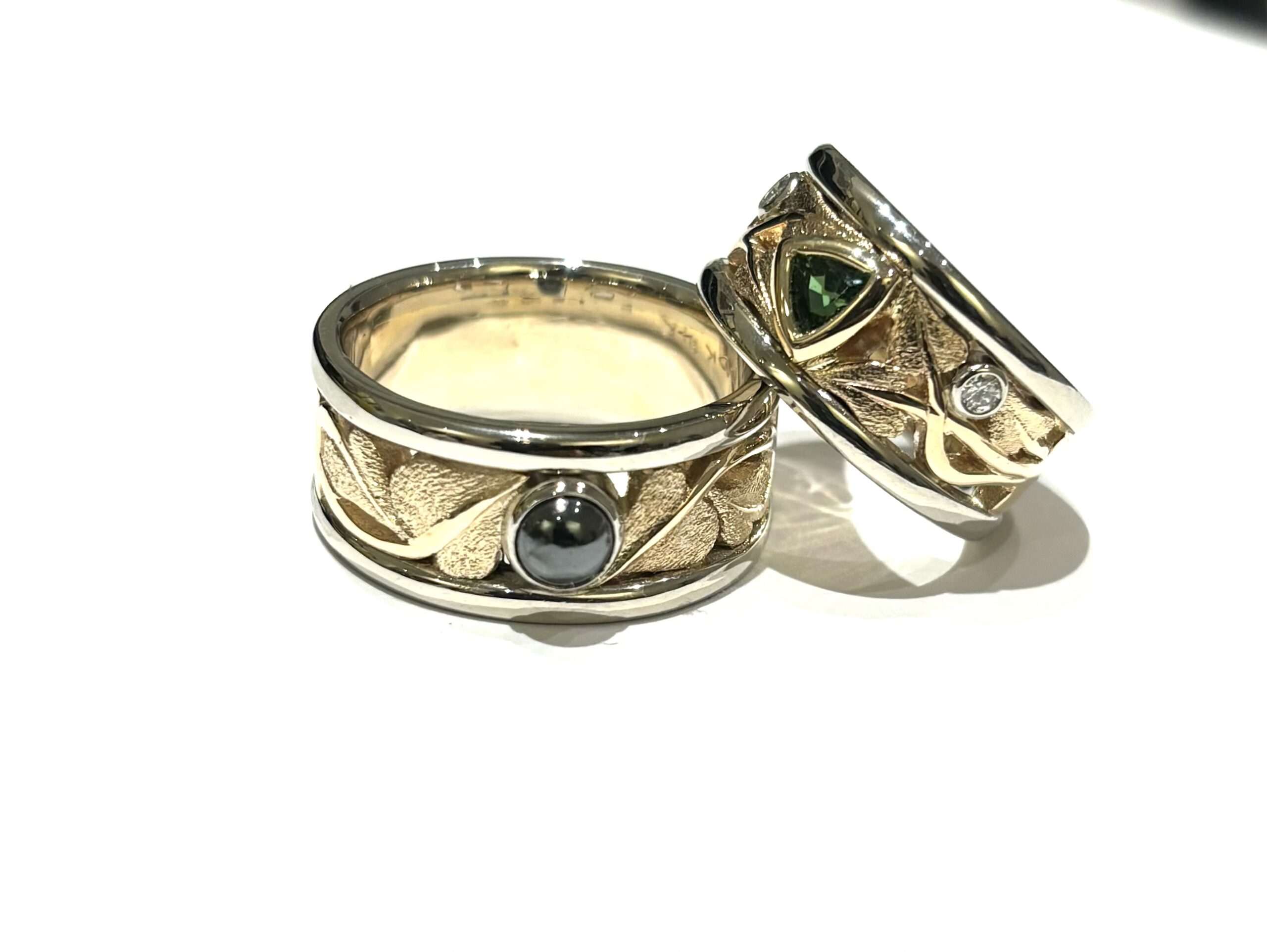
Sign off on the final design and schedule lock. Standard timescales are 6 to 8 weeks with milestone updates.
Upon delivery, check prongs, pavilion light return, and hallmarks. Verify size and ensure inclusions correspond to the report and care notes.
Look forward to careful packaging, a written warranty, and tracked express shipping. To hand deliver personally, schedule a virtual call or showroom appointment. Resizing and fit adjustments are available if necessary.
Why Expert Guidance Matters
Professional advice takes a great concept and transforms it into a build-to-order ring that fits your life and retains its worth. It connects design, materials, and budget into a single transparent blueprint you can rely on.
Rely on experienced jewelers and custom design experts for sourcing, evaluating, and setting high-quality gemstones.
Experienced jewelers screen suppliers, verify origin reports and determine if a stone is natural, treated or lab-created. That shields you from misses and mispaired. They read the stone’s cut, symmetry and windowing so the gem shines bright face-up at typical viewing distance. For instance, a pavilion that is too deep will make a sapphire look dull. A careful recut can fix that before mounting. An expert will guide you away from dangerous options, like a bare marquise tip that dents, and recommends guards or bezel tips. This prevents shirts from catching, loose prongs and stones that break under everyday wear.
Access comprehensive services, including jewelry valuation, hallmarking, and compositional analysis.
If necessary, full-service studios offer appraisals for insurance, hallmarking for metal fineness and lab tests. Compositional checks verify platinum at 950 parts per thousand or gold at 18 karat (750 parts per thousand). Specialist equipment, like spectroscopy or microscopy, can identify filled fractures or coatings in rubies and emeralds. These reports help support fair value, easier resale and clean records for heirs.
Benefit from expert advice on gemstone selection, ring settings, and maintenance for lasting beauty.
A pro helps balance the 4Cs with your budget and style. For instance, a .85-carat stone with excellent cut can beat a 1.00-carat stone with weak cut. They match the setting to lifestyle: a low, partial-bezel for an active job and a cathedral solitaire for dress wear. They map a care plan that includes gentle cleaning, prong checks every 6 to 12 months, and timing for re-polish or re-rhodium. This develops strength and beauty that stand for decades.
Book a person consultation or virtual appointment to start your custom gemstone ring journey with confidence.
Why expert guidance matters A one-on-one meeting, in person or online, lets the jeweler learn your tastes, daily routine, and budget bands. That human connection crafts a circle of true significance and genuine art. You can anticipate sketches and 3D renders and test bands to calibrate size and comfort. This results in a piece that appears correct, is durable, and retains value.
Conclusion
Custom gemstone rings offer true selection. Select a stone that suits your style and your pocketbook. Tick off cut, color, clarity, and size in mm. Balance organic allure with synthetic bullion. Pair the stone with a secure, sturdy setting. Consider a bezel for everyday wear or a low basket for a minimal aesthetic. Outline the process with defined objectives, a deadline, and a pricing maximum. Loop in a trusted jeweler. Request renderings, wax proofs, and bench notes. Simple checks reduce risk and save cost.
To get you going fast, select a size goal, select a color you like and select two settings to compare. Ready to mold your ring? Share your stone choice and budget and receive a design plan today.
Frequently Asked Questions
How do I choose the right gemstone for a custom ring?
Start with your lifestyle, color, and budget. Examine hardness and toughness for everyday wear. Think about meaning and source. Compare a couple of stones in natural light. Request certificates and a return policy.
What determines gemstone quality?
The 4Cs: color, clarity, cut, and carat. Color is king—seek out vivid, even coloration. Clarity impacts brilliance; however, slight inclusions are fine. An exact cut enhances sparkle. Carat impacts size and price.
Are lab-grown gemstones as durable as natural ones?
Yes, when they have identical chemical and physical properties. Lab-grown sapphires, rubies, and diamonds equal natural durability. This means they provide reliable quality and worth. ALWAYS ask for papers!
Which ring settings protect softer gemstones?
Choose protective styles: bezel, half-bezel, or halo. Lower profiles and healthy prongs dissipate impact. Don’t have the corners exposed if the stone is emerald or opal. Pair them with sturdy metals for everyday wear.
What is the custom ring design process?
It typically involves consultation, stone selection, CAD or sketch review, prototype approval, and final crafting. Timelines are between 3 and 8 weeks. Obtain transparent milestones, pricing, and warranties on paper.
How do natural and lab-grown gemstones differ in value?
Natural stones can carry greater long-term resale value, particularly rare origins. Lab-grown stones provide both a low upfront cost and reliability in quality. Both can be gorgeous. Buy what suits your priorities and budget.
Why work with an expert gemologist or designer?
We experts authenticate, maximize your budget, and avoid design errors. They steer quality, sourcing, and setting decisions. You receive a safe, comfortable ring that endures with credentials and guarantees.
Looking for more inspiration? Discover how Mark Katzeff Designs brings new life to old pieces through custom jewelry design, repair, and handcrafted creations in Edmonton.
Want to learn more about jewelry materials and how they’re reused in redesign? Explore these helpful resources:
Guide to Gemstones and their Characteristics