
- Key Takeaways
- Assess Your Heirloom
- The Heirloom Jewellery Restoration Process
- Material-Specific Challenges
- Repair, Redesign, or Revere?
- The Goldsmith’s Philosophy
- Beyond The Repair
- Conclusion
- Frequently Asked Questions
- How do I know if my heirloom jewellery is suitable for restoration?
- What happens during the heirloom jewellery restoration process?
- Are there special challenges with antique metals and gemstones?
- Should I repair, redesign, or keep the heirloom unchanged?
- How does a goldsmith’s philosophy affect my heirloom restoration?
- Will restoration reduce the historical or market value of my heirloom?
- What care is needed after my heirloom has been restored?
Key Takeaways
- Begin by meticulously evaluating your heirloom jewellery so you know what visible damage, worn settings, metal fatigue, and gemstone health you’re dealing with before any work takes place. Snap photos and take notes so you and your goldsmith have a shared reference during restoration.
- Make restoration a defined process from consultation to reveal, with every stage rationally defined and agreed. Communicating openly with a skilled goldsmith helps establish realistic objectives that preserve both the piece’s structure and emotional significance.
- Understand that distinct materials require distinct methods, particularly vintage metals, fragile gemstones, and organic components. An expert restorer will strike the right balance between preservation and enhancement, using the right tools and techniques to minimize hazard to uncommon or delicate elements.
- Oh, whether to repair, redesign or preserve is about balancing practical wearability with historical and emotional significance. Be transparent about possibilities and see where your decision lands to honor the original story yet accommodate your lifestyle and plans.
- Select experts with a commitment to respect for history, ethically sourced and transparent practices. Marrying traditional techniques with new technologies like laser welding or CAD can offer exact, long lasting and genuine solutions.
- Go beyond restoration by providing long term care, including cleaning and storage solutions and updated insurance coverage. Routine check ups, secure home storage, and up to date appraisals keep your heirloom’s aesthetic, physical, and monetary worth intact for the next generation.
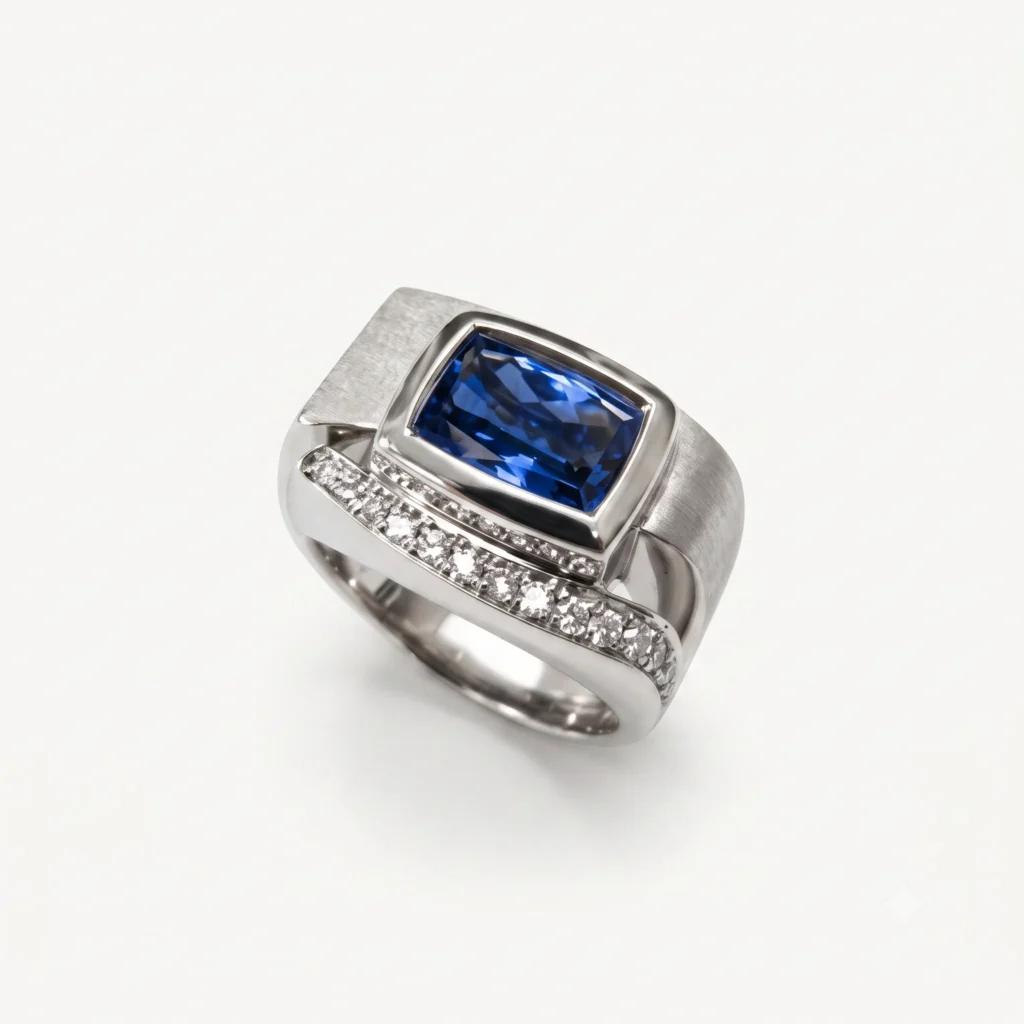
Heirloom jewellery restoration is when we take your old family pieces and return them to a safe, wearable shape without compromising their original style and story. Most of us cling to rings, necklaces, or brooches imbued with fierce family ties but sporting worn prongs, dulled stones, or a broken clasp. Expert restoration can tighten loose settings, replace missing gems, wash away years of grime, and match metals so repairs blend seamlessly with the original design. Diligent craftsmanship goes a long way to prevent soft stones and thin bands from additional damage. In reality, quality restoration tries to preserve the majority of the initial craftsmanship while rendering the piece strong for everyday wear. The following sections detail techniques, prices, and crucial decisions.
Assess Your Heirloom
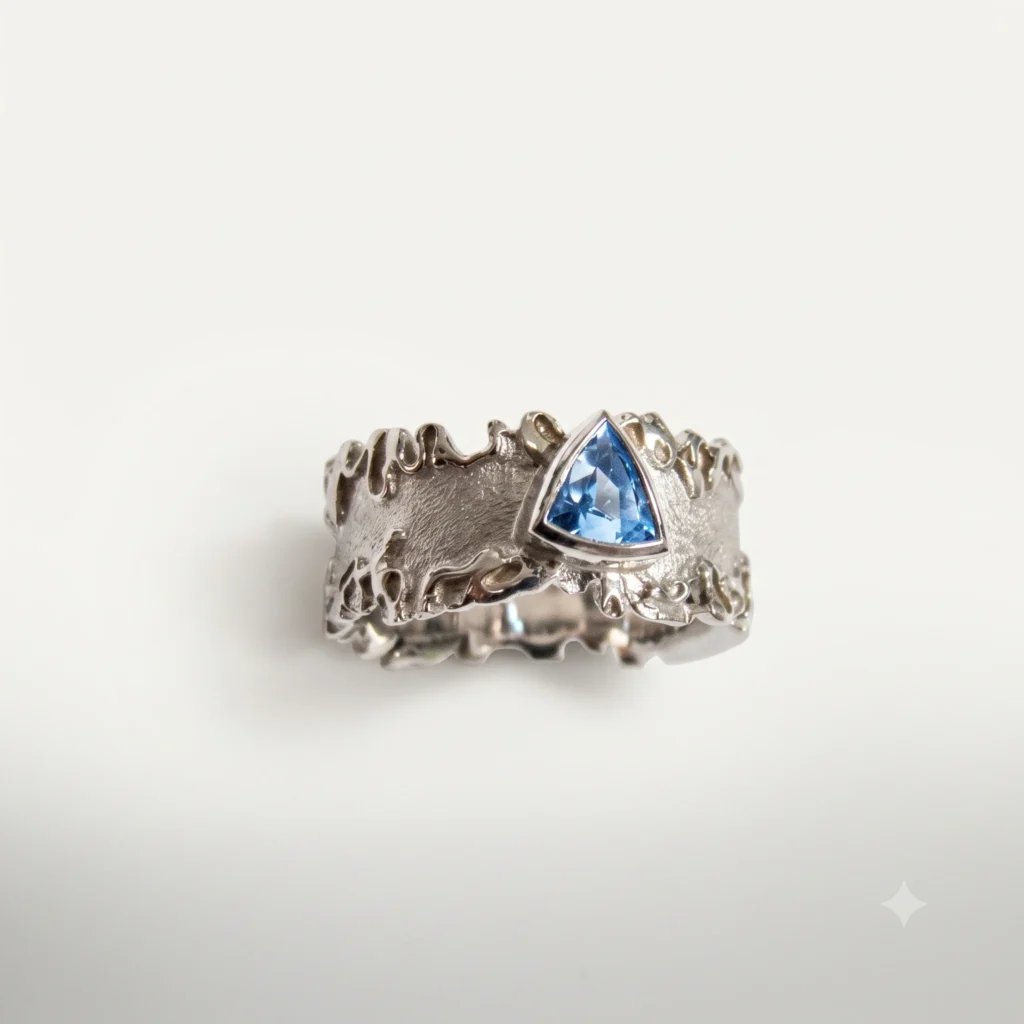
Assessment is the first real step in heirloom jewellery restoration, and it works best when it is slow, methodical, and well documented. A careful review helps decide whether the piece should be repaired, preserved as is, redesigned, or only worn on special occasions. It creates a record you and a professional can refer to, especially since restoration can stretch from a few weeks to several months.
Visible Damage
Examine your heirloom in bright, even light and record all cracks, chips, dents or bends in metal and stones. Bent ring shanks, dented bangles, or chipped emerald corners all count, even if they appear minor. These imperfections can worsen over time and daily wear.
Test for loose, missing, or broken parts like worn clasps (necklaces), stretched or twisted chains (necklaces), missing links (bracelets) or broken earring backs. Pay attention if a clasp is difficult to close or opens too easily as that impacts safety.
Pay attention to any old repairs: solder blobs, mismatched metal color, replaced stones that do not match, or uneven engraving. These tips reveal how the design has evolved and can restrict how far you can reverse previous efforts.
Note what issues compromise mere wearability and what issues are of real danger, such as a cracked setting that could give way. This specificity comes in handy when you discuss with a restorer what is vital and what is elective.
Worn Settings
Pay particular attention to the prong settings, as this is where loss typically begins. Examine prongs and bezels to determine whether any seem thin, flattened, bent, or uneven in height, particularly on rings and earrings that enjoy daily wear. In older heirlooms, prongs can wear down so much that they are barely visible from above.
Lightly tap the piece adjacent to each stone or agitate the stone with a wooden toothpick. Even a little rattle, spin, or shift means the setting isn’t secure anymore and should be addressed before normal wear.
Identify places where settings appear beyond just tightening, like half missing prongs or gapped bezels. These areas frequently require complete reconstruction or patching. The work can be trickier for fragile filigree or tiny stones.
Give priority to worn settings. Losing an original diamond or family sapphire can be a bigger loss than a scratch in the metal. Replacing a historic or sentimental stone isn’t always an option.
Metal Integrity
Inspect the metal for hairline fractures, deep scratches, or places that appear thinned out, typically ring shanks, bracelet hinges, and pendant bails. A subtle fracture running through the back of a ring, for instance, can snap with minimal force. Check for discoloration, corrosion, or pitting, particularly on silver which may tarnish or older low-karat gold that can exhibit darker zones.
Look closely at solder joints where pieces meet: the join between ring and setting, links in a chain, or the hinge of a brooch. If these lines appear rough, porous, or cracked, they’ll potentially require re-styling. Inquire about your heirloom’s metal type, such as gold, silver, or platinum, and how that impacts repair options, as each requires different solder, heat, and expertise.
Since heirlooms tend to be highly emotional, pick a specialist who will describe how they will preserve the original structure instead of just making it look repaired.
Gemstone Health
Examine every stone for chips, scratches, cloudy areas or worn facets. Flat, blunt facet edges on a diamond or hazy areas in an opal can alter both beauty and durability. More delicate stones, like pearls or turquoise, will roughen on the surface more quickly than diamonds or sapphires.
For older pieces, ask a gem expert to check gem authenticity and stability. Some stones may be glass, paste, or early synthetics, which can still hold historical interest. Others may have treatments, such as fracture filling or dye, that limit the kind of heat and chemicals safe to use in restoration. This is one reason many experts suggest a full evaluation at least once a year for heirlooms that see regular wear.
Determine if any stones need to be repolished to eliminate light wear, recut to preserve a chipped area, or replaced altogether if too damaged. This is usually a trade-off between the physical state, historical significance, and your emotional connection.
Record everything with clear photos from multiple angles and notes on age, condition, metal, stones, and any known history. Preservation begins with this type of documentation and informs whether you just stabilize the item, refresh the design for everyday use, or do a more extensive repair or redesign.
The Heirloom Jewellery Restoration Process
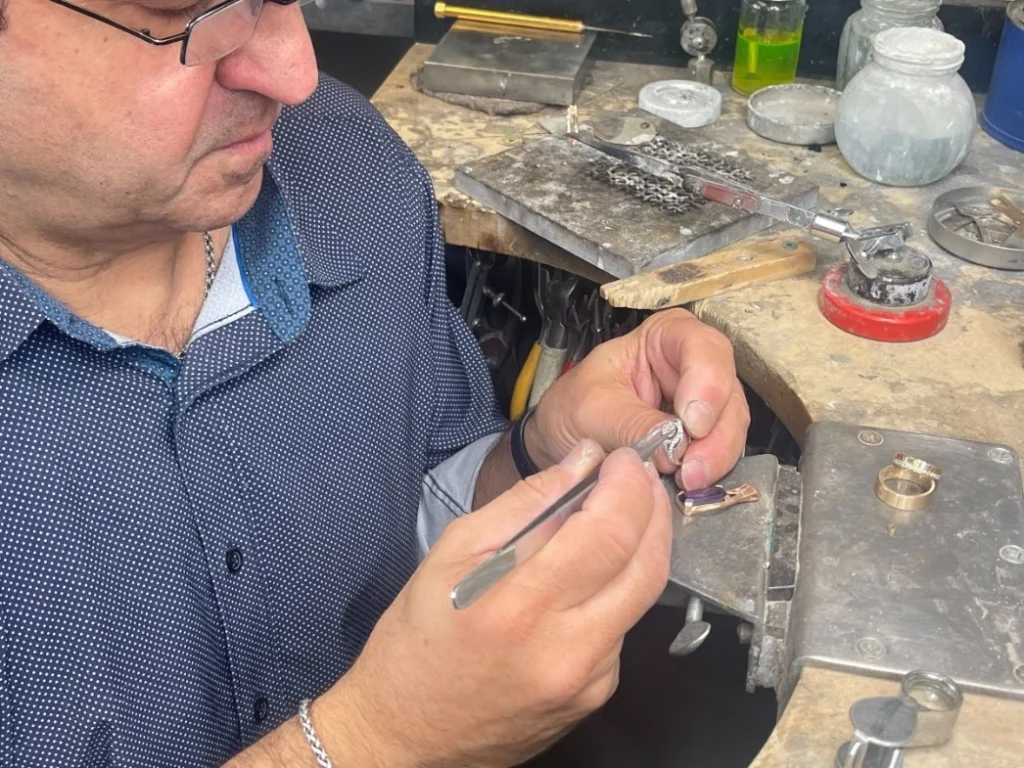
Heirloom jewellery restoration begins with a clear plan. Together with our goldsmith, you and your client decide if a piece requires repair, careful preservation or an entire redesign, allowing it to be worn again without losing its sentimental value.
Typical stages include:
- Consultation and goal‑setting
- Detailed diagnosis and condition check
- Planning and design “blueprint”
- Craftsmanship and technical work
- Final reveal, care, and long‑term maintenance
Behind it all, effective communication counts just as much as skills and equipment. We strive to preserve beauty and memories with a blend of old-world bench work and new technology.
1. The Consultation
It typically begins with an in-person or video consultation. The client talks about who owned the piece, how it was passed on to them and how they’d like to wear it now. That could be preserving a ring just as grandma wore it or re-imagining an old brooch into a pendant for everyday use.
The goldsmith inquires about budget, frequency of wear, and any concerns, such as thin claws or loose-feeling stones. At this point, they observe the metal, stones, and age, as these nuances inform what is safe to alter.
Together, they establish reasonable objectives around condition and expense. Certain pieces are best restored close to as-is, while others work better with a redesign so they do not just end up back in a drawer because they look dated. The goldsmith gives an estimated timeline, which is a few weeks for light repairs or a few months for complicated work involving numerous stones or structural issues.
2. The Diagnosis
Following the initial discussion, the goldsmith inspects it closely, frequently under magnification. They inspect for hairline cracks in the shank, worn prongs, vintage solder joints, and areas of previous repairs. Specialized tools, including microscopes and stone-testing arsenal, uncover issues the bare eye overlooks.
Your written report lists repairs, risks, and options. For instance, a ring could require prong rebuilding at one time and a complete shank replacement at another. Repairs are organized by priority and permanent effect on durability, so critical security work precedes aesthetic modifications.
3. The Blueprint
With the diagnosis in hand, the goldsmith proposes a step-by-step plan that suits the piece, the client’s desires, and the budget. This schedule identifies which components will be restored, which may be substituted, and when redesign is smart to maintain the piece wearable.
They choose materials and methods that respect the original by matching metal karat and color, sourcing similar-era stones when possible, and deciding when to use laser welding instead of a torch to protect fragile settings. For more significant revisions, they can provide hand sketches or digital renderings outlining possibilities, such as transforming one large brooch into a pendant and a pair of earrings. No cutting or stone removal begins until the client approves the final version.
4. The Craftsmanship
Here, the age-old hand skills collide with today’s tools in one extended, meticulous period. A goldsmith might hand rebuild worn claws with a torch, laser weld tiny joins near heat sensitive stones, re cut chipped gems, or reproduce missing decorative details via hand engraving or molding from a custom cast. They strive to match the original style so repairs don’t look shiny and new and out of place, yet still seek strong, clean joins that withstand day to day wear. Each step is double checked and triple checked because the aspiration is a smooth, long lasting finish that seems as if the piece has been this way forever.
5. The Reveal
When the work is complete, it’s cleaned, polished, and debuted, frequently with before-and-after shots that highlight its journey. The goldsmith explains what was changed, what was preserved, and what to watch over time, and gives clear care advice: how to clean at home, when to avoid harsh chemicals, and why an expert check once a year helps prevent new damage. While occasional maintenance and gentle cleaning can slow wear, even meticulously maintained heirlooms might require restoration down the line, as they’re worn and passed on again and again.
Material-Specific Challenges
Material-specific challenges Restoration potential is heavily influenced by initial material choice. Every metal, stone, and organic element responds differently to heat, pressure, moisture, and chemicals, so the process has to be tailored to the material, not vice versa.
| Material type | Typical issues (age, use, storage) | Main restoration focus |
|---|---|---|
| Noble metals | Tarnish, dulling, pitting in humid air, worn prongs, solder cracks | Safe cleaning, structural repair, controlled polishing |
| Non‑precious metals | Corrosion, flaking plating, metal fatigue | Stabilize base metal, re‑plate, limit further decay |
| Gemstones | Scratches, chips, loose settings, heat/chemical damage | Secure setting, polish where safe, protect in use |
| Organic elements | Drying, cracking, discoloration, warping, surface wear | Gentle cleaning, moisture control, consolidation |
| Mixed constructions | Different materials reacting at different rates, hidden corrosion in joints | Localized treatment, disassembly only when essential |
Dangers increase when tinkering with vintage or hard-to-find parts. Intricate filigree, tiny hinges, and locket or watch mechanisms can break under pressure or excessive heat. Many old alloys and finishes are unrecorded, so we usually test in a small, inconspicuous area prior to any major cleaning or resoldering. Moisture and previous chemical exposure might have already compromised metal from within. One of the material-specific challenges is that pushing for a “perfect” surface can wear away metal that won’t return.
For material-specific challenges, the preservation and enhancement dialectic begins with a well-defined objective for each material zone. Metals can generally withstand more intervention than delicate stones or organic elements, so conservation tends to prioritize stability over aesthetic efforts. Deep scratches, pits, and dulling in gold, for instance, can be relieved but not always removed without altering profiles or softening engraving, particularly if the piece resided in a humid climate and the surface is already thin. Soft, local repair preserves value and narrative far more effectively than a hard, ‘like new’ shellac.
Noble Metals
| Metal | Key properties | Common issues | Core techniques |
|---|---|---|---|
| Gold | Soft, stable, non‑tarnishing | Dulling, pitting in moisture, worn claws | Laser or micro‑solder repair, light polish, re‑tipping |
| Platinum | Dense, tough, work‑hardening | Scratches, bent prongs, tough-to-flow solder | Reshaping, precise high‑heat solder, careful refinishing |
| Silver | Soft, reactive, easily tarnished | Tarnish, deep scratches, deformed settings | Chemical or manual cleaning, structural repair, repolish |
Noble metals can come with tarnish, micro abrasion, and compromised solder joints. Moist storage or humid climates can leave gold and silver dull or even lightly pitted. Once metal is lost from pitting, it can only be filled or reshaped, not “cleaned back.” Complex patterns and narrow crevices catch dirt and skin oils, so controlled soaking and soft brushes come before any tooling, or details get lost.
Soldering is a hard part risk point, particularly on older alloys. A restorer has to match solders and alloys so new joints don’t crack later or create color mismatches. High-karat gold, for example, requires compatible solder that won’t leave a darker seam. Platinum requires such intense heat that it can compromise nearby stones if they remain set. Polishing is usually the last step and stays minimal. The aim is to restore a believable luster while keeping hallmarks, edges, and engraving crisp.
Delicate Gemstones
- Use soft, non‑abrasive tools and mild cleaners only.
- Protect stones from heat during any soldering with heat-blocking compounds.
- Test each stone’s toughness and treatments before cleaning.
- Protect sensitive gems from harsh chemicals, ultrasonic cleaners, and steam.
Most heirloom stones have tiny chips, scratches, or fractures from decades of wear. These imperfections travel with a single hard knock, so settings are inspected and sometimes re-tipped or rebuilt to secure the stone more firmly. A chipped edge on a little diamond could take a light re-cut. A thin emerald with surface-reaching fractures might just survive a thorough cleaning and a tighter bezel.
Wearing-every-day tips count nearly as much as bench work. Owners are often advised to apply jewelry after lotions or perfume, as chemicals can dull stones or erode glue in composite gems. Basic measures such as taking off rings before using household cleaners, storing pieces in individual soft pouches, and inspecting clasps and prongs multiple times a year can significantly reduce the risk of new chips and cracks in heirloom stones.
Organic Elements
Organic components in heirloom jewelry can consist of coral, ivory alternatives, bone, shell, horn, wood, or vintage resins. They all respond aggressively to light, heat, skin oils, and humidity fluctuations. The initial step is knowing the material and inspecting for hairline cracks, chalky areas, or shifting at joints and drill holes. Any indication of crumbling or powdery surfaces indicates the necessity of consolidation prior to gentle cleaning.
Cleansing remains gentle to prevent removing organic textures or pigment. Dry techniques such as soft brushes, low-suction vacuum, and microfiber cloths are used prior to any moisture. If a damp clean is required, it is typically with cool water and a very mild, pH-balanced cleanser, on small sections and dried immediately. Strong detergents, alcohol, and solvents are avoided because they leach oils and leave organic surfaces brittle or patchy.
Stabilizing fragile organic components may include reversible consolidants applied in minimal quantities or subtle mechanical supports like backing plates or lined bezels. If at all possible, you want to leave the original piece in place, not swap it out. For beads or plaques that hold the majority of a piece’s significance, restringing with proper spacing or even knots added can relieve stress from ancient drill holes.
Green tips are among the rescue plan. Organic heirlooms do better in stable, moderate conditions: away from direct sun, high heat, and high humidity. Keeping them dry but not bone dry, in padded cases with air circulation, aids in preventing additional drying or distortion. Keeping them out of bathrooms, pools, and harsh cleaning regimens often does more for long term survival than any specific bench treatment.
Repair, Redesign, or Revere?
Heirloom jewellery decisions come at the intersection of memory, money and everyday living. Whichever road—repair, redesign, or revere—goes the farthest when it strikes an equilibrium between sentimental weight, historic value, and likely usage. Transparent discussion between customer and artisan assists in aligning the design towards the needs of the wearer without sacrificing honor to the family legacy.
When to Repair
Repair fits for pieces whose original design remains functional and whose construction is still solid. The aim is to repair and render the jewellery wearable without altering its appearance on the hand, wrist, or neck. This frequently applies to timeless pieces like plain gold bands, solitaire pendants, or simple chains.
Typical repairs can they be repaired broken clasps, re-tipping worn prongs, tightening loose stones or swapping out a missing mini diamond in a halo. Most heirloom rings just need a re-sized band, fresh prongs and a polish to become robust, everyday engagement rings for modern wear. In such instances, the character remains intact, however the garment can take normal wear.
An attentive jeweller preserves as much original metal and stone as possible. They might solder cracks instead of replacing entire sections or match old-style cuts and alloys instead of just swapping in modern parts that don’t quite fit. This retains the patina, minuscule marks, and scale that bestow older pieces their subtle magic.
When to Redesign
Redesign is more effective when the original piece is old, ill-fitting, or never even worn, but the fabric has sturdy sentiment behind it. A big brooch that pokes through shirts, for instance, could be transformed into a collection of small pendants for multiple relatives. This route demands a combination of technical expertise, artistic foresight, and reverence for heritage, as every cut or solder line can transform the heirloom’s resonance to the next owner.
Stone evaluation counts a bunch. The jeweller will verify size, condition, and if a gem can withstand everyday wear. Lower cuts, such as Old European or Old Mine cuts, tend to sparkle best in vintage-inspired or one-of-a-kind engagement rings, where their subtle lustre is considered a virtue, not a defect.
Redesign projects generally take longer than from-scratch building. The craftsperson has to examine the old piece, sketch alternatives, and frequently special order settings or parts so the stones rest securely. When upcycling, they might mimic the vintage setting in a new mount or select metals connected to heritage or locations, such as platinum to echo a grandparent’s wedding band or rose gold for a homeland where that blend was prevalent.
A few clients desire an almost-exact reuse of material. Others just care more about a style that feels like ‘them’ today. By repurposing heirlooms, we can pay tribute to family history and transform the materials into jewellery they grab each day, rather than tuck away in a drawer.
When to Preserve
Preservation patches in parts with heavy historic or sentimental value, where abrasion or heavy refurbishment might cause more damage than assistance. It could be delicate Victorian rings, pieces associated with significant moments, or a relative’s jewelry that the family prefers to keep intact.
In such cases, invasive work like recutting center stones or rebuilding settings in a new style can diminish value, both monetarily and historically. Light cleaning, stone tightening, or a hidden safety loop on a pendant may be as far as it’s smart to go. We seek to decelerate additional abrasion, not eliminate age.
Safe storage and display become crucial. This can translate to lined boxes, low-light display domes, and protecting pieces from sharp temperature shifts or harsh chemicals. Some families will display one “show” photo or casting and have the original safely stored away.
There’s something extra special about having a story documented. Record notes of who wore the jewellery, where it came from, and any dates you know. This helps future generations see more than metal and stones. Written notes, digital photos, and even short recorded interviews can travel with the piece so its significance outlives any subsequent repair or redesign decisions.
The Goldsmith’s Philosophy
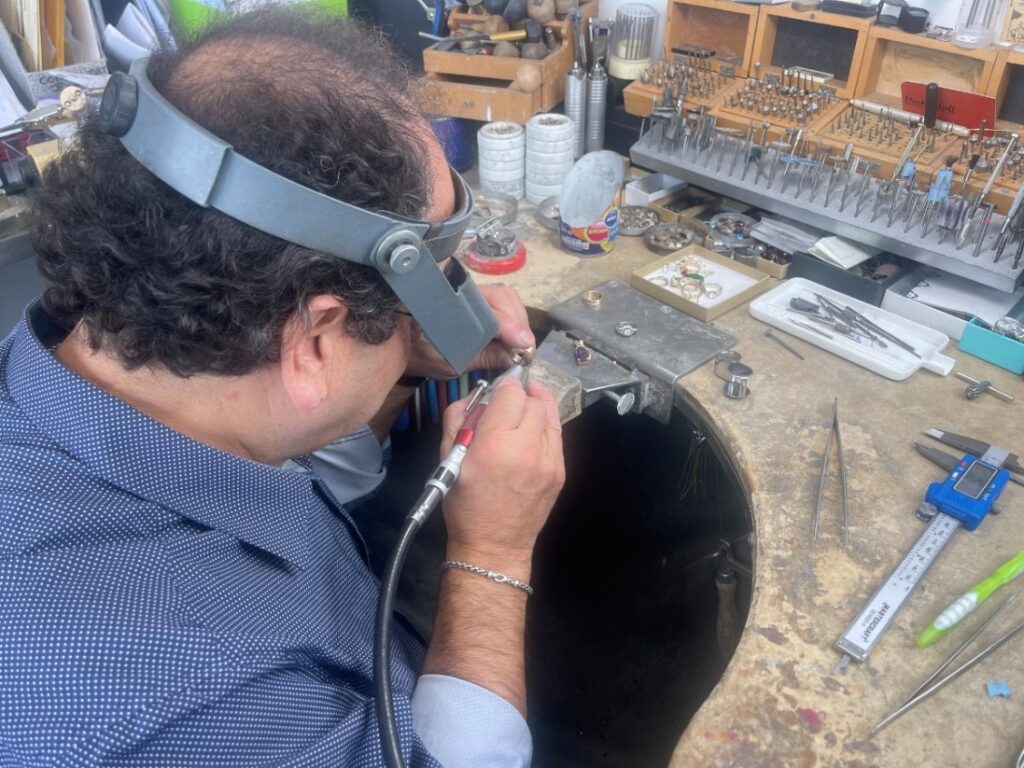
The goldsmith’s philosophy centers on one core idea: an heirloom must keep its spirit while becoming safe and practical to wear today. Each piece is considered on its own history, wear, and function, then directed towards repair, meticulous replication, or a subtle reinvention that still rings true to the original.
Respecting History
Honoring history begins with the design. A preservation-oriented goldsmith will retain the principal lines of a ring, the profile of a pendant or the hand-cut facets of an ancient stone whenever the form permits. Worn claws could be rebuilt to the old form, not exchanged for a trendy shape that alters the appearance.
It involves a lot of research. The goldsmith researches hallmarks, metal alloys, and engraving styles to situate the piece in an era and if possible, connect it back to a maker or geographic area. A 1920s platinum ring with calibre-cut sapphires, for instance, will be refashioned with settings and finishing that are consistent with early Art Deco pieces, not some one-size-fits-all modern option.
The sentimental and cultural value of the jewellery is as important as the resale value. A plain silver pendant from a grandparent gets cared for the same way as a diamond brooch because the intention is to safeguard tales and remembrance, not just value.
A lot of goldsmiths pass these stories back along to the client. They may tell you a ring was probably made in the 1950s in 14k yellow gold, why the engraving was done by a local artisan, or how it was worn every day based on the wear patterns. This background connects the wearer to the previous owners.
Modern Technology
Modern tools back that respect for history. Microscopes, digital calipers, and metal-testing devices help map cracks, worn joints, and past repairs before any work starts, so the goldsmith knows precisely where the structure is weak.
Laser welding is found in fine restoration, as it can fuse small metal regions adjacent to heat-sensitive stones without dislodging them. CAD design and 3D printing come in when a lost piece, such as a missing gallery detail or a broken clasp, must be recreated with close symmetry. The computer model allows the goldsmith to experiment with proportions and then cast or mill a part that joins the old piece with little additional cutting.
These tools don’t replace hand skills. They render measurements more precise and reduce trial and error. Filing, setting, and polishing are still entrusted to the goldsmith’s eye and hand. Complex jobs, such as rebuilding a shattered ring shank around an heirloom stone, often blend all of this: digital planning, laser joins, and slow bench work for the final shape.
Ethical Choices
Ethical decisions craft every step of revival. When stones or metal need replacement, the goldsmith seeks out ethically sourced or recycled options. For example, sourcing certified recycled gold of the same karat as the original band ensures that the metal footprint stays low and still matches color and wear.
Whenever possible, original components are recycled. Old prongs can be drawn down and rebuilt. Worn metal is melted and rolled into a new shank. Side stones are reset into sturdier settings. This eliminates waste and conserves more of the genuine article that relatives used to sport.
Transparent dialogue fosters confidence. Customers are shown where fissures run, which stones are fractured, and what affordability options exist at various price levels. Every modification, like going from a delicate claw to a low bezel for everyday wear, is described in straightforward language, with photos or diagrams whenever helpful.
Workshops that follow this philosophy often build simple, sustainable habits too: careful metal recycling, dust collection for refining, durable rather than disposable tools, and repairs designed to last so the piece does not need constant rework. It’s about a ring, brooch, or pendant that honors its history, suits the owner’s current life, and can be inherited yet again without secret uncertainty about how it was resurrected.
Beyond The Repair
Repair isn’t over when a piece walks off the workbench. It is the long-term care, storage, and documentation that ultimately determine how long an heirloom can remain in daily life before it veers back towards damage or even beyond repair once more.
Future Care
- Wipe with a soft, lint-free cloth after each wear.
- Mild soap, lukewarm water, and a soft brush are recommended for gold and most stones. Avoid soaking glued settings and porous stones such as opal, pearl, turquoise, and coral.
- No harsh chemicals, ultrasound, or steam for antique, enamel, or fragile pieces.
- Wear jewellery last (after lotions, perfume, hair products) and first to come off.
- Take off rings and bracelets for sports, heavy lifting, gardening, and cleaning.
- Maintain an annual or 18 to 24 month professional inspection schedule to check prongs, clasps, and solder joints.
- Ask for written care instructions that match the exact piece: metal type, stones, setting style and age.
- Avoid stress on vintage links by handling heavy necklaces or bracelets with both hands.
Routine check-ups help identify loose stones, worn claws or hairline cracks before they cause loss. Take, for instance, an old platinum engagement ring. It could appear to be perfectly fine yet have thin prongs which a jeweller can rebuild well before the diamond is in danger. This type of continuous maintenance can postpone the moment when repair is no longer safe or economically sensible.
Proper Storage
Use this checklist to set up storage at home with the same care that went into the restoration:
- Bag up everything in its own soft pouch or lined box to prevent pieces from scratching each other, particularly diamonds against softer stones.
- Go for boxes that have padded fabric-lined interiors and secure clasps so nothing rattles or falls out.
- Lay necklaces flat or hang them on individual hooks to prevent kinks in older chains.
- Store jewellery in a dry environment in a stable place like a drawer, away from direct sunshine, heaters, and humid bathrooms.
- With silver or high-copper alloys, try anti-tarnish strips or cloth. Never seal damp pieces in airtight bags.
- Guard pearls, opals, or enamel against sudden temperature or moisture changes.
- No more heirlooms loose in drawers, plastic bag piles, or mixed trays where they can tangle or chip.
Well-considered storage can slow the type of wear that renders antique or vintage pieces so worn, thin, or corroded that a subsequent repair either chances complete collapse or is priced above the item’s value.
Insurance Value
Many restored heirlooms sit in a grey area: their monetary value may be modest, but their emotional value is hard to measure. Beyond the repair an updated appraisal after restoration documents present-day market value, metal weight, stone quality and how the work transformed the piece. This matters because market prices for gold and gemstones fluctuate, and that 10-year-old appraisal might not account for a realistic replacement cost today.
Good documentation saves you if the piece is ever lost, stolen, or damaged again. Good photos, a description of the design, and a listing of all restoration steps assist in illustrating what was there prior to the loss. In other cases, this file becomes critical when a jeweler has to determine if a new repair is structurally sound or if the piece has drifted into “beyond repair” territory from missing components, metal fatigue, or unavailable expertise.
Insurance for full replacement value doesn’t always mean you want a modern replica. For a grandparent’s brooch that you could never reconstruct, you’ll likely insure it for the price of re-purposing its diamonds or enamel to fashion a new ring or pendant. Parts can be saved even if the frame is lost, which helps ease the sting when metal is too thin, joints are too split, or replacement parts are exhausted.
Maintaining up-to-date valuations, generally every 3 to 5 years or following significant market shifts, provides you a practical foundation for these tough decisions. When repair costs begin to approach and exceed market value and safe material limits, you can at least strategize how to extend that story forward in a new incarnation rather than losing it entirely.
Conclusion
Heirloom jewellery is not about the tarnished metal and stones alone. It has deep roots in real lives. Every ring, brooch, or chain can signify a tale, a vow, or a tough victory. Good restoration work preserves that connection and still suits your modern lifestyle.
You witnessed how a thorough inspection, a transparent blueprint and an expert goldsmith can revive frayed claws, hazy stones and twisted bands. Other pieces need a good clean. Some require courageous transformation. Some just seem perfect as is, imperfections and all.
So, to step forward, take out that old piece, examine its scars, and inquire what you would like to preserve, mend, or transform. Then talk to a jeweller you trust and begin that next chapter.
Frequently Asked Questions
How do I know if my heirloom jewellery is suitable for restoration?
Professional evaluation is crucial. A master goldsmith will examine the metal, diamonds and stones, setting and overall structure. They will walk you through risks, costs and options allowing you to determine whether to restore, redesign or leave it be.
What happens during the heirloom jewellery restoration process?
This typically involves an inspection, cleaning, structural repairs, gemstone tightening or replacement, and refinishing. We record every step and consult with you to preserve sentimental significance while enhancing safety, longevity, and aesthetics.
Are there special challenges with antique metals and gemstones?
Yes. Older alloys, delicate settings, and worn or rare stones require special attention. They can be ruined by heat, pressure, or modern tools. A good restorer knows old methods and tools and customizes his approach to preserve as much of the original detail and integrity as possible.
Should I repair, redesign, or keep the heirloom unchanged?
It varies with condition, sentiment and your intent to wear it. Restoration preserves the original design. Redesign refreshes style or comfort. Leaving it as is keeps the history. A trusted goldsmith can walk you through options and consequences.
How does a goldsmith’s philosophy affect my heirloom restoration?
Each goldsmith has a different philosophy. Some prioritize period authenticity, others emphasize wearability or design. Their ethos will dictate materials, techniques, and the degree to which they modify the original work. Inquire about their values before you ante up.
Will restoration reduce the historical or market value of my heirloom?
It can be done insensitively. Over-polishing, replacing original parts, or changing design can impact value. Professional restorers pursue as little reversible work as possible and will discuss with you how each possibility may affect both sentimental and market value.
What care is needed after my heirloom has been restored?
Store it, avoid chemicals, and take it off for hard work or sports. Take heirloom jewellery restoration seriously with regular professional checkups to inspect settings and wear. Taking care of it properly helps the restoration last and safeguards the piece and its tale.