
- Key Takeaways
- Material Selection
- Custom Design Elements
- Practical Lifestyle Factors
- The Lifespan Cost Paradox
- Ethics and Sourcing
- Custom Goldsmith Collaboration
- Conclusion
- Frequently Asked Questions
- What is the most durable material for a men’s wedding band?
- How do I choose the right material for my lifestyle?
- Are custom men’s wedding bands worth the extra cost?
- What is the “lifespan cost paradox” with wedding bands?
- How important is ethical sourcing for men’s wedding bands?
- Can I customize design elements like texture, finish, and engraving?
- Why work directly with a custom goldsmith instead of a big retailer?
Key Takeaways
- Instead, focus on selecting a material that matches your daily lifestyle, skin sensitivity and style preferences. For example, gold, platinum, titanium, tungsten and tantalum have varying degrees of durability and maintenance requirements. Think about how classic or contemporary you’d like the band to appear and how much maintenance you’re willing to give it throughout the years.
- Consider metal-specific strengths prior to selecting, including gold’s timeless appeal, platinum’s ultimate longevity, titanium’s lightweight comfort, tungsten’s scratch resistance, and tantalum’s contemporary resilience. Leverage this comparison to strike the right balance of comfort, cost, and long-term appearance.
- Customize the band with custom design details such as mixed-metal inlays, special surface finishes, unique ring profiles, hidden stones, and micro engraving. Pick images or inscriptions that represent meaningful moments in your life, your beliefs, or something you share with your spouse.
- Develop a lifestyle checklist that includes your work environment, any sports or manual activities you participate in, exposure to chemicals or water, and comfort including ring width and interior fit. Pair these considerations with metals that can support everyday wear and styles that will remain functional and comfortable for years to come.
- Consider long-term cost rather than price alone. Compare initial costs, anticipated wear and maintenance, and potential repairs or resizing. Do a basic head-to-head cost comparison to find out which material provides the most value throughout the ring’s lifetime.
- Well, ask specific questions about ethical sourcing, recycled or fair-trade options, and supply chain transparency. Consider working with an experienced goldsmith to polish the design. Checking in on sketches or prototypes during a consultation makes sure the final men’s wedding band is not only made responsibly but is also made to look exactly how you envisioned it.
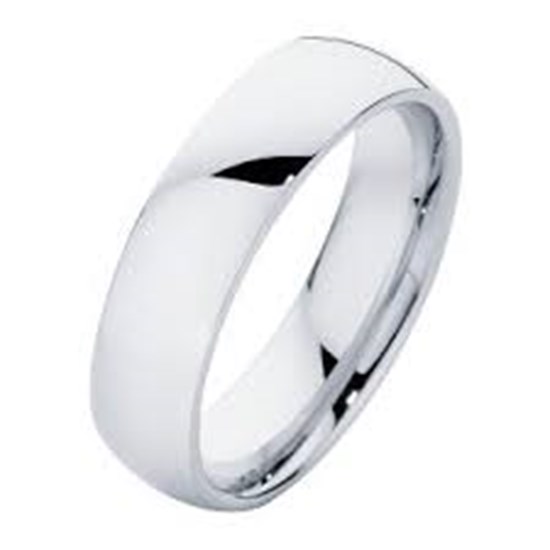
Men’s wedding bands are rings that a man wears to signify the marriage, usually made from metals such as gold, platinum, titanium, or tungsten. They range in width from sleek 2 mm bands to a robust 8 mm and can be smooth, brushed, hammered, or embedded with petite diamonds. Many brands offer hypoallergenic metals and comfort-fit shapes, which allow the ring to sit better on the finger for daily wear. Styling options frequently correspond with lifestyle, budget, and other jewelry you might already own, like a watch or bracelet. To navigate metal types, finishes, sizing, and long-term care, the upcoming sections delineate crucial information so the decision seems obvious, intimate, and pragmatic for daily living.
Explore the available ring designs to compare styles and find inspiration for a wedding band that reflects your personal taste.
Material Selection
Material defines the appearance, tactile impression, and durability of a men’s wedding band through decades of frequent wear. Here are the main considerations: look, feel, skin sensitivity, maintenance requirements, and how well the metal fits both your lifestyle and fashion.
Gold Varieties
 Yellow, white, and rose gold all have a unique feeling. Yellow gold is warm and traditional, frequently selected to mirror the bands of mom or grandma. White gold appears cooler, more modern, and pairs well with steel watches or minimalist styles. The soft pink tone of rose gold has an understated quality on darker skin and is more noticeable on lighter skin. This resonates with those looking for something traditional yet just a little different.
Karat levels are important for both hue and durability. Higher karat gold, like 18K, has richer color but is softer, so it can show marks sooner. Lower karat choices such as 14K introduce additional alloy metals, making them more resilient yet still appearing elegant. Many folks choose 14K as a compromise between durability and warmth of tone.
Gold’s long tradition in wedding jewelry provides continuity. It retains its value, can be fixed by any jeweler almost anywhere in the world, and can be resized or inherited. The metal itself is quite soft, which makes detailed patterns, milgrain edges, or mixed finishes easier to do, but means more polishing if worn in hands-on work.
Platinum Strength
Platinum has a naturally white color that doesn’t depend on plating. It maintains its tone over time and resists tarnish in everyday wear. It has a thick, hefty quality in the hand that some equate with a premium product.
The metal is a great option for sensitive skin as most platinum bands utilize very high-purity alloys that contain very few irritants. It’s more expensive than gold at comparable design granularity, but its wear-down is gradual, more of a metal shifting than metal loss, which allows for long term settings for diamonds or other stones.
Titanium Benefits
Titanium fits those who want to forget they have a ring on. It’s extremely light, which aids you in sports, travel, or work where bulky pieces weigh you down. At the same time, it has a high strength to weight ratio, so it maintains form through everyday strain.
It doesn’t rust and holds its own against sweat, seawater, and most chemicals you encounter in normal life, so it suits active or outdoor lifestyles. The main trade-off is resizing. Because the metal is so hard, adjusting the band later can be limited, and some styles need a full remake instead of a simple stretch.
Tungsten Durability
Tungsten carbide is extremely scratch resistant, which maintains a crisp, new look even if you work with your hands or do manual labor. Its dark gray hue and robust shine exude a dramatic, industrial flair that many consider audacious. It is far heavier than titanium, so it feels weighty on the finger and can connote a rugged, industrial personality.
This hardness brings brittleness. With a hard impact, such as a drop on hard tile or a strong metal hit, tungsten cracks or shatters rather than bends.
- Daily rubs against desks, doorknobs and gym gear seldom scar it, and the band can look new for years.
- Sweaty work — weight lifting, handling equipment — can scuff softer metals. Tungsten’s hard surface brushes off the majority of this contact.
- Most designs maintain a clean polish or brushed finish with minimal refinishing required, which minimizes long-term maintenance and visits to the shop.
- For those who prefer a “set it and forget it” band, this hardness imparts a stable surface that wears down very slowly.
Tantalum Resilience
Tantalum is an exciting fresh option in men’s bands, characterized by a beautiful blue-gray hue that deepens slightly with depth and finish. This hue complements light and dark skin alike and shines without bright shine, perfect for the subtle dresser.
It’s tough and resists corrosion, so it doesn’t react much to sweat or water or most mild chemicals. The surface will develop a soft patina that most wearers consider character, not damage. Tantalum is typically hypoallergenic, so it suits folks who break out with nickel or other standard alloy metals, delivering a silky, itch-less wear.
Tantalum has good workability, unlike some other hard metals. Jewelers can engrave, inset details with contrasting metals, or carve comfort-fit interiors with curved inner edges that slide softer between the digits. This combination of durability, skin compatibility, and aesthetic variety makes it a contemporary substitute for more traditional metals.
Custom Design Elements
 Custom design features in men’s wedding bands transform a basic ring into something intimate, frequently with touches that reflect style, beliefs, and even ancestry.
1. Metal Inlays
Metal inlays contribute additional colors and symbolism. A traditional combination is yellow gold with a white gold or platinum band or black titanium with a shiny silver inlay. These opposites can symbolize harmony in a partnership or two souls uniting. Others mix rose gold with grey titanium for a gentler, contemporary aesthetic.
Non‑metal inlays bring a different type of character. Wood inlays, such as walnut or oak, can suggest nature, tradition, or family art. Carbon fiber is perfect for those who prefer a light, contemporary design with a technical essence. Ceramic inlays add vivid color with high scratch resistance. Whatever you choose, each has its own tale and toughness, so it’s good to inquire how it will age over years of regular use.
Patterns in the inlay can reflect culture or background. A Celtic knot, a local architectural line, or national-flag-matching colors can connect the band to backdrop or collective memory. If you’re repurposing a family heirloom ring, the metal can occasionally be molten and inset as an inlay, preserving the old piece in a new incarnation. If you’re exploring ways to coordinate a wedding band with other meaningful pieces, browse the necklaces, pendants, and brooches portfolio for additional jewellery design inspiration.
For everyday use, the inlay has to have tight grooves and sharp lines. A quality ring band will hold gentle materials shielded with hard metal edges so the ring can withstand the relentless jostling of use.
2. Surface Finishes
Surface finishes alter the way a ring captures light and the amount of maintenance it requires. Polished finishes are shiny and reflective, whereas matte and brushed finishes feel more understated and tend to mask minor scratches. Hammered textures introduce a hand-worked aesthetic that complements both rustic and sophisticated motifs.
Custom design elements such as mixed finishes emphasize design lines, like a brushed center with polished edges on a titanium, silver, or gold band. Over time, high polish reflects wear earlier, whereas brushed and hammered finishes tend to age in a gentler, more uniform manner.
3. Distinct Profiles
| Profile | Look | Feel on Finger |
|---|---|---|
| Flat | Clean, modern lines | Sits bold, stronger edge feel |
| Domed | Classic curved surface | Smooth, often most comfortable |
| Beveled | Angled edges, defined outline | Balanced, less bulky on the hand |
| Concave | Edges higher than center | Striking, more niche style |
Profile impacts comfort and presence. A domed shape usually flatters the softer, classic-minded, whereas flat or beveled profiles feel more crisp and contemporary. Concave profiles command attention and become a definitive signature style when combined with unique metals or finishes.
4. Hidden Gemstones
Secret jewels nest on the interior or inconspicuous edge of the ring, so the symbolism remains intimate. Small diamonds, sapphires, or black diamonds suit the space perfectly, as do birthstones that match a partner, child, or important date.
Color can carry quiet messages: a deep blue sapphire for loyalty, a green stone to mark a shared love of nature, or a stone taken from an existing family piece. Gem settings cannot dig into skin, so low, smooth options like flush or bezel settings beat prongs inside the band.
These protective settings protect stones from damage as the band brushes against the hand or other surfaces throughout the day.
5. Micro Engravings
Micro engravings introduce words and images without altering the exterior style. Initials, wedding dates, a little something in a shared language, or even GPS coordinates of a special place all fit on this smaller surface.
Laser engraving permits fine lines, crisp fonts and even little icons that are helpful when the band is skinny or the message is brief. Script fonts, straightforward sans-serif characters, or small icons like stars or ethnic patterns will suit either a contemporary or retro-influenced band.
Space is at a premium, particularly on bands less than about 4 mm wide, so verifying character counts and font size with the jeweler is essential. Custom Design Elements Adding engravings, inlays and finishes will vary in cost, depending on the materials, level of detail, and time a craftsperson spends shaping it.
Practical Lifestyle Factors
Practical lifestyle factors. Daily habits, work, and hobbies tend to determine which ring will continue to remain safe, comfortable, and looking good over time.
Daily Wear
For the majority of daily-ring wearers, low-maintenance metals are a tremendous help. Materials such as platinum, palladium, and harder gold alloys, like 14k, will generally withstand minor bumps and scratches better than super-soft metals. Stainless steel and titanium remain tidy with minimal attention, which appeals to anyone who isn’t interested in buffing or babying the ring on a weekly basis.
The band shape is a big part. Soft, rounded edges slip under sleeves and gloves and won’t snag on pockets, backpacks, or hair. This is important for people who put on and take off a lot during work or who have tools and sports equipment where a jagged edge may catch.
If the ring has stones, inlays, or mixed metals, the setting needs to be sturdy. Flush or bezel settings trap stones within a rim of metal, diminishing the catching risk on fabrics. Channel-set stones that sit in a recessed track can be safer for daily wear than high prongs, which are better for occasional or office wear.
For hands that see a lot of rough use—construction, warehouse work, mechanics, or outdoor sports—simplicity tends to fare better. Deep engraving, sharp patterns, and soft inlays like wood or some resins can chip, get filled with dust, or wear down quickly. A simple band or understated brushed finish can outlast years of banging against almost anything with less touch-ups or swapping.
Resizing Limits
Resizing is different for each metal, so it’s good to plan ahead. Classic metals like gold, platinum, and palladium are generally easy to resize up or down by an experienced jeweler, providing a little more wiggle room for feel-good adjustments.
Finger size naturally changes with age, weight gain or loss, climate, or health. A resident of a frigid climate would experience finger puffiness during summer months, whereas an individual could observe fluctuations related to physical activity or pharmaceuticals. Planning for that possibility now can save you from full ring replacements later.
Because of their hardness or brittleness, tungsten and the majority of titanium rings cannot be resized conventionally. Certain brands have exchange programs instead of resizing, but that is up to the seller. Anyone sold on these metals should inquire upfront what occurs if the fit ceases to work.
A good sizing chart is definitely something to ask for prior to purchase, particularly if you’re ordering online. It needs to include information on measuring at various times throughout the day, how tightly the ring should feel over your knuckle and how wide bands can alter the sense of tightness.
Finger Shape
Finger shape determines what wedding band appears and feels balanced. If you have long, skinny fingers, medium to wide bands, roughly 5 to 7 millimeters, provide a solid, grounded appearance. Individuals with shorter or squatter fingers often gravitate towards more slender bands, 3 to 5 millimeters, as they tend to be weightless and may minimize the appearance of a bulky hand.
Knuckles mold convenient. For pronounced or irregular knuckles, a comfort-fit interior, which has a slight curve on the inside, can slide on more easily while still feeling secure once in place. It’s great for those who have a hard time slipping rings over their knuckle without pinching at the finger base.
Trying on different profiles really helps me before I decide. Flat profiles appear clean and crisp, domed profiles come across as more traditional and gentle, and beveled edges provide a little visual interruption on wider bands. Reviewing these styles on the real hand either in store or with sample bands generally makes the right choice far more obvious.
The Lifespan Cost Paradox
Here’s the lifespan cost paradox — a cheap item can actually cost you more than a pricey one, since it breaks, wears out, or needs work more often. With men’s wedding bands, this frequently manifests itself in tangible ways. A low-cost band might look clever at first, but when it scratches fast, bends out of shape, or can’t be resized, you’re likely repurchasing a band or paying for repairs more than once. A nicer band may seem costly on day one, but if it lasts decades with minimal maintenance, the actual cost per year could be lower.
For wedding bands, long-term cost is shaped by three main things: how tough the metal is, how easy it is to fix or resize, and how often it needs professional care. For instance, a soft silver band is cheaper over the counter, but it can scratch deep and bend if you use your hands as a laborer. It could stain and require additional washings. A platinum band costs more, but it maintains its shape, retains its color, and can be resized by most capable jewelers. Over 20 or 30 years, that gap in strength and maintenance can reverse the equation.
Resizing and repair costs can affect the true cost of a wedding band over time. Gold and platinum bands can often be resized by a skilled goldsmith, depending on their design and construction. This can be useful if your finger size changes with age, weight fluctuations, or other factors. Tungsten and many ceramic bands are much harder or impossible to resize using conventional methods, so replacement may be necessary if the fit changes.
Some buyers prefer a lower-cost band and accept the possibility of replacing it later. Others choose a mid-range or premium ring they expect to wear for many years, with routine cleaning and occasional professional maintenance. The right decision depends on your budget, lifestyle, and long-term preferences.
Below is a simple cost-per-year comparison using illustrative estimates in Canadian dollars (CAD). These figures are examples for comparison, not verified market averages or guaranteed lifespans.
| Material | Example purchase price (CAD) | Illustrative lifespan | Estimated cost per year (CAD) |
|---|---|---|---|
| Silver | $120 | 5–8 years | $15–$24 |
| Stainless steel | $150 | 8–10 years | $15–$19 |
| 9K gold | $375 | 15–20 years | $19–$25 |
| 18K gold | $900 | 25–30 years | $30–$36 |
| Platinum | $1,350 | 30+ years | $45 or less* |
| Tungsten carbide | $225 | 15–20 years* | $11–$15 |
These are illustrative calculations based on the example purchase prices and lifespan ranges shown. Tungsten carbide bands are generally replaced rather than resized, and actual costs may increase if a replacement is needed. Platinum’s annual cost will depend on how many years the ring remains in use.
A higher initial price may feel more manageable when spread over many years of wear. However, a less expensive ring can also be a sensible choice if you prefer to change styles or expect to replace it in the future. The same principle applies to many everyday purchases: consider more than the price tag alone, including comfort, durability, maintenance, repair options, and how long you expect to wear the item.
Ethics and Sourcing
 Ethics and sourcing influence more than a men’s wedding band style. They impact individuals, environments, and the compatibility of the ring with your ethics in the long run. In a world where more buyers care how things are made, peeking at what stands behind the band matters as much as the style.
Verify responsible sourcing for conflict-free metals and stones
Conflict-free means that metal or stone didn’t fund armed groups and didn’t come from abusive areas. Ethical sourcing includes fair pay, safe work sites, and legal mining. When you see diamond or gemstone bands, inquire if they are certified conflict-free and from audited mines or cutting centers. Others cooperate exclusively with vendors who apply reputable conflict-free stone schemes or turn to lab-grown diamonds to sidestep mining risk. With metals, inquire about where the gold, platinum, or palladium was mined and whether it complies with any third-party standard. A simple metric is how transparent the jeweler is regarding mine sources, labor regulations, and environmental safeguards. Ambiguous assertions and no identifiers, reports, or documentation are red flags.
Choose recycled or fair-trade materials for sustainability
Recycled metals, whether it is reclaimed gold or silver, reduce the need for new mining, which can be harmful to land and water supplies. There are jewelers who melt down old jewelry, e-waste, or industrial scrap and make that into new bands, with no difference in quality. A few brands even run take-back programs where you can mail in old rings or chains to be repurposed into a new men’s wedding band. Fair-trade gold is sourced from small mines that adhere to regulations on safe work, no child labor, and higher wages. If you care about climate impact, inquire if the brand uses renewable power in its workshops, offsets its carbon footprint, or utilizes low-impact chemicals in refining. Green packaging, like recycled paper boxes, and carbon-neutral shipping contribute to the ring’s complete footprint.
Ask about transparency in the supply chain
Ethical claims do not assist unless supported by transparent evidence. In transparency, the jeweler can demonstrate every step of the way where the metal and stones originated, who handled them, and under what guidelines. A transparent brand will release partner lists, audit reports, or traceability tools, even if the picture isn’t perfect yet. A few provide batch numbers or digital passports for each ring, so you can trace metal origin, stone grading, and where in the workshop it was made. You can ask direct questions: Which country mined this gold? Is this diamond natural or lab-grown? Do you have third-party checks for your vendors? The tone of the responses is revealing. Plain, easy-to-understand facts are a good indication; unclear buzzwords with no specificity generally aren’t.
Prioritize jewelers who adhere to ethical standards
Ethical jewelers incorporate these practices into their process, not as an afterthought. They pledge conflict-free sourcing, recycled or responsibly mined metals, and conflict-free zones with fair labor for gemstones. Many of them are now utilizing reclaimed silver and gold, investing in cleaner tech, and tracking or offsetting their carbon output. They might become part of trade associations or publish annual impact reports to hold themselves accountable. When you shop, shop beyond style and price. See if the brand has a transparent ethics page, defined standards, and tangible examples, such as a recycling program for old jewelry or sustainable packing materials. That sort of detail demonstrates continuous effort, not a tagline.
Custom Goldsmith Collaboration
Custom goldsmith collaboration provides you with an avenue to craft a men’s wedding band that encompasses your life, not a storefront. It’s slower and more hands-on than purchasing a ready-made ring, but it can yield a creation that feels personal, practical and made to endure. Working with a custom jewellery studio can help you explore design ideas, materials, and details suited to your lifestyle.
Partner with skilled artisans to bring unique visions to life. A custom project starts with choosing the right goldsmith or studio. Many clients look for a bench-trained goldsmith with strong metalwork skills, clear communication, and a portfolio that matches their taste, whether that is clean modern bands, detailed vintage work, or rugged textured styles. Checking past work, reviews, and how they explain their process helps you judge both skill and reliability. A good goldsmith will ask how you use your hands each day, if you work with tools, or if you need something low-profile that will not catch on pockets or gloves. This focus on daily wear turns the band into something both beautiful and functional instead of a piece that feels too delicate to use.
Talk design ideas and preferences straight to the goldsmith. Most custom bands evolve from casual discussions about shape, width, and metal. For instance, you could drill it down to a 5 mm flat 18k yellow gold crushed band with smoothed edges for comfort. Others like to introduce heirloom gold or a little stone from a family ring to inject some silent sentimentality. The conversation usually includes lifestyle, budget range, and any cultural or personal symbols that are important, like a pattern from a family textile or a date engraved on the inside of the band.
Approve sketches or prototypes prior to final production. Sometimes after the initial meeting, the majority of goldsmiths provide hand sketches, digital renders or a 3D-printed or wax model. This can include multiple iterations of changes, particularly for complicated designs or mixed metals. Every adjustment takes time and adds cost, but it avoids costly repairs down the line. Specific comments on comfort, thickness and little things like edge style or engraving depth will help ensure the final ring matches your vision.
Pricing can fluctuate significantly based on metal selection. Platinum tends to be pricier than 14k gold, for instance. Design intricacies and texturing also play a role. A simple 4 mm brushed band will typically fall near the bottom of our custom price range, whereas a wide band featuring hand-carved motifs or fine inlays can be quite a bit higher. Turnaround times can vary from a few weeks to months, particularly in jam-packed wedding season or for intricate pieces. It’s good to begin the process long before your wedding date. Robust communication and trust throughout the idea, quote, prototype, and final polish help both sides navigate pivots and stay in sync on cost and schedule. After all, your ring is typically worth more than its metal. It reflects your style, your narrative, and the attention you invested into something that you might wear every single day.
Conclusion
To recap, a men’s wedding band does much more than just sit on a finger. It contains your daily habits, spending decisions, principles, and style all in one tiny band. Metal selection influences weight, appearance, and maintenance. Custom design brings in little cues that seem authentic, such as a matte edge or a secret engraving on the inside of the band. In addition, fit, work type, and hobbies all factor in a big way.
A more expensive ring may age better and require less maintenance. Transparent gold and stone sourcing can align with personal values. A good goldsmith transforms all that into a single piece that feels right every single day.
Got some concepts cooking for your own band? Comment below to begin crafting your ring narrative.
Frequently Asked Questions
What is the most durable material for a men’s wedding band?
Tungsten, platinum and titanium are among the most resilient. Tungsten is near-scratchproof, platinum is dense and enduring, and titanium is lightweight but robust. Which is best really depends on your lifestyle and what you find comfortable.
How do I choose the right material for my lifestyle?
Begin with your morning ritual. If you work with your hands, hardness and scratch resistance should be a concern. If you want low maintenance, look for platinum or titanium. Talk about your work, hobbies, and skin sensitivity with a jeweler to find the best fit.
Are custom men’s wedding bands worth the extra cost?
They can be worth it for a custom design and lasting comfort. Custom bands provide a neck-to-neck fit, one-of-a-kind accents, and superior metal options. Eventually, the strength and sentimentality frequently trump the elevated entry cost.
What is the “lifespan cost paradox” with wedding bands?
Cheaper bands can end up costing you more. Cheap metals can scratch, bend, or require constant replacement. Premium materials such as platinum may be pricier upfront, but they don’t require as many repairs, which brings down the cost over time.
How important is ethical sourcing for men’s wedding bands?
Ethical sourcing backs fair labor and responsible mining. It cuts down on environmental destruction and HR concerns. Seek out jewelers with recycled metals, traceable supply chains, and Fairmined or Responsible Jewelry Council certification.
Can I customize design elements like texture, finish, and engraving?
Yeah, really most goldsmiths and designers have tons of options. You select width, profile, texturing, finish and engraving. These options enable you to complement your individual style and still maintain the ring’s functionality for day-to-day use.
Why work directly with a custom goldsmith instead of a big retailer?
A custom goldsmith typically will provide more hands-on service and design options. You provide hands-on influence in materials, comfort, and ethical decisions. This partnership frequently results in a superior fit, more craftsmanship, and a ring that feels uniquely personal.