
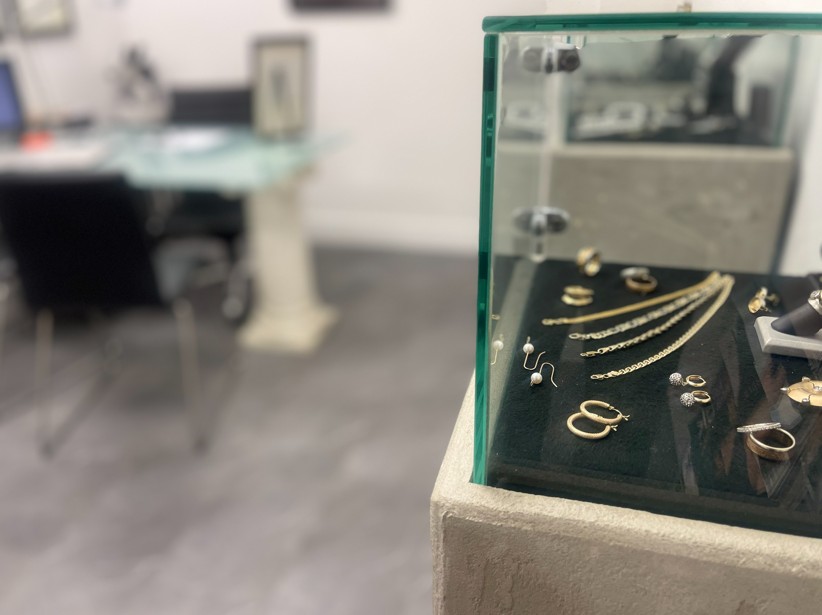
- Key Takeaways
- Defining Push Presents
- Cultural Shifts Around Childbirth
- Selecting Push Present Jewellery
- Integrating Postpartum Emotional Support
- Practical Design Considerations
- Commissioning Custom Milestone Pieces
- Conclusion
- Frequently Asked Questions
- What is a push present?
- Is giving a push present a common cultural practice?
- How do I choose the right push present jewelry?
- How can a push present support postpartum emotional wellbeing?
- What practical features should I look for in everyday push present jewelry?
- When is the best time to give a push present?
- Can I commission a custom push present to mark future milestones?
Key Takeaways
- Push presents are significant gifts that acknowledge the labor and love of pregnancy and provide new parents, particularly mothers, with a sentimental memento of this life event. Jewelry is a popular option because it is something she can wear every day, a reminder of welcoming your little one.
- Modern families are more readily embracing push presents as cultural attitudes shift when it comes to childbirth, self-care, and postpartum support. This shift from purely functional baby goods to emotional, customized jewellery is driven in part by social media and celebrities.
- When it comes to push present jewellery, go with what suits mum — her style, comfort requirements, and lifestyle. Birthstones, engraving, diamond bands, and family-themed keepsakes give the piece symbolic meaning and help chronicle the family’s story through the years.
- Designs like durable metals, secure settings, snag-resistant styles and hypoallergenic materials make jewellery safer and more practical for life with a newborn. New parents love pieces that are simple to clean, comfortable for day-to-day wear and do not scratch or tarnish.
- Push presents can help your postpartum emotional health by serving as a tangible representation of love, support, and teamwork. Open discussions about emotional needs and tastes go a long way in making sure the gift feels supportive and personally resonant.
- Teaming with your local custom goldsmith, these families create one-of-a-kind milestone pieces that combine birthstones, engravings, and family insignias with professional advice on wearability and comfort. A consultation with a professional can help translate those ideas into heirloom-quality push presents to treasure and pass down.
Push presents are gifts from a partner, family member, or close friend to a mother around the time of childbirth to commemorate the birthing of the baby and the labor process. Typical push presents include jewelry, mementos, or functional items that aid recovery or those first weeks with a newborn. Some families select the present pre-birth, while others do so after the baby arrives, which allows the present to be more representative of the experience. There is a trend toward more personal and meaningful gifts, rather than just expensive ones. To sift through the trends and traditions, the following sections demystify push presents by explaining what they signify, how they’re selected, and considerations to ponder prior to purchasing one.
Defining Push Presents
Push presents are gifts given to a new mother to mark the birth of a child and to honor the physical and emotional work of pregnancy and childbirth. The gift is a clear sign that this moment matters and that the shift into parenthood is worth naming in a concrete way. It can follow a vaginal birth, a caesarean birth, or any birth experience, and it is not tied to any one culture, age group, or income level.
A push present is not ‘a nice extra’. It symbolizes the significance of that moment and that new life. For most, they consider it means ‘I witnessed what you endured and it matters’. For others, it’s a subtle antidote to how much attention can get placed on the baby. In a 2004 survey of over 30,000 participants, 38% of new moms said they received a push present and 55% of pregnant moms said they wanted one, demonstrating just how commonplace and anticipated it has become for many families.
The concept isn’t new. Types of birth-related gifts date back centuries in the UK, India, and Egypt. In those cultures, birth-associated gifts frequently symbolized fertility, power, and the value of new life. Now, the tradition has expanded and evolved, particularly in the West, where it’s become common to celebrate in more individualized and convenient fashions. The core idea stays the same: recognize the new mother and the change in her life.
Jewelry is a popular choice for push presents because it can retain that significance for years to come. Whether it is a ring with your baby’s birthstone, a pendant engraved with a name or date, or a bracelet with tiny charms to represent every child, it is a quiet daily reminder of the day they were born. So years later, that piece can still signify the leap into parenthood or a bigger family. Certain families have even made these heirlooms, so the story of the birth becomes part of family lore.
Push presents need not be costly or even pretty. Practical gifts can be just as sweet and sometimes more useful. A few more pragmatic samples include gift cards for food delivery, a prepaid house cleaning service, a massage voucher, or a few months of help with laundry or child care. These can relieve the pressure of those first few hectic weeks. These alternatives still scream ‘you’re worth it’ in a way that addresses the new parent’s actual desires, which are sleep, time, and less stress.
Below shows who often gives a push present and what that link can mean:
| Giver | Typical Relationship to Mother | Significance of the Gift |
|---|---|---|
| Spouse or partner | Co‑parent, life partner | A show of thanks, support, and shared entry into parenthood |
| The mother herself | Self‑gift | A personal way to claim the experience and mark growth and strength |
| Close family (parents, siblings) | Immediate family circle | A sign of family support and welcome for both mother and baby |
| Friends | Chosen family or support network | A gesture of care and solidarity during a big life change |
| Workplace colleagues or team | Professional circle | A modest token that notes the milestone while respecting work–life boundaries |
As time passed, the custom became more relaxed. Jewelry, keepsakes, and uncomplicated, heartfelt gifts can all do the trick. The important thing about a push present is that it helps to cement the memory of birth in a tangible, permanent form, customized to the values and needs of each family.
Cultural Shifts Around Childbirth
Push presents exist within a larger cultural shift in how we view childbirth and early parenthood. Families have started to celebrate this stage of life with little rituals and presents that celebrate not just the baby, but the parents, too.
These days, families tend to construct their own blend of traditions. Others schedule a modest family dinner when the infant returns. Some opt for a push present, which can be a ring with the baby’s birthstone, a bracelet with initials, or a watch engraved with the date. It’s not so much about cost, but saying, “This moment counts,” in a very pronounced way. It’s been a thing for a long time, but it’s expanded and evolved as more cultures and families either embrace it or configure it to their own beliefs.
I’ve noticed more openness about self-care for new mothers and lots more open discussion about postpartum recovery. We’re all on the same page now that pregnancy and birth are extended periods of intense labor that demand explicit acknowledgment. A 2004 survey of more than 30,000 people discovered that 38% of new mothers received a push present while 55% of pregnant mothers wanted one. Others view this increase as being associated with the increasing agency of women and partners, typically men, taking a more active role in the experience of pregnancy. For some, the present is a means to acknowledge the labor of childbirth; for others, it’s a token of love and gratitude as the family embraces their new chapter.
The type of present has changed as well. In the past, many families focused on practical baby items only: a crib, a stroller, a stack of onesies. These days, more folks gravitate toward sentimental jewelry or keepsakes for the mom or dad, like a dainty initial necklace, a stackable ring for each child, or a petite charm bracelet that can expand as the years roll on. Yet not everyone is on board. Others view it as a frivolous cost or another social obligation attached to having children. A 2015 survey of Today viewers showed this split: 45% opposed the custom, 28% supported it, and 26% did not know the term at all. Detractors connect the trend to the growth in gifting surrounding every milestone and to the broader commercialization of childbirth, while proponents contend that a thoughtfully selected piece of jewelry can instead quietly commemorate a major life transition for years.
Social media and celebrity culture have contributed to pushing gifts, and in particular jewellery, into public gaze. When celebrities post pictures of diamond necklaces or inscribed rings or sports watches “for the baby’s birth,” the concept catches quickly. With feeds brimming with birth announcements and ‘hospital to home’ posts, platforms give others an opportunity to compare experiences, including presents. For some, looking at glossy photographs gives the impression that a push present has to be big or costly. For others, it just puts the idea on their radar, and they outfit it with small, personal accents that match their budget and style. Opinion stays split: some call it a sweet, meaningful gesture; others see a shallow trend driven by marketing and social pressure.
Selecting Push Present Jewellery
 Choosing push present jewellery begins with the recipient. The tradition has gained traction internationally, including in Europe, as a means to commemorate birth in a tangible, everyday fashion. The jewellery should align with the new parent’s personal style, comfort preferences, and daily routines. Whether it is a ring, pendant, earrings, or a band, whatever feels comfortable to wear on most days and has significance over time.
1. Birthstone Accents
Birthstones add obvious symbolism without seeming too sappy. For a wearable option that can incorporate a baby’s birthstone, initials, or meaningful date, custom necklaces and pendants can provide a personal way to commemorate the occasion. Some opt for the baby’s stone, some for the parent’s, and some select both so the piece references a specific life narrative, not just a style. For families who plan more kids down the line, a design that can be accented with additional stones over the years can turn a plain pendant or band into a subtle family history.
| Month | Birthstone | Common meaning |
|---|---|---|
| Jan | Garnet | Protection, stability |
| Feb | Amethyst | Calm, clarity |
| Mar | Aquamarine | Peace, hope |
| Apr | Diamond | Strength, endurance, lasting love |
| May | Emerald | Growth, renewal |
| Jun | Pearl / Moonstone | Nurture, intuition |
| Jul | Ruby | Courage, vitality |
| Aug | Peridot | Optimism, well‑being |
| Sep | Sapphire | Wisdom, loyalty |
| Oct | Opal / Tourmaline | Creativity, openness |
| Nov | Topaz / Citrine | Warmth, gratitude |
| Dec | Turquoise / Tanzanite | Protection, insight |
Mixing birthstones with neutral gems, such as white sapphires or small diamonds, can make the look more well-rounded. A thin band with an emerald for May and a diamond for April can celebrate both parent and child in one sleek stroke.
2. Engraved Details
Engraving transforms a trinket into a document. Names, initials, birth dates, or even the baby’s birth coordinates can nestle on the inside band of a ring, behind a pendant, or on the edge of a locket. Others include a short sentiment like “You are loved” or a phrase in a common tongue. The goal isn’t to write a full note, but to add a tiny prompt that will still resonate decades later.
Since engraved jewellery is intended to endure, most opt for subtle locations. Inner-ring engraving keeps his or her message near the skin and out of view, which is great for those who have a minimalist style. Others like bold script on a pendant front, particularly if they view the piece as a public proclamation of their new status. Either way, the engraving has to be clear, deep enough to last, and sized so it remains legible as the piece wears.
3. Diamond Bands
Diamond bands are such a popular push present pick because they sit beautifully alongside wedding or commitment rings and convey the same ‘forever’ sentiment. For parents considering a personalized design, custom rings can incorporate birthstones, engraving, or other details that make the piece unique to the family.
Diamonds symbolize strength, endurance, and timeless love, all of which align with the transformation that a new little one brings. Even a slim band with a row of tiny stones sparkles like a new chapter marker. Others like to stack a diamond band with an existing ring for a layered look that still feels understated enough for daily wear.
For those with a penchant for a little twist, mixed metals or colored stones can mellow out the formality. A white-gold diamond band stacked with a rose-gold plain band can reflect two parents’ rings. By swapping out some of those diamonds for sapphires or another favorite gem, you can maintain the meaning but lighten the cost. A chic diamond pendant of about 0.30 carat can begin at $400 to $500, whereas multi-stone patterns provide more budget variety.
4. Family Keepsakes
Family keepsake pieces are about more than just you. A multi-birthstone pendant, a charm bracelet where each charm marks a child, and a signet-style ring with a shared symbol can all ground the concept of family expansion. These designs often work as long-term projects. You can start with one stone or charm and add others when new babies arrive or when a major shared event happens.
Heirloom-style pieces want to get handed down. A sturdy locket containing a miniature picture or a folded note can be worn later by the kid as an adult. Charm bracelets built up over years can hold a silent cartography of family vacations, private jokes, and anniversaries. In designing these pieces, a lot of people opt for simple shapes and durable metals so the piece remains timeless and sturdy 20 or 30 years from now.
5. Everyday Heirlooms
Everyday heirlooms bridge two needs: they must be tough and easy to wear for a sleep-deprived new parent, but they should be worthy of saving for the child in the future. Smooth bands, low-profile pendants on sturdy chains, and small stud earrings usually fare well with the hand-washing, diaper-changing, and outfit-swapping. The push present has become a tradition recognized for celebrating the physical and emotional labor of pregnancy and birth. Therefore, the piece shouldn’t rest in a drawer.
Minimalist shapes allow the jewellery to blend into any wardrobe from office attire to weekend casuals. Sleek forms, neutral tones, and traditional metals allow room for the narrative—birthstones, dates, or a solitaire—to pop without yelling. Some present their push present right after giving birth and others choose to wait for an anniversary, such as a first birthday. It’s nice to select a design that will still feel appropriate and age well. A combination of sturdy workmanship, stable settings, and classic shapes increases the likelihood the piece will later be passed on to the child as a memento of their mother’s adventure and of their own arrival day.
Integrating Postpartum Emotional Support
Push presents get attention for the present, but they can be part of a bigger scheme to nurture a new parent’s emotional wellbeing in the weeks and months following delivery. The postpartum period is a significant life adjustment, and the support a new mother receives can influence how she sees herself, her body, and the new family dynamic.
Postpartum emotional support can take many forms: kind words, steady help at home, and thoughtful gifts that put the parent’s needs at the center for once. While most new parents experience joy and pride, many struggle with anxiety, exhaustion, or depression. Others feel pressure to ‘bounce back’ immediately. A push present that softly whispers, “You’re important, and your effort is recognized,” can help offset that stress. This can be as easy as a handwritten note accompanying the present that tells the parent what they’ve been through in direct, soothing terms.
Jewellery tends to play out beautifully as a representation of this support. Whether it’s a ring with the baby’s birthstone, a simple initial pendant, or a bracelet engraved with an empowering phrase, jewelry can be a great postpartum gift that becomes a meaningful daily reminder of love and support. The objective isn’t luxury for luxury’s sake but significance. For instance, a fragile necklace picked out together after discussing what would feel supportive might mean more than a pricey item purchased in a frenzy.
Supportive gifts are some very practical things. A food delivery gift card, prepaid house cleaning, or assistance with laundry alleviates the day-to-day stress and opens up time for rest and bonding. Thoughtfully timed items that emphasize comfort, such as a weighted pillow, a cozy throw, or even a personalized tumbler that keeps water within reach during feeds, can make those long days and nights a little bit easier to bear.
The most helpful thing you can do is discuss. Incorporate postpartum emotional support. Ask what would really help, emotionally and practically, before selecting or receiving any baby milestone gift or push present. Most parents will cite sleep, comfort, and communal care, respectively, as the true “indulgence.
Practical Design Considerations

Practical push presents strike a balance between sentiment and real life use. For many new parents, practical designs that are safe, easy to wear and easy to care for can matter more than luxury touches.
Key lifestyle factors when choosing jewellery for new parents:
- Frequently rocking, raising, or nursing an infant for extended periods
- Regular handwashing, sanitizer use and contact with lotions or creams.
- Fragmented sleep, with not enough time for meticulous jewelry maintenance.
- Greater chance of getting caught on blankets, carriers, or baby clothes.
- Body post-birth transformations include swollen fingers and wrists.
- Possible skin sensitivity or allergies, especially during postpartum recovery
Secure clasps and settings reduce the chance that a piece will fall off near a baby or find its way into a child’s mouth. Hypoallergenic metals and coatings prevent rashes when skin is already stressed and tired. Practical design includes Wipeswipe, which works fast and doesn’t trap soap or lotion, along with designs that fit better into days of feeds, naps, and quick showers.
These concepts translate to non-jewelry push presents as well. A smart baby monitor, physical therapy package, or premium breast pump needs to be convenient, comfortable, and multipurpose, or it will gather dust. A fun robe and a small home appliance that slashes chores or even a monogrammed silk robe or custom family portrait can be “practical” if it removes friction, saves time, or lifts mood in those first weeks when new parents are still adjusting. The core test is simple: does this gift lower stress, free up minutes for rest, or make daily life feel smoother so there is more space to bond with the baby?
Metal Durability
- Platinum is very dense, highly resistant to wear and bending. It keeps its color without plating and is good for people with metal allergies. It often has a higher price but is ideal for everyday rings and bracelets.
- 18k gold (yellow, white, rose): Strong yet a bit softer than platinum. It holds up well to regular use. White gold may need re‑plating to keep its bright tone. It can be a good middle ground between luxury feel and sturdiness.
- 14k gold: Harder and more scratch-resistant than higher-karat gold because it has more alloy metals. It is popular for daily wear and is often more budget-friendly and practical for parents who will not remove jewellery often.
- Sterling silver: Softer and more prone to scratches and dents, can tarnish with sweat, humidity, or some skin chemistries. It works better for earrings or necklaces worn part-time rather than for rings that take more impact.
- Titanium and stainless steel: Very tough and scratch‑resistant, light on the skin, often hypoallergenic, usually more modern or minimalist in style, suitable for simple bands that can handle constant wear.
Metals that resist scratching and tarnishing are simpler to maintain looking clean without special attention, a blessing when time and energy are scarce. By checking any history of metal allergy or irritation prior to purchase, it circumvents having to replace the piece down the road. For a high-value push present, many parents find it helpful to consult with a custom goldsmith, who can tell you which alloys wear best under actual, hectic, hands-on usage.
Snag Resistance
- Opt for low-profile rings, pendants, and bracelets that nestle close to the skin, so they won’t snag on baby clothes, wraps, or hair.
- Do seek out bezel or flush settings, where the metal rim encircles the stone. This style safeguards the gem edges and smooths the surface against little fingers and soft fabrics.
- Do check the piece by passing it over a thin knit or muslin cloth before purchase. If it catches threads in the boutique, it will catch at home.
- Don’t choose designs with tall, pointed prongs, giant protruding side stones or delicate filigree that will catch on threads and dust. They may appear fragile but can scratch a baby’s skin or rouse a sleeping child when they snag on a blanket.
- Don’t even get me started on necklaces with dangling charms that swing into the baby’s grasp. Everything goes into the mouths of so many children!
For active moms and caregivers who bend, lift and bob all day, practical design means jewellery that doesn’t need to be on your mind. A snug eternity band or a salient pendant on a solid chain or flat backed stud earrings can remain on through feeds, stroller walks and cat naps un-snagged and un-poked. Similarly, a time-saving push present such as a robot vacuum or a smart baby monitor needs simple, snag-free controls and minimal small parts, so it facilitates daily life instead of giving you one more thing to wrangle.
When selecting a gemstone for an everyday push present, durability is worth considering alongside appearance. The Gemological Institute of America explains that gemstone durability involves more than hardness; toughness and stability also affect how well a stone withstands everyday wear and environmental exposure.
Commissioning Custom Milestone Pieces
 Commissioning a custom milestone piece for a push present or new baby gift means shaping a one-of-a-kind item that captures a very specific moment in time. A custom jewellery studio can help turn ideas such as birthstones, engraving, family symbols, and meaningful dates into a cohesive design. It transcends purchasing ‘something nice’ and makes the gift itself part of the narrative.
Working with a custom goldsmith typically begins with a straightforward conversation, either face to face or virtually. You provide the occasion, the budget range, and recipient(s). For a push present, that could cover how the wearer dresses daily, if they’re hard on their hands, and if they’re more into rings, earrings, or a pendant. You then peruse some past work and rough sketches. From there, the goldsmith polishes one design, finalizes materials, provides an estimate, and establishes a schedule before bench work commences.
Designing something custom means you can opt for details that store pieces rarely have. A pendant could feature the baby’s birthstone and a miniature initial or date engraving on the back. A ring band might conceal a pattern reflecting a lullaby’s sound wave or have tiny stones for every kid in the clan. Some parents even design in room to add more stones if the family expands. These choices can build a quiet sense of ritual: a pendant for the first child, a ring for the second, a bracelet charm for the third, all linked by a shared design language.
Mark Katzeff Designer/Goldsmith Inc. Injects deep craft into this process, from hand-carved wax models to painstaking stone setting and metal finishing. Such a workshop is used to balance cost, durability, and design, be it 14k, 18k, or a mix of metals. Pricing can vary significantly depending on the size and quantity of stones, metal weight, and design complexity. A quality goldsmith will itemize it so you know exactly where the money is going.
A quick consultation with Mark Katzeff Designer/Goldsmith Inc. Can encompass concepts, metal selections, ethically sourced stone alternatives and engraving, giving that last-minute gift a personal and intentional flair and creating a memento or heirloom for years to come.
Conclusion
Push presents occupy a nice sweet spot. They administer a cocktail of joy and pain, fear and pride, and genuine love in one tiny trinket. A birthstone ring, a thin band with a date, or a charm with a miniature handprint. Each design can commemorate a major life transition, not just a fashion statement.
Some parents desire a statement piece. Others want a subtle band they sport every day. Others desire a silent display of attention, such as rest or sustenance, and assistance with the little bugger. All of that still adds up.
To cap it all, employ the push present chat as a vehicle to catch up on needs, cash, and affection. Turn that talk into one more way you show up for one another.
Frequently Asked Questions
What is a push present?
A push present is a gift to mom to celebrate the arrival of the baby. It’s usually from a partner or close family. Jewelry for many is the choice because it’s enduring, customizable, and a beautiful memento.
Is giving a push present a common cultural practice?
Push presents are getting a bit more trendy, particularly in cities and among internet crowds. Customs differ by nation and culture. Some families consider them a must, while others think they’re nice to have. It’s all up to you and what you value and the traditions you might have.
How do I choose the right push present jewelry?
Go for meaningful, comfortable, everyday wear. Opt for sturdy metals, solid settings, and classic shapes. Think birthstones, initials, or engraving. Inquire about allergies and style. A visit with a trusted jeweler matches the piece to long-term wear and sentiment.
How can a push present support postpartum emotional wellbeing?
A considerate push present can recognize the childbirth experience. It can make a new mother feel noticed and valued. Coupled with genuine assistance, such as rest, help around the house, and honest dialogue, it becomes a piece of a larger support network.
What practical features should I look for in everyday push present jewelry?
Opt for smooth snag-free designs that are baby safe. Search for safe clasps, low-profile settings, and heavy-duty chains. Stay away from razor-sharp edges or fragile filigree. Inquire with the jeweler about cleaning and maintenance down the road.
When is the best time to give a push present?
A lot of folks actually present the gift in the immediate aftermath of birth, in the hospital or at home. Others opt for a later moment, a first-week milestone or newborn photos. The ideal time is when the mom is awake, cozy and able to appreciate the sentiment.
Can I commission a custom push present to mark future milestones?
Yes. Most jewelers have custom designs that can evolve and grow. You can begin with a single piece and add stones or charms for subsequent kids or benchmarks. This builds a cohesive, sentimental archive of your family’s growing narrative.