
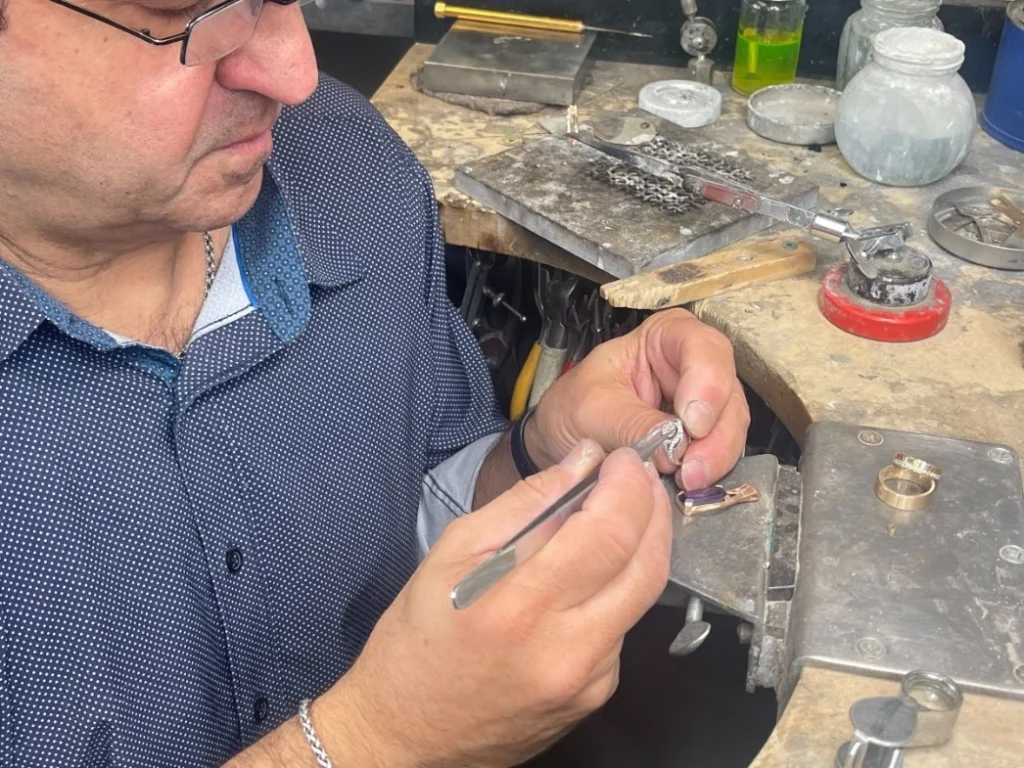
- Key Takeaways
- The Hallmarks of a Qualified Goldsmith
- More Than Just Metal
- How to Verify Expertise
- The Goldsmith’s Evolving Craft
- The Intangible Value
- Common Mistakes to Avoid
- Conclusion
- Frequently Asked Questions
- How do I know if a goldsmith is truly qualified?
- What hallmarks should I look for in a professional goldsmith?
- How can I verify a goldsmith’s expertise before hiring them?
- What mistakes should I avoid when choosing a goldsmith?
- How has the goldsmith’s craft evolved with modern technology?
- Why does working with a qualified goldsmith add value to my jewelry?
- Can a goldsmith help redesign or repurpose my old jewelry?
Key Takeaways
- Our qualified goldsmith combines formal training, practical apprenticeship experience, and solid technical ability backed by certifications from industry-leading organizations. Whether you’re hiring a qualified goldsmith or jeweler, seek out verified schooling, apprentice clock hours, and continuing education.
- Technical mastery and artistic vision have to work in tandem so jewellery is not only made beautifully but is visually stunning. Check out a goldsmith’s portfolio for neat workmanship, innovative design and pieces that are a good mix of pretty and comfortable or durable.
- We’ve paired this with a qualified goldsmith’s deep knowledge of metals, gemstones, and alloys to help ensure each piece is safe, long-lasting, and suitable for daily wear. Inquire about material selection, metal strength, and how your goldsmith treats fragile or uncommon stones.
- Communication, problem-solving, and collaborating with clients are all at the heart of a goldsmith’s role beyond the bench. Pick a pro who listens, transparently outlines timelines and costs, and loops you in during the project.
- When verifying expertise, you need to review portfolios, direct specific questions, investigate any professional associations, and request recommendations from previous customers or trusted contacts. Take a moment to compare goldsmiths on skills, ethics, and customer service rather than just price or turnaround speed.
- Contemporary goldsmiths combine the old-world craftsmanship of their trade with new technologies and sustainability to create jewelry that fits today’s demands. From your jeweler’s use of CAD to their passion for ethically sourced materials to their skill in restoring heirlooms and crafting family legacy pieces, here’s how to choose a qualified goldsmith.
A qualified goldsmith is an artisan who specializes in working with gold and other precious metals to create, design, and repair fine jewelry with precision and attention to detail. Most goldsmiths acquire their craft via formal study, lengthy apprenticeships, and trade certification which demonstrates expertise in metalwork, precious stones, and workshop safety. Work can include soldering, stone setting, engraving, polishing, and restoring worn or damaged work. Some goldsmiths specialize in custom work, while others work in repair shops, studios, or large jewelry brands. In certain areas, trade groups and guilds provide standards for training and ethics. The following chapters explore skills, training paths, and daily work of a modern qualified goldsmith.
The Hallmarks of a Qualified Goldsmith
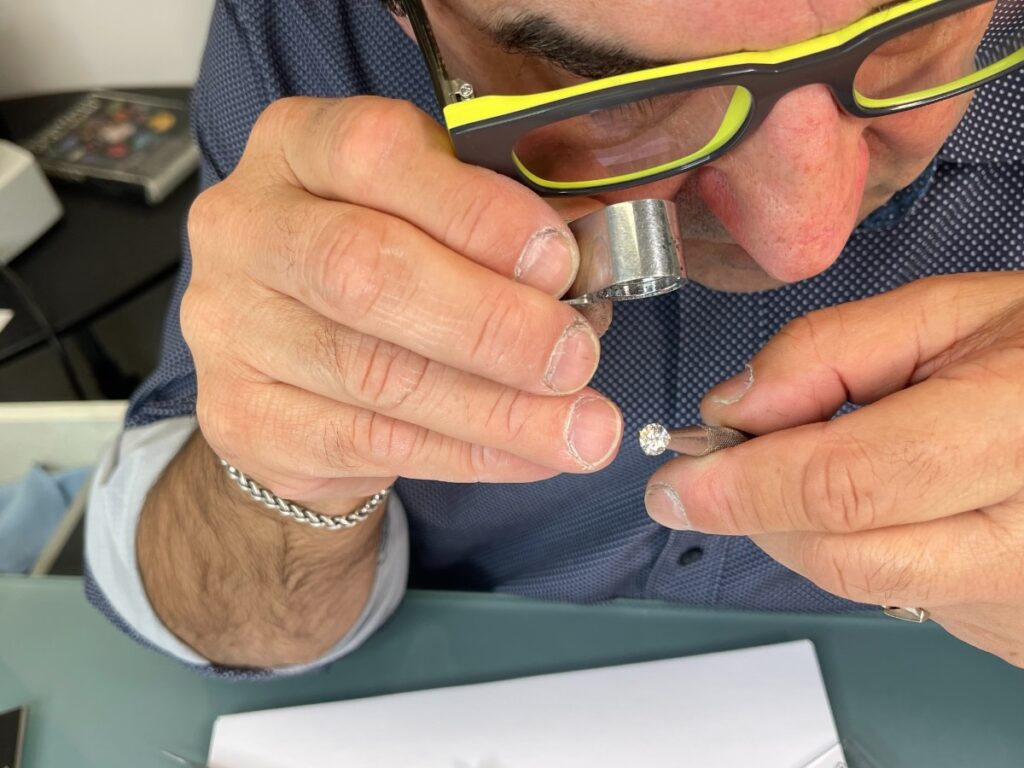
A good goldsmith mixes education, decades of experience, and conscientious standards. These qualities count whether you seek a basic fix or a tricky custom job.
1. Formal Training
Thorough training provides a goldsmith with the foundation they operate from. Most begin at a trade school or art and design college, where they learn metalwork, drawing, and fundamental jewellery making. Others go through traditional apprenticeships of four to five years, frequently full time at the bench under direct supervision.
Specialized courses deepen this base. Gemology helps a goldsmith judge stone quality, spot treatments, and plan safe settings. Classes in silversmithing, metal fabrication, or casting add skills that carry over to work in gold, platinum, and other alloys.
Hands on work is NOT optional. Qualified goldsmiths undergo hundreds of hours of hands-on practice with real tools, real metals, and real deadlines. Many have certificates from trade organizations or guilds.
2. Practical Experience
Years in a workshop make theory second nature. Crafting under master jewellers, goldsmiths discover how to repair errors, complete rush jobs, and cope with worn or poorly crafted pieces that deviate from academic examples.
Hands-on work hones bench skills and problem-solving. A goldsmith could jump in one week from resizing a ring to reconstructing a broken claw to designing a new engagement ring out of heirloom gold. This combination develops flexibility.
When you evaluate a goldsmith, it’s useful to ask about previous employers, hours of apprenticeship, and what sort of work he or she tends to do most frequently.
3. Technical Mastery
Technical mastery is at the heart of the craft. A competent goldsmith deals in tools for soldering, sawing, filing, forging and raising, stone setting, and fine engraving. They use small machines like polishing motors, casting machines, and precision-setting microscopes.
They know metal purity and alloy options, such as how 18 karat gold behaves compared to 14 karat or how various platinum alloys respond to different types of heat or pressure. They understand gemstone behavior, like how heat-sensitive stones such as emeralds, opals, and treated corundum can crack or alter if the metal is overheated nearby.
These skills are important for new pieces and repairs alike. Re-tipping claws around a fragile stone, for example, demands the same attention as constructing a new halo ring. If you want to judge a goldsmith, you can use a simple checklist: soldering quality, stone setting types they handle, experience with forging and raising, and comfort with both modern machines and classic hand tools.
4. Artistic Vision
Artistic vision transforms good technique into wearable jewellery. Good goldsmiths possess a natural instinct for line, balance, and proportion. A ring lies flat on the finger and a pendant hangs just so on the chain.
They simultaneously balance beauty with utility. A high-set stone is impressive, but a competent goldsmith will inquire how frequently you wear the piece and if a lower, more protected setting would be better for daily use.
Translating customer vision is another hallmark. A client might bring a preliminary doodle or simply describe a design they saw somewhere on the web. The goldsmith translates that into specific design decisions such as stone size, band width, and surface finish. The goldsmith ensures that the design can be fabricated in the selected metal without introducing weakness or discomfort.
It’s this personal vision that distinguishes the handmade from the mass-produced. While two goldsmiths might begin with the same brief, a confident artistic voice results in a design that feels specific to the wearer, not generic.
5. Material Knowledge
It’s this deep material knowledge that keeps jewellery safe, stable, and honest. Qualified goldsmiths know their precious metals — gold, silver, platinum — and the alloys used to alter color, hardness, or value. They know what metals go well together in a piece and which can wreak havoc over time.
They correctly identify stones and determine if they suit a specific design. A soft stone in a slender, open ring band is prone to chipping, so a prudent goldsmith will recommend a robust setting or alternative gem. This consciousness spans both tried-and-true materials and newer ones, like lab-grown diamonds or alternative alloys.
Goldsmiths research how metals flow and stiffen under hammer blows, how they react to heating and cooling, and how persistent bending can cause stress cracks. That’s why a master goldsmith, usually a certified journeyman and, in some countries, possessing a protected “Meister” or “master goldsmith” title after exams, can opt for the right approach per job.
In certain countries, the term master goldsmith is a protected or regulated title. In others, it’s more informal. Probing their formal status, training background and guild or professional membership allows you to understand how their craftsmanship measures up to rigorous standards.
More Than Just Metal
A good goldsmith works with folks as much as he does with metal. The work combines antique craftsmanship, project management, and consistent, transparent customer communication from initial conversation through finishing.
Communication
Communication begins with actual listening. A good goldsmith asks straightforward questions about how a piece will be worn, what it should mean, and what the client’s fears are, such as loss of a stone and damage to an heirloom. This is where personal growth often shows up: reading body language, hearing what is not said, and turning vague wishes into a clear brief.
Then, a skilled goldsmith describes design possibilities, schedules and fees in simple terms. They’ll explain why one alloy is more appropriate for everyday use than another, how many weeks casting and stone setting may take, and what each step will cost in a single currency. This clarity slices through the fog surrounding terms like “master jeweler” or “Master’s degree,” which may sound the same but have nothing to do with the same training or aptitude.
Ongoing projects need open channels: email, messages, or short calls for updates and feedback. Easy photos of wax models, metal tests, or surface samples make the client feel connected and reduce anxiety. A meticulous goldsmith also documents agreements, design modifications, and updated delivery times, so you have a mutual record if recollections vary down the road.
Problem-Solving
Troubleshooting occupies the heart of everyday bench work, whether it’s re-sizing a wispy band or reconstructing a battered claw setting around a delicate 6 mm stone. A goldsmith relies on fundamental techniques such as filing, soldering, sawing, forging, casting, and polishing, then modifies them for each project.
When that heirloom comes back bent, missing stones or mixed, unknown alloys, creative thinking counts. The goldsmith could test the metals, insert a secret support bar, or fuse old gold with new to maintain the look while satisfying today’s wear demands. Work like this tends to alter how a goldsmith perceives value and time. Many characterize it as a gradual attitude adjustment rather than a single epiphany.
Tender stones — opal or emerald — require adjusted heat and pressure, and that means a shift in usual techniques. A professional goldsmith might select laser welding instead of open flame, cold connections instead of solder, or partial re-cutting for severely chipped stones. When you evaluate a goldsmith, it’s useful to request before-and-after shots and anecdotes of hard restoration conundrums they’ve cracked, not just their pristine display case baubles.
Client Collaboration
It’s client collaboration that turns the skill into something that feels personal and alive for the wearer. For bespoke or sentimental pieces, a goldsmith draws the client into every major decision rather than retreating to a closed studio. Some clients like rock-crisp, high-finish work that reveals each micron, while others want more of a raw, forged feel that intentionally leaves hammer marks. A considerate goldsmith regards either course as appropriate and tells you what finish degree implies for maintenance and subsequent mends.
Visual tools make this back-and-forth easier. Hand sketches, 3D-printed models or basic digital renderings allow clients to visualize how a vintage stone will fit in a new bezel or how a 2 mm band will appear on the finger. This is where the split between fine arts training and trade training shows: an MFA background might bring broader conceptual ideas, while a traditional European trade apprenticeship often brings dense, hands-on repetition of techniques and strict quality checks over many years.
Clients select metals and finishes with advice on wear, skin tone and ethics. A goldsmith might waltz through 18k vs 14k, recycled metal, mirror polish vs matte vs brushed, all because of how the piece is going to age in ten or twenty years. These decisions perch atop wisdom accrued over centuries, shared from bench to bench.
Frequent progress reports, even quick ones, hold confidence firm and allow for minor course adjustments before it’s too late. Before shipping, a meticulous goldsmith confirms fit, comfort and fine details with the customer, not just the visual correspondence to the design. This final point frequently exposes how they’ve each developed over the course of the project.
How to Verify Expertise
Validating a goldsmith’s expertise is about verifying evidence, not assurances. It’s about genuine work, genuine education, and transparent rules that have your back.
Review Portfolio
Begin with completed works. Notice how crisp the lines are, how smooth the polish is, how snug stones sit in their settings. Bad workmanship manifests itself as jagged edges, spaces around stones, or a flat, uneven surface. Originality, too, multiple knockoffs of the same plain band don’t indicate advanced ability.
Range is another indicator. A killer portfolio will demonstrate work in yellow, white, and rose gold, occasionally platinum, and from plain bands all the way up to intricate engagement rings, lockets, and bracelets. If they profess abilities in chasing and repousse, granulation, advanced stone setting, and so on, you should be able to observe clear examples of those techniques, not just hear about them.
Request examples of damage and restoration, like reshaping a smashed band or reconstructing worn prongs. These demonstrate how the goldsmith repairs harm, which is frequently more difficult than constructing a new one from the ground up.
You can list key items in a simple table: piece type, metal, techniques used, and your rating for finish and design. This side-by-side perspective simplifies comparing goldsmiths when the designs begin to merge.
Ask Questions
Targeted questions uncover a portfolio. You can’t enquire about formal education; perhaps they’ve done an apprenticeship, a 7-year course, or trade-school certificates. Ask to view certificates for training in stone setting, metalsmithing, or silversmithing.
Then dig into the process. Inquire how they address custom designs from sketch to completed piece, how they size and fit rings, and how they trace metal quality. Ask about experience with your specific needs: micro-pavé, fragile heirloom stones, or mixed metals. A good goldsmith will know when a request is beyond their abilities and recommend another specialist or alternative solution.
Last, explain warranties, money-back guarantees, and returns. Great workmanship and a precious metal warranty for over 10 years and at least a 30-day return period means they believe in their own work and are giving you time to evaluate it.
Check Affiliations
Professional affiliations provide a third-party verification of assertions. Watch out for membership of prestigious bodies, such as a national goldsmiths’ guild, the Goldsmiths’ Company, or an established gemmological society. Membership usually necessitates demonstrated training, exams, or peer review.
Find out what criteria they use to verify. Inquire about their approach to ethical sourcing, recycled metals and conflict-free stones. Serious practitioners will be able to describe their pipeline in simple language and connect it to modern standards.
Trade school, gemological institute or national craft body certification carries extra heft, particularly when linked to exams or practical tests in which the goldsmith had to produce pieces to standard. See if they attend trade fairs, workshops or continuing education courses, which demonstrates they stay up to date with new tools and methods instead of just sticking to what they were taught years ago.
Seek Referrals
Referrals give you a sense for how the goldsmith operates in practice. Request contact information of clients who ordered custom pieces or intricate repairs and check in with a brief call or note.
Get stories of dependability, timing and support, not just “gorgeous ring.” For example, a positive indicator is a client who got a fix, wore the piece day in and day out and came back a year later with no complaints.
Local jewellery shops, watch repairers and gem dealers can direct you to goldsmiths they trust with their own inventory, a powerful endorsement.
Maintain a brief rolodex of names that demonstrate consistent commendation for expertise, transparent communication, and equitable resolution of issues, such as refunds when work falls short.
The Goldsmith’s Evolving Craft
Goldsmithing is among the most ancient of the applied arts, with traces of exquisite metal work in ancient Mesopotamia, Egypt, and the Aegean. A skilled goldsmith now practices in a field molded by millennia of transformation, multinational trends, and rapidly developing technology, one that still depends on consistent handiwork and a hard-won instinct for materials.
Modern Technology
Old goldsmiths utilized lost-wax casting, hammering and rudimentary tools to form gold into rings, pendants and ceremonial artifacts. These are methods that are still used in modern workshops. Now they sit alongside CAD software, laser welders and more controlled casting systems like vacuum or centrifugal casting. CAD allows a goldsmith to construct a ring on screen down to the fraction of a millimetre, try out stone sizes and then transmit the file to a 3D printer or milling machine for an accurate wax mock-up.
Laser welding repairs porous solder seams, resizes brittle bands, or adds minuscule details without flooding the entire piece with heat. This can rescue vintage heirlooms that would perish under a torch. Sophisticated casting techniques eliminate imperfections and shrinkage, thus reducing the amount of subsequent filing and reworking necessary. Computer skills are as common as the saw frame in many studios these days. Design, rendering, and even correspondence with overseas manufacturers frequently travel in digital form.
When you evaluate a skilled goldsmith, it helps to inquire how they utilize these tools. Do they design by hand or CAD? Do they collaborate with a casting house that has such systems on board already? Bench skill combined with an ease with new tech generally indicates a workshop able to tackle hard work with solid repeatability.
Continuing Education
The craft was never still. In the twentieth century, wars and shortages and the migration of some jewellers and silversmiths into munitions work halved the number of practising goldsmiths. Then globalisation and fast fashion shifted demand again. A serious goldsmith addresses this by remaining a student.
Micro-setting, new alloys or laser use workshops, new design short postgrad courses, technical seminars in advanced forging and raising, enamelling or 3D modeling all help keep skills crisp. Learning new ways to file, sand and polish or new abrasives and finishing compounds might sound elementary, but this sort of minutiae frequently distinguishes a raw piece from a very refined one.
Industry conferences and trade shows offer exposure to new tools, ethical sourcing initiatives, and safety standards, along with peer feedback. Keeping up with diamond education resources also helps goldsmiths better understand gemstone quality, grading standards, and evolving industry practices when selecting or working with diamonds. Belonging to guilds or undergoing industry-standard certification courses may indicate a goldsmith is open to objective evaluation. In selecting a goldsmith, you can check for recent courses, competition entries, or teaching activity — practical indicators of a life committed to the craft, not just a qualification obtained once and never updated.
Sustainable Practices
Given the economic and social importance of gold and gems, goldsmithing has traditionally been considered a prestigious craft dealing in precious materials. Today, increasing environmental and human rights awareness is transforming the bench. Plenty of skilled goldsmiths now prefer recycled gold and platinum, which curb demand for new mining, and hunt down traceable, conflict-free gemstones. For example, a studio might use exclusively certified recycled gold and lab-grown diamonds or stones from mines that publish labor and environmental standards.
Thanks to transparent sourcing, the goldsmith is able to name refiners, gemstone dealers and hallmarking bodies, and can describe how scrap metal is sorted and recycled back into production. Others take it a step further by minimizing chemicals in pickling and cleaning, capturing dust and filings for refining, and using energy-efficient equipment. Easy habits like meticulous layout to minimize waste or repurposing offcuts as wire or granules sustain reduced-impact work.
If sustainability matters to you, it’s fair to request a goldsmith’s policy in writing. Enquiries regarding recycled content, gemstone provenance and studio in-waste management can demonstrate just how much they’ve shifted from tradition rooted purely in luxury to a model that combines fine craftsmanship with transparent responsibility.
The Intangible Value
The worth of a skilled goldsmith is well more than the value of gold or jewels. A good jeweller trades in memory, self, and faith, transforming metal and gem into pieces that transcend decades.
Preserving Heirlooms
When an expert goldsmith refurbishes an heirloom, they’re dealing with more than frayed prongs and fractured mounts. They grapple with grief, pride, and love tied to that piece. A grandparent’s ring, a broken wedding bracelet, or a pendant from a faraway country all have tales that are worth more than their weight in gold. The goldsmith’s diligence preserves these narratives since even one tiny imperfection can alter the aesthetic a clan is familiar with.
The best restoration maintains the original spirit while subtly enhancing durability. A goldsmith might bolster an 18-karat gold thin band, reconstruct eroded prongs around a diamond, or swap out a weak clasp for a similar-looking but sturdier version. The goal is to maintain the same line, profile, and light reflection, so when you put it back on, it is still the same piece, just safer to wear daily.
Crafting on brittle or precious substrates requires great expertise and precise coordination. Old-cut diamonds, natural pearls, and fine enamel can crack or chip in one wrong move. A seasoned goldsmith employs tweezers, magnifiers, and deliberate, cautious movement to prevent loss that no compensation can repair. Many clients now verify a goldsmith’s heirloom track record, request before-and-after shots, and seek evidence of work on antique settings before they entrust family pieces.
Creating Legacies
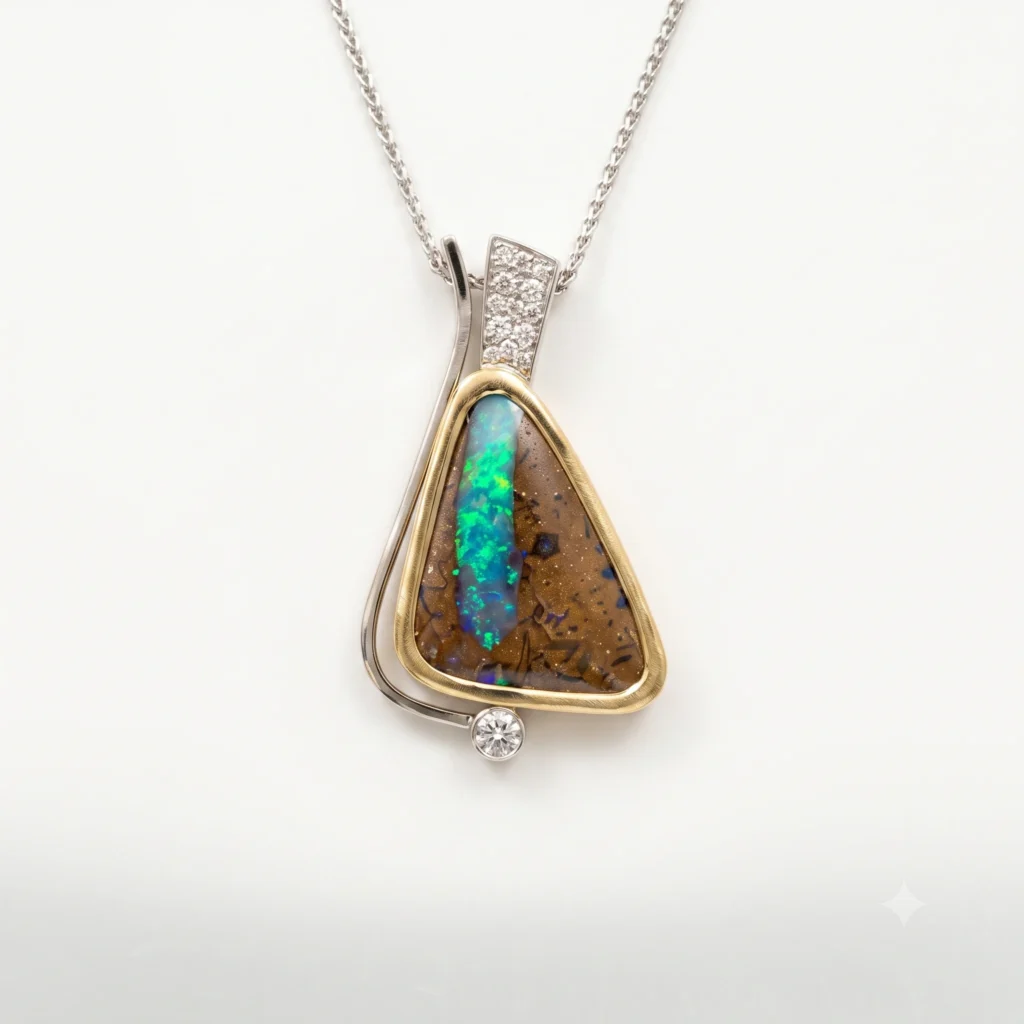
Custom jewellery to pass down as future heirlooms. For example, couples might create wedding bands for their kids, or a parent could request a pendant commemorating a career achievement, with room to insert an additional stone when a child achieves theirs. In these moments, the goldsmith hears for worth: faith, household, service, innovation, and then transforms them into forms, engravings and gemstone selections that feel personalized rather than generic.
The finest legacy pieces rely on great craftsmanship as much as design. Long lasting settings, pristine solder joints, and properly chosen metals ensure that a ring can be worn every day and still be just as solid 40 years down the road. A healthy balance of art and craft lends the work a timeless appearance. During early talks, it helps to speak openly about long-term goals: who might wear the piece later, what traditions matter, and which stones should be easy to reset or resize in the future.
A skilled goldsmith contributes silent wisdom in valuing gems and diamonds, which influences estate planning. Armed with an understanding of how cut, clarity, and market value work, they can steer you toward stones that have value and fit both your budget and narrative. Others view this advisory position as part of the jeweller’s intangible value, as it safeguards both sentimental and monetary investment for future generations.
Building Trust
Trust increases when a goldsmith is straightforward, transparent, and consistent. Customers come with a passion: fear of dropping a stone, concern about being gouged, and desire for a busted piece to be recovered. A jeweller who defines what can be done, what is risky, and what it will cost respects both the piece and the individual.
Clear communication about prices, timing and alternatives minimizes uncertainty. Sketch estimates, rudimentary plans and images of comparable work assist clients visualize what they are committing to. There is an intangible value in this when the final product is what was promised and it came when expected that creates a silent loyalty no ad can purchase.
Regular quality is its own type of guarantee. Over time, clients observe that stones remain snug, clasps function, and finishes patina beautifully, indicating that there’s incredible hand-strength and detail-oriented craftsmanship behind the curtain. Most of us begin to see our jeweller as that long-term partner who understands our taste, budget, and family history.
Good reviews and established customer relationships provide valuable hints. Tales of a goldsmith who’s worked with the same families for decades or carefully walked clients through redesigns post life-alterations demonstrate as much an understanding of reading emotional needs as technical ones. To most purchasers, this combination of expertise, compassion, and trustworthiness is the true unquantifiable asset that distinguishes a certified goldsmith.
Common Mistakes to Avoid
A lot of jewelry problems begin well before a stone is set or a ring is sized. A proper goldsmith keeps you out of trouble, only if you know what to notice and ask about.
Going to a goldsmith just because he’s cheap or speedy results in weak settings, thin bands, or stones that sit crooked. A super cheap quote could translate to shortcuts in metal weight, poor soldering work, or cheap findings. Super last minute rush jobs increase the chance of cold solder joints or mismatched metals that can crack later. For instance, racing a hard deadline on a complicated necklace can translate to a torch that wasn’t hot enough or solder that was wrong for the alloy, causing links to snap after a few months of use.
Collaborating with someone who can’t demonstrate genuine credentials, expertise or a transparent portfolio is yet another hazard. A goldsmith is trained in the exact measurements, the average length of a necklace and how much to include for clasp additions to make a piece lay nicely on the body. When this skill is absent, you encounter rings that don’t fit, bracelets that pinch or necklaces that hang lopsided because the weight and length are off. If you want diamond work, one who disregards the five Cs: cut, color, clarity, carat weight and your confidence in the deal can sell you a stone that wears dull in sunlight.
The most issues arise from failing to ask pragmatic questions about warranties, policies, and aftercare. A good goldsmith will tell you how they support solder joints, stone settings, and clasps and what happens if a prong bends or a jump ring opens. They should inform you how your daily work, sports, or wardrobe could impact designs, so you don’t end up with a ring that catches on clothes or a pendant that never matches. A veteran goldsmith examines what succeeded and failed on each project so that they don’t replicate the same flaws in fit or finish.
Steer clear of goldsmiths who are not clear in their communication or who work in a closed fashion. If they can’t tell you why they twist jump rings with two pliers side to side instead of pulling them apart or why they choose one solder over another, it’s difficult to have faith in the unseen build quality. Direct, straightforward solutions on process, cost and timelines inspire assurance and minimize the risk of disappointing shocks when you collect the final work.
Conclusion
A qualified goldsmith imparts skill, care and true pride to every piece. You recognize it in clean lines, tight settings and smart repair work that endures. You sense it too in the manner in which they listen, inquire with transparency and guide you at each stage.
To choose wisely, trust your eyes, your ears, and your gut. Inspect craftsmanship, inquire about experience, and examine detail and quality. Tiny imperfections narrate a grand tale. Honest answers do too.
After all, you don’t just pay for gold or gems. You pay for keen hands, uncluttered minds and stable ethics. For your next step, talk with a goldsmith, ask pointed questions and begin with one uncomplicated task.
Frequently Asked Questions
How do I know if a goldsmith is truly qualified?
Check for training, apprenticeships, and certification from reputable jewelry or trade bodies. Look at their portfolio, inquire about experience with your style of piece, and read reviews or ask for references. A trained goldsmith describes their procedure clearly and invites your inquiries.
What hallmarks should I look for in a professional goldsmith?
The main hallmarks are craftsmanship, design sense, accuracy, and an eye for details. Trustworthy goldsmiths exude professionalism, transparent pricing, written warranties, and secure handling of your metals and stones. Their prior work should reflect consistent quality and clean finishing.
How can I verify a goldsmith’s expertise before hiring them?
Inquire about their apprenticeship, years of practice, and areas of expertise. Ask to see their work and the work in progress. Look for membership in professional associations, business licenses, and customer reviews. A reputable goldsmith offers detailed reports and is open about procedures and timeframes.
What mistakes should I avoid when choosing a goldsmith?
Don’t select solely on lowest price or fastest delivery. Steer clear of goldsmiths who get defensive at questions, don’t provide a written quote, or don’t have a portfolio. Watch out if they won’t talk about materials, guarantees, or repair policies. Always get things in writing before work begins.
How has the goldsmith’s craft evolved with modern technology?
Today’s goldsmiths marry traditional hand skills with digital tools. Several utilize CAD design, 3D printing and sophisticated casting processes. These devices enhance accuracy, personalization, and uniformity. Skilled handwork is still necessary for setting, finishing, and complicated repair.
Why does working with a qualified goldsmith add value to my jewelry?
A good goldsmith guards the structural integrity and appearance of your piece. They mitigate the chance of stone loss, bad soldering, or metal damage. Fine workmanship tends to add years, comfort, and romance and can preserve or add to resale value.
Can a goldsmith help redesign or repurpose my old jewelry?
Yes. Many qualified goldsmiths are happy to put their skills to use redesigning heirlooms or outdated pieces. They can repurpose your metal and stones in a new design that suits your style. An experienced goldsmith consults about what can be done, what is safe and affordable before starting.