
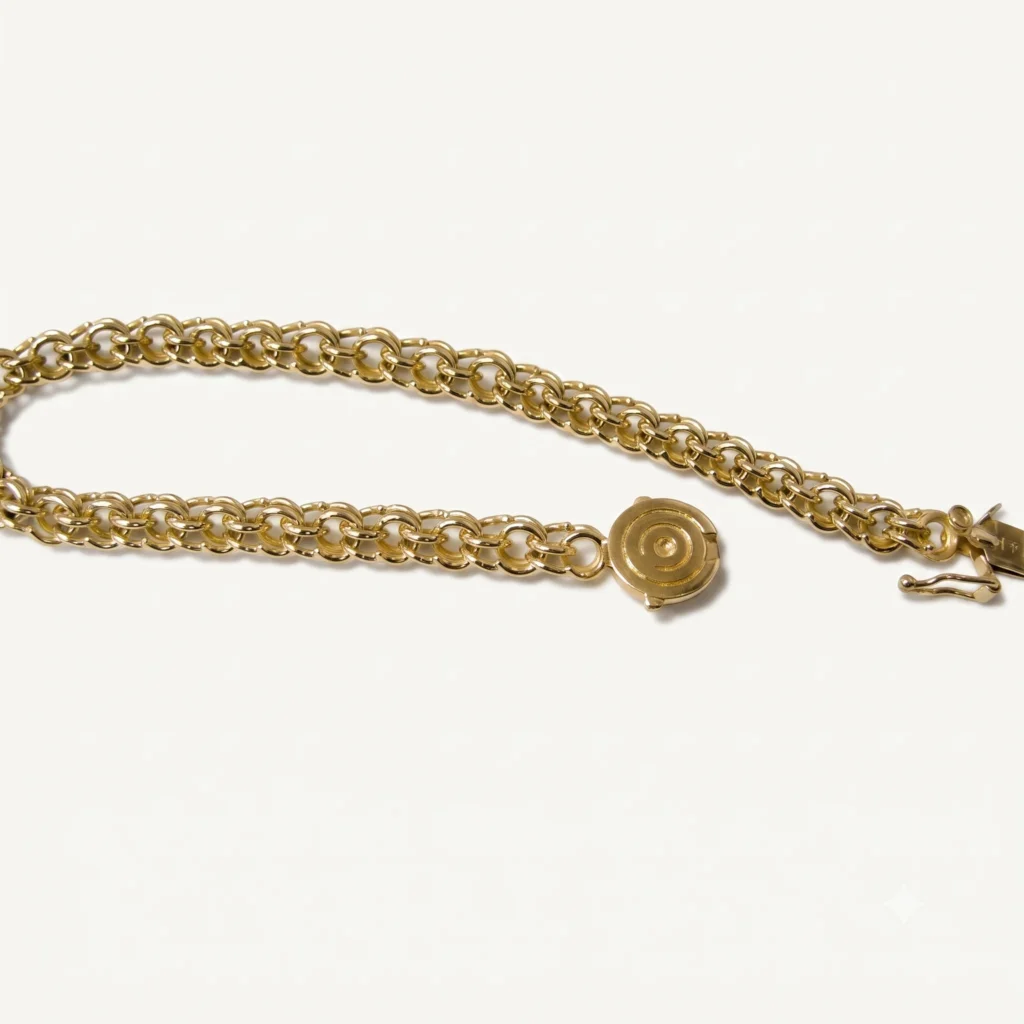
- Key Takeaways
- Defining Timeless Bracelet Styles
- Five Enduring Bracelet Styles
- Craftsmanship Beyond Fleeting Trends
- Evaluating Quality Over Hype
- Styling Across Generations
- Commissioning Custom Heirloom Designs
- Conclusion
- Frequently Asked Questions
- What makes a bracelet style truly timeless?
- Which bracelet styles are considered classic investment pieces?
- How can I tell if a bracelet is high quality and not just trendy?
- Can timeless bracelet styles work for different generations in one family?
- Are custom heirloom bracelets worth commissioning?
- How do I style timeless bracelets with modern outfits?
- Is it better to buy one luxury bracelet or several cheaper trendy ones?
Key Takeaways
- Timeless bracelet styles emphasize clean silhouettes, quality materials, and styles that wear well with everyday attire and more dressy options. Tennis bracelets, gold bangles, chain links, open cuffs, and pearls remain timeless.
- Selecting timeless styles begins by knowing your preferences in terms of fit, shape, and weight. Experiment with various styles and wrist sizes in person whenever possible so you are able to choose designs that feel comfortable and fit your lifestyle.
- Artisan and construction count far more than buzz or branding when buying a bracelet. Before you buy, check metal durability, clasp security, smooth edges, and stone settings so your piece can withstand frequent wear and become an heirloom.
- By using versatile metals and stones, your styling options become easier with our timeless bracelet styles. Choose precious metals such as gold, sterling silver, or platinum and well-matched stones or pearls so that your bracelets blend seamlessly with new additions to your jewelry box.
- Witty styling from bracelet stacking allows you to press timeless designs across the generations. Start with your one signature piece, then mix different textures, widths, and metals to create a balanced look that reflects your style.
- The beauty of custom heirloom bracelets is the opportunity to immortalize your story. When working with a jeweler, think about meaningful details like birthstones, engraving, or family-inspired motifs to make a piece that can be enjoyed now and inherited later.
Timeless bracelet styles are bracelet designs that stay in fashion over many years and across trends. They tend toward minimalist design — simple lines, clean shapes, and classic materials like gold, silver, leather, or pearls — so they go with both casual and formal attire. A lot of these styles stem from timeless traditions — think chain links, bangles, tennis bracelets, and charm bracelets. Folk gravitate to them for everyday wear, gifts, or occasions. They just feel solid and easy to pair. Some are all about the fine details, while others remain unadorned intentionally. To help you filter through the most prevalent choices, the heart of this guide breaks down essential timeless bracelet styles, how they appear, and when they’re most appropriate.
Defining Timeless Bracelet Styles
Timeless bracelet styles float in the silent zone between too minimal and too noisy. They employ crisp lines, harmonious contours, and a sturdy construction so they always look good as style continues. Most share a few traits: a classic shape, good metal or stones, and a look that does not shout for attention. These bracelets frequently forego bold branding, faddish baubles, or kitschy motifs. That understated design is what allows them to mix with numerous ensembles and remain worn for decades.
At the heart of a timeless bracelet is the silhouette. Simple forms, such as a sleek bangle, a delicate chain, or a clean row of stones, age better because to the eye they register as “classic” not “trendy.” Timeless bracelet styles are frequently noted for this sort of simplicity, which holds them firm as fashions change. Bangles are just such an example. They employ a solid, round shape that has been donned for centuries across numerous civilizations, from stackable thin metal sets to a lone thick bangle. That shape still feels modern today, as do hoop earrings and classic bangles in general, which continue to make comebacks in contemporary collections.
Materials count just as much as shape. Selecting well-constructed pieces in solid metals goes a long way toward keeping jewelry wearable and timeless. Something a little more subtle is the gold purity, like 10K, 14K, or 18K, which alters both look and strength. In the US, 14K is a great pick for fine jewelry as it balances rich color with good durability. A chunky 14K gold bangle or chain will stand up to wear every day when well cared for. Routine maintenance aids that ‘timeless’ aspiration. Simple maintenance, like scrubbing gently with a soft-bristled toothbrush and mild soap, then drying with a soft cloth, keeps metal bright and stones clear.
Versatility is the second major test. Something that only goes with one outfit or one trend isn’t going to seem timeless for very long. A dainty chain or featherweight bangle can inject a glimmer into the daily grind, then diffuse into night dresses or sari blouses. Iconic styles such as diamond tennis bracelets and plain gold bangles illustrate this beautifully. A tennis bracelet goes just as well with a white shirt as with a gown and a thin gold bangle can nestle next to your watch, fitness band, or other bracelets without a fuss. When style keeps the design clean and steers away from faddish symbolism, it offers you more versatility in how to wear the piece and more time to appreciate it.
Five Enduring Bracelet Styles
 Timeless bracelet styles tend to share a few traits: clean lines, sturdy build, and materials that age well. Below, find pieces to fit every wrist, wardrobe, and budget that effortlessly transition from day to day to special occasion.
Explore our bracelet designs to discover different styles, materials, and design details that can inspire your next jewellery purchase.
Classic bracelet styles include:
- Diamond or gemstone tennis bracelets
- Solid bangles in gold, platinum, or sterling silver
- Chain link bracelets (cable, curb, figaro, rope, and more)
- Open cuffs with plain, textured, or gemstone finishes
- Pearl strand bracelets in single or multi-row designs
| Style | Defining Features | Common Materials | Ideal Occasions |
|---|---|---|---|
| Tennis | Continuous line of stones, slim profile | Gold, platinum, diamonds, gems | Daily wear, formal events, office |
| Solid bangle | Rigid circle or oval, smooth or textured | Gold, sterling silver, platinum | Everyday, stacking, cultural events |
| Chain link | Interlocking loops in many patterns | Gold, silver, stainless steel | Casual, business, gender‑neutral styling |
| Open cuff | Rigid band with open gap, adjustable | Metals, with or without gemstones | Casual to evening, gifting |
| Pearl strand | Row of pearls on strand or wire | Cultured pearls, gold, silver | Weddings, anniversaries, dressy events |
1. Tennis Bracelet
A tennis bracelet presents a neat row of uniform stones, typically diamonds, set in close proximity so the eye sees an uninterrupted strip of sparkle. That clean, uniform style is the source of its many referring names, “line bracelet,” and iterations like this go all the way back to approximately 600 BCE, showcasing how timeless a subtle line of stones can be. The look works in thin, whisper-light versions or in more substantial rows, but the idea stays the same: symmetry and flow.
The tennis bracelet’s name became widely associated with tennis player Chris Evert after a bracelet incident during a match; the Gemological Institute of America explains the history of the tennis bracelet
It’s considered the most iconic bracelet type in fine jewelry because it perfectly treads the line between polished and effortless. If set with diamonds, the narrow silhouette lays flat, flexes with the wrist and slides under a shirt cuff, wearing one every day but counting on it for black-tie affairs. Contemporary lines incorporate colored stones or alloy metals, but it’s that subtle silhouette that prevents it from becoming a look of the moment. For enduring quality, consumers still look for diamonds that are graded for cut and clarity and that the clasp features a main lock and safety catches because a flexible bracelet only seems timeless if it seems safe.
2. Solid Bangle
Solid bangles span the style spectrum from ultra thin gold rings to chunkier sterling silver or platinum cuffs with a hoop-like shape. This closed, rounded form is a huge factor in why they outlive trends as it taps into the same timeless shape that keeps hoop earrings and hoop-style bracelets in constant rotation. For some, a simple band is a silent piece they can wear every day without much consideration.
These beauties have been around for millennia in countless cultures, generally a minimal base that stacks perfectly with the new stuff. Solid precious metal thin bangles are lightweight and easy to stack and when worn in bunches, they sway with an organic beat that doesn’t come across as forced. That soft tinkle and swing bring appeal without overwhelming ornamentation. Since gold and fine silver stand up to wear when properly maintained, they tend to become ‘forever’ pieces that cling to the wrist for decades, rather than one fashion season.
Others opt for bangles with engraving, small motifs or key dates, transforming a plain ring of metal into a marker of a life event. Personalized touches like these don’t combat the clean design. They contextualize it as the simple circle keeps it classic.
3. Chain Link
A chain link bracelet consists of small metal rings linked into a bendable strand. The style can appear dainty in a fine cable chain or dramatic in a wide curb or figaro link. The form remains, but thickness, length, and finish change the feel a great deal.
A lot of us sport a slender chain bracelet in gold or sterling silver on a daily basis, as it’s weightless and pairs easily with watches or other jewels. Some like a chunkier chain that feels more like a statement cuff. This variety means chain link styles are favored among men and women of all ages, as they don’t skew heavily dressy or informal until you select the specific scale and finish.
To keep the style fresh, some mix yellow and white metals in a single bracelet or pepper it with a few charms, coins, or drops of gemstones for a more personal vibe. Since the foundation is understated, little refreshes like these keep the bracelet in rotation as fashion moves.
4. Open Cuff
An open cuff is a hard bracelet with an opening you slip in over the wrist, providing room for minor fit adjustments without complicated sizing. That means it’s great for those in between sizes and convenient when shopping for a gift, as one cuff fits multiple wrist types. The band can be slender and simple or broader with carved details, but the open terminals prevent it from becoming too weighty.
Designers love cuffs as a blank space for arty notions, from chunky, textured metal to sleek minimal lines with a stone at either end. The piece can read minimal or ornate, so it translates seamlessly from jeans and T-shirt to evening wear. Since the wearer doesn’t have to fuss with small clasps, several opt for an open cuff when they want a speedy, bold statement. In hard-wearing metals, it belongs with other timeless styles that emphasize form and architecture rather than fleeting ornament.
5. Pearl Strand
A pearl strand bracelet strings together pearls on a cord or wire, occasionally in a single tidy row and other times in two or three rows for added thickness. The smooth spheres and soft lustre are reminiscent of vintage mid-century style, including the polished looks of the 1950s that continue to attract new devotees. Many of us still think of that subtle shine as an uncomplicated way to adorn the wrist without flashy shine.
There is a definite division between authentic cultured pearls and costume pieces with glass or plastic beads. Genuine pearls are pricier, require gentle maintenance, but deliver a depth of lustre and hue that replicas seldom equal, which is why they remain an essential fine-jewelry staple. A strand bracelet pairs nicely with a matching pearl necklace or studs, creating a set that transcends cultures and is appropriate for work functions, formal dinners, and even weddings.
Since pearls signify huge life moments in so many families, these bracelets tend to become gifts for graduations, wedding days or anniversaries. Their quiet appearance, combined with the rich tradition that underlies them, allows them to grow old along with the style of their user.
Craftsmanship Beyond Fleeting Trends
Timeless bracelet styles count on good craftsmanship, not trend-led embellishments. When it’s built well, it can take years of wear every day, stay comfortable, and still look the part with a simple gold chain necklace or a pair of hoops or pearls. This is jewelry that’s not here for a season, but for decades, just like a trilogy ring that captures the meaning of past, present, and future lifetimes.
The same attention to detail that supports a lasting bracelet also matters when selecting custom rings designed to celebrate important milestones.
Structural Integrity
Structural integrity is what keeps a bracelet from twisting out of shape, snagging on fabric, or snapping at a vulnerable juncture. A well-made bangle, for instance, maintains a consistent circular shape even after years of sliding over the knuckle, just as bangles worn across cultures for some 5,000 years have. Links on a chain bracelet should articulate freely but not separate, and it should lie flat on the wrist without creating harsh pressure points.
When inspecting a bracelet, it’s useful to inspect the hinges. If you’re seeing reinforced links, soldered connections, and solid end caps, that’s care. Clasps should snap closed with a definitive click, not pop open if the wrist catches a desk or bag strap. Soft, rounded edges minimize scratches to the skin and garments, which is important if the bracelet goes along with a daily work or travel ritual.
Good design is heirloom design, too. A classic tennis bracelet with a solid spine and stable hinge points will be more apt to stay in the family and still feel relevant years down the line. This is how timeless jewelry works in practice: it stays sound enough and simple enough that it does not look out of date or worn out.
Before purchasing, it’s always helpful to test the flexibility and closures in person when you can. Bracelets should gently curve, and clasps should open and close fluidly. These little checks provide direct insight into how the piece will act after hundreds of wears.
Metal Durability

Metal selection is huge in the longevity of a bracelet against daily life. Gold, sterling silver, and platinum all have strengths and trade-offs. The best choice depends on the frequency of wear and environment.
For long-term or legacy gifts, most gravitate towards solid gold or platinum. These noble metals stand up to rust and abrasion better than most base metals, so a minimalist chain or timeless cuff ages with elegance, not fading or flaking.
A brief overview:
- Gold (14k–18k) * Pros: Good balance of hardness and shine, wide color range, strong resistance to rust and most everyday wear.
- Cons: Softer at higher karats, can scratch, cost is higher, needs gentle care to avoid dents in fine links.
- Sterling Silver (92.5% silver) * Pros: More accessible price, bright color, works well for bangles, charm bracelets, and detailed designs.
- Cons: Can tarnish, needs regular cleaning, is softer than many gold alloys, may bend if very thin.
- Platinum * Pros: Very durable and dense, holds stones securely, keeps color over time, and is a strong choice for daily wear.
- Cons: Higher cost, can show surface marks (patina), and is often heavier on the wrist.
Making metal practical by matching it to style. A delicate daily link or a minimal bar bracelet often lends itself well to gold or platinum, which withstand endless motion. Wider, decorative bangles or infrequent statement cuffs can do well in sterling if the wearer is willing to clean them when tarnish appears.
Stone Setting
Stone setting determines both protection and aesthetics for bracelets that incorporate diamonds or colored gems. Prongs, bezels, and channels are all settings that protect stones in varying degrees. Prong settings grasp each gem with tiny metal claws, which can reveal more of the stone and light, while bezel settings encircle a rim of metal around the perimeter and offer protection that complements everyday wear.
In classic tennis and eternity bracelets, the setting quality really hits you immediately. Stones should sit like soldiers in a perfect row, with uniform size, color and height so that the sparkle resembles one seamless blaze of light as opposed to a collection of bright and matte spots. That sort of crisp, balanced gleam is what keeps these notions classic, the same way the even glimmer of pearls has remained alluring for hundreds of years.
To judge the workmanship, it helps to run a fingertip along the bracelet and feel for rough prongs or gaps. Stones should not move when pressed lightly from the side. Loose gems can fall out during simple tasks such as typing, cooking, or lifting bags, which turns a fine piece into a repair project. Careful setting lowers this risk and lets the bracelet keep both its look and value.
Bracelets with beautifully set stones grow old with you, not out. They pair with other classics, such as pearls, hoops, and dainty chains, and embrace the notion that trends come and go but style can remain constant, as Coco Chanel observed. When buyers prefer good construction, timeless metals, and master stone setting to passing fashions, they give a bracelet a genuine opportunity to be worn regularly without sacrificing either utility or elegance.
Evaluating Quality Over Hype
Timeless bracelet styles that don’t rely on loud branding or short-lived trends. Quality in this context means hard materials, crisp lines, and a design that remains right years down the road, not just this season.
When you weigh quality over hype, start with what makes a bracelet timeless: versatility, quiet elegance, and the ability to move from day to night without looking out of place. A thin yellow gold bangle that goes with a white tee and a little black dress passes that test. A super-bold logo cuff that only suits one fashion tide does not. Pure, slick finishes and timeless forms are more likely to remain wearable for decades to come, just as a solitaire pendant or diamond stud earrings almost never seem dated.
Material is the new filter. Seek out solid metals such as 14k or 18k gold, platinum or even good-quality sterling silver, not thin plating that wears off quickly. See if the color is uniform, if the surface is silky or if a print or texture feels fresh to the touch. The stones should nestle tightly together with no crevices or jagged edges. Premium quality diamonds, sapphires or pearls tend to command a higher price, but they wear better and retain their appearance with simple maintenance. The soft, even shine of pearls brings calm, low-key polish to almost anything you wear, from your everyday office attire to evening wear.
It assists in disentangling taste from build. A bracelet can suit your taste and still be shoddily crafted. Inquire if the links slide smoothly, if the clasp snaps closed with a definitive click, and if the piece has some weight to it in your hand — it doesn’t feel flimsy. A timeless bracelet should survive daily wear, travel, and minor bumps without bending or losing stones.
A short, useful checklist before you add a piece to your box: solid metal and clean finish, secure clasp and settings, classic shape you can wear many ways, and a design you can see on your wrist ten years from now.
Styling Across Generations
Classic bracelet styles evolve with trends yet never lose their fundamental silhouette, sleek form or understated embellishment. Many of them spring from ancient origins. For millennia, we’ve worn jewelry to signify status, invoke protection and adorn ourselves with beauty. Gold bangles, for instance, have graced wrists in countless cultures for hundreds of years, worn in multiples that signify heritage, affluence or milestones. Today, those same skinny bangles play well with a little black dress, denim or office wear, while newer trends such as athleisure or minimalism swirl around them. The style remains cool and basic, so it doesn’t compete with new cuts, daring prints or new hues. This is why timeless diamond tennis bracelets and delicate pearl strands remain fashionable. With their clean lines and symmetrical design, they seamlessly pair with just about any look, even as styles shift from sophisticated to relaxed or from neutral to bold colors.
You can also coordinate your bracelet stack with necklaces and pendants that share similar metals, textures, or design details.
A lot of their classic pieces become heirloom jewelry, so it’s passed down and the jewelry has stories, not just fashion. A delicate gold chain bracelet in solid 14k or 18k can endure for decades, and genuine stones set in strong prongs or bezels withstand regular use. When you’re given a bracelet for graduation, a wedding, or the birth of a child, it marks that moment. Years later, handing down that same bracelet provides that new wearer with a connection to the past. One wrist can sport a slender gold bangle from a grandparent alongside a current-day stack of fine chains and a minimalist cuff purchased in 2022. Each maintains its own style, but collectively they form a subtle chronicle of a genetic fashion heritage.
To build and style bracelet stacks in a clear way, use simple steps:
- Start with one base piece you wear most days.
- Sprinkle in one or two skinny, low-profile bracelets for everyday ease.
- Mix metals in baby steps, like one silver piece with gold.
- Use the 2-1-1 rule: one statement bracelet, two softer pieces.
- Add texture by mixing chain links, bangles, and cuffs.
- Stay pretty in mind. Shoot for 0.5 to 1 cm of clearance.
- Go bare on one wrist if you don a timepiece on the other.
- Introduce new bracelets, one by one, to signify important occasions or travels.
Stackable bracelets may be a new strong trend. The concept backs up older habits. Over the years, most folks throw on a bracelet to commemorate a move, a new gig or a treasured gift, so the stack expands in tandem with their life. Styling across generations — smooth gold bangles mixed with a diamond line bracelet, a beaded strand and a simple cord piece can reveal different facets of a person. Others maintain one ‘loud’ piece — a wide cuff or gemstone — and let more muted chains frame it. Some construct a complete arm stack but maintain all of their bracelets in one metal for a tranquil, consistent aesthetic. The trick is to take each classic style as a foundation that can connect to the next generation, so the stack is uniquely personal in the moment but still holds up years down the line.
Commissioning Custom Heirloom Designs
By commissioning a custom heirloom bracelet, you leave room to construct something that reflects your style and story in a calm, consistent manner. It transcends selecting an off-the-shelf design and transforms it into a more contemplative, long-term project.
For those interested in creating a personalized piece, custom jewellery offers an opportunity to explore designs that reflect individual style and meaningful memories.
Working with a studio such as Mark Katzeff Designs gives you access to detail and proportion obsessed jewellers. Clients can fine-tune elements many people do not think about at first: chain weight, clasp type, link shape, stone size, and even how the bracelet sits on the wrist during daily wear. The same attention to detail goes into custom heirloom rings. Couples can customize band width or prong style, bezel height, and bracelets, so the end result feels purposeful instead of cookie-cutter.
Materials and symbols count in heirloom work. Birthstones, engraved designs, and family crests can denote significant dates, locations, or beliefs. Some clients re-purpose family stones from grandmother’s old ring or brooch and set them into a new bracelet. This preserves the history and creates something new. The design holds remembrance without being old-fashioned. Each popular heirloom ring idea, such as bezel-set stones or three-stone layouts, can be transformed into a bracelet panel or east-west setting across the wrist or small sculptural links reminiscent of a favorite ring.
Custom designers assist in balancing bold and simple designs. With the proper proportions and sturdy settings, a bracelet can be bold but slip under a shirt cuff and withstand daily grind. Custom settings and meticulous stone placement are crucial for longevity if the bracelet is going to be a daily wearer or heirloom piece. A lot of folks nowadays are ordering mini-collections — bracelets to complement a ring or pendant — so items function solo or collectively and move with various ensembles season to season.
Presenting a custom heirloom bracelet celebrates a graduation, a birth, or an anniversary in an obvious, timeless manner. The design process becomes part of the story, and the piece is deeply personal from its initial wear, ensuring it will be passed on to the next generation.
Conclusion
Timeless bracelet styles provide consistent worth in a rapid trend spiral. Classic chains, bangles, cuffs, tennis, and charm styles never go out of style. Hard craft, clean lines, and good materials do the rest of the heavy lifting.
Even a slim gold chain can complement a work outfit. The beauty of the cuff is that it can sit next to a watch. A tennis bracelet can commemorate a milestone event. A charm bracelet carries tiny life stories. One piece can transition from casual brunch to a night event, no muss, no fuss.
To take the next step, organize your existing pieces, observe what you grab most, then select one bracelet that complements your real day-to-day lifestyle.
Frequently Asked Questions
What makes a bracelet style truly timeless?
A timeless bracelet is characterized by clean lines, balanced proportions, and quality materials such as gold, platinum, or sterling silver. It is not seasonally driven. It appears equally fitting with casual and formal attire and among all ages and cultures.
Which bracelet styles are considered classic investment pieces?
Tennis bracelets, single bangles, chain bracelets, delicate cuffs and charm bracelets are considered classics. These designs have endured for decades. They’re versatile, easy to stack, and tend to retain their value when made in fine metals and natural stones.
How can I tell if a bracelet is high quality and not just trendy?
Examine the metal purity stamp, clasp strength, weight and finishing touches. Links ought to glide. Stones have to be well set without gaps. Investigate the maker, inquire about warranties, and steer clear of items that seem too flimsy or overpolished for their cost.
Can timeless bracelet styles work for different generations in one family?
Yes. These simple styles, gold bangles, chains, and tennis bracelets, are elegant and great for many ages. They can be worn solo by grandma or stacked by the millennial. Neutral styling means it is simple to customize the same piece for varying tastes.
Are custom heirloom bracelets worth commissioning?
They can be worthwhile if you look at quality materials and expert craftsmanship. Custom heirlooms give you the opportunity to incorporate special symbols, engravings, or family stones. When well crafted, they provide immediate emotional worth and future heirloom sentiment for generations to come.
How do I style timeless bracelets with modern outfits?
Begin with a staple item, like a skinny bangle or chain bracelet. Stack one or two understated companions in matching metal hues. Maintain equilibrium of proportions. This gives you a fresh stack but keeps the timeless piece front and center and easy to wear every day.
Is it better to buy one luxury bracelet or several cheaper trendy ones?
For the long haul, one good-quality bracelet tends to provide more value. Good metals, secure clasps, and classic designs wear longer and age beautifully. Trendy cheap pieces tend to fall apart and have to be replaced more frequently.